
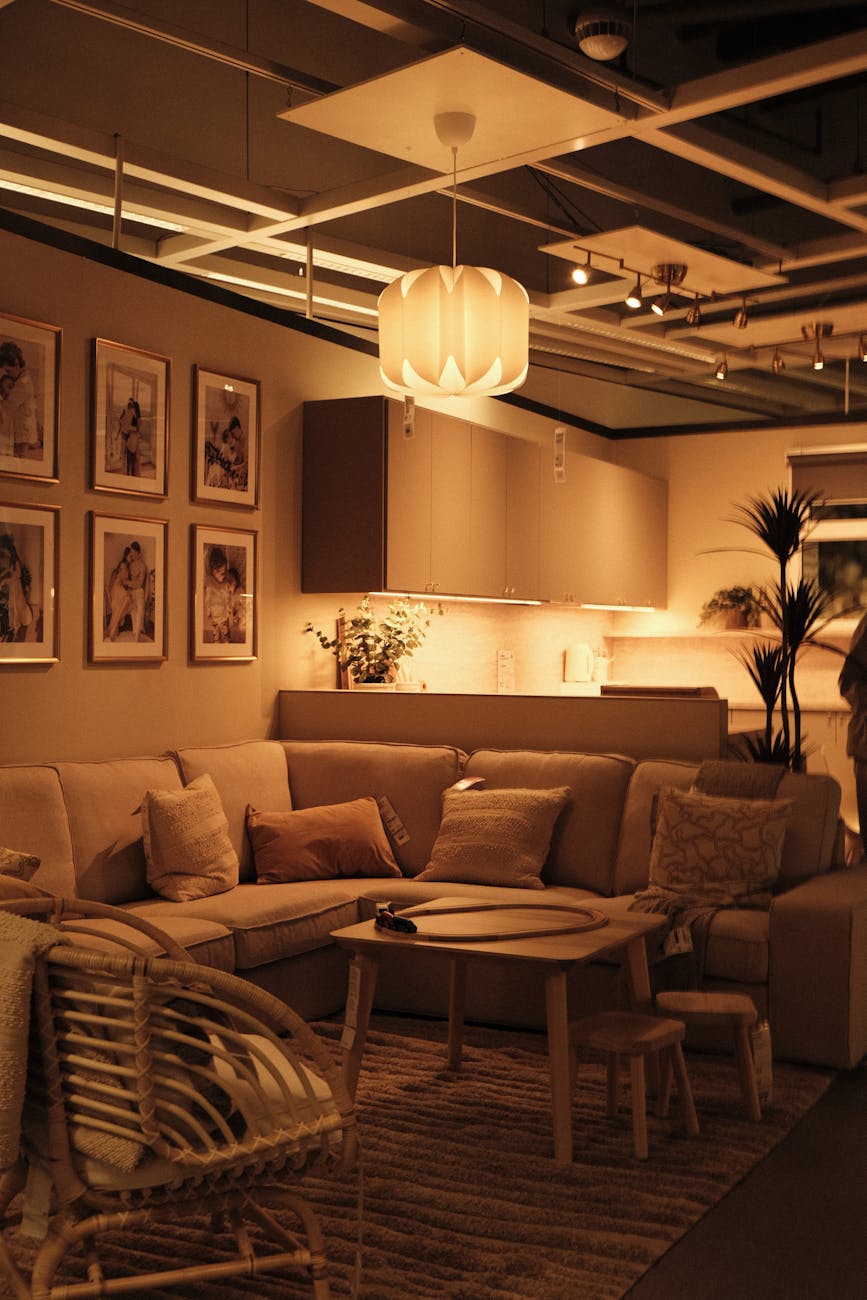
Mastering Light Dynamics for Atmospheric Control
The objective when designing a living space transcends mere illumination; we are engineering an emotional response through light manipulation. Achieving that sought-after cozy feeling in a living room hinges entirely on understanding how different light sources interact, and how we can intentionally layer them. Ambient lighting living room is not just about turning lights on; it involves controlling the spectral quality and intensity across various zones to guide perception. We observe from the data that monolithic, single-source lighting fails to generate depth or warmth effectively. True ambiance arises from the strategic placement of light layers that mimic natural transitions throughout the diurnal cycle.
The Science Behind Color Temperature and Luminance
Color temperature, measured in Kelvin (K), dictates the perceived warmth or coolness of a light source. Warm light, typically below 3000K, stimulates melatonin production, signaling relaxation and comfort. Conversely, cooler tones above 4000K promote alertness, which is counterproductive for unwinding in a living space. When we layer lighting, we are essentially modulating the environmental cues our visual system receives. A successful setup requires managing these spectral shifts deliberately.
We see distinct effects when juxtaposing light sources. Placing a bright, cool overhead fixture directly against soft, warm accent lamps creates visual dissonance that disrupts relaxation. To achieve cohesion, the ambient lighting living room must operate on a consistent thermal plane across all visible surfaces. This consistency allows the eye to settle into the desired state of ease rather than constantly processing conflicting signals.
Layering Techniques: Building Depth with Light
Effective layering moves beyond simple illumination; it establishes spatial hierarchies within the room. We decompose the light experience into three primary layers: ambient, task, and accent lighting. Each layer serves a distinct functional role in establishing the desired mood.
The ambient layer forms the foundational glow. This is where indirect light sources—like hidden LED strips or dimmable floor lamps—provide the overall wash of light that defines the room’s baseline atmosphere. It sets the overarching psychological tone. Task lighting targets specific activities, such as reading on a sofa or working at a side table. Accent lighting draws attention to architectural features, textiles, or decorative objects, adding focal points and textural richness.
In practice, successful integration means ensuring these layers communicate coherently. For example, if you are incorporating tactile elements into your design, such as the rich textures found in textiles, the accent lighting should deliberately graze those surfaces, emphasizing their depth and materiality. Consider how light interacts with materials; a soft glow across a heavily textured rug enhances its perceived softness, while harsh light flattens the surface detail.
Selecting Spectral Temperatures for Comfort
The choice of Kelvin level is critical when defining the mood. For deep relaxation in a living room setting, temperatures in the 2700K to 3000K range are generally optimal. This warm spectrum mimics firelight and candlelight, promoting physiological calm. However, this selection must be balanced against functional requirements.
Task areas, like a reading nook, benefit from slightly higher intensity but should remain within the warm spectrum. If you require more focus for detailed work, shifting to 3500K can increase visual acuity without inducing excessive alertness. The key is modulation. Smart dimmers allow us to adjust these parameters dynamically throughout the evening, moving seamlessly between a bright, functional daytime setting and a deeply saturated, restful nighttime scenario. We learn that this dynamic control is what elevates simple illumination into sophisticated ambiance management.
Integrating Texture and Light for Sensory Richness
The visual effect of light amplifies the tactile experience of the space. When designing an environment focused on coziness, we must account for how light interacts with physical surfaces. Consider incorporating elements like DIY Macrame Wall Hangings: Create Cozy Boho Decor. These textural pieces absorb and diffuse light in complex ways; their shadows are softer, and they introduce pockets of modulated illumination that enhance intimacy.
When you focus your ambient lighting living room on a textured wall or a woven piece, the interplay between shadow and highlight reveals the depth inherent in the material. This interaction transforms flat surfaces into rich visual fields. Similarly, when focusing on sensory comfort, think about incorporating tactile elements throughout the space. For instance, exploring curated comfort in areas like a cozy home office with tactile textures demonstrates how surface quality affects engagement. The light must be utilized to draw attention to these subtle physical qualities rather than washing them out.
Controlling Intensity for True Ambiance
Luminance, measured in lux, dictates the perceived brightness of the space. Overly bright illumination diminishes the cozy effect regardless of color temperature. We observe that high luminance levels trigger a state of alertness, which directly opposes the goal of creating a relaxing atmosphere. Therefore, controlling intensity through dimming mechanisms is as vital as selecting the right color.
We should aim for lower overall lux levels during evening hours. This forces the visual field to contract into the illuminated zones, naturally encouraging introspection and reducing sensory overload. Use dimmer switches liberally across all lighting layers. When setting the scene, we are not just adding light; we are sculpting shadows and defining pools of warmth where comfort resides. The subtle variations in intensity between a floor lamp and a table light create visual interest, preventing the space from feeling uniformly lit and sterile.
Practical Application: Designing Your Light Scheme
Developing a coherent plan requires mapping out the flow of light across the room based on function. Start by identifying the primary focal points—perhaps a fireplace, a large piece of art, or a comfortable seating arrangement. Then, define the supporting layers that will enhance these features.
For a typical living room setup, this means ensuring that no single source dominates. Implement dimmable sources at every level: overhead, table lamps, and perhaps even integrated strip lighting behind furniture for subtle backlighting. When positioning these fixtures, ensure they direct light downward or indirectly across surfaces rather than shining directly into the viewer’s eyes. This indirect illumination is the mechanism by which coziness is physically manifested in the environment. The resulting ambient lighting living room becomes an intentional, enveloping experience, a carefully calibrated sensory environment designed for deep relaxation and connection.
Tags: ambient lighting, cozy decor, living room design, home atmosphere, warm lighting, interior design, lighting tips
Featured Image by Oliver Atherton on Pexels.