
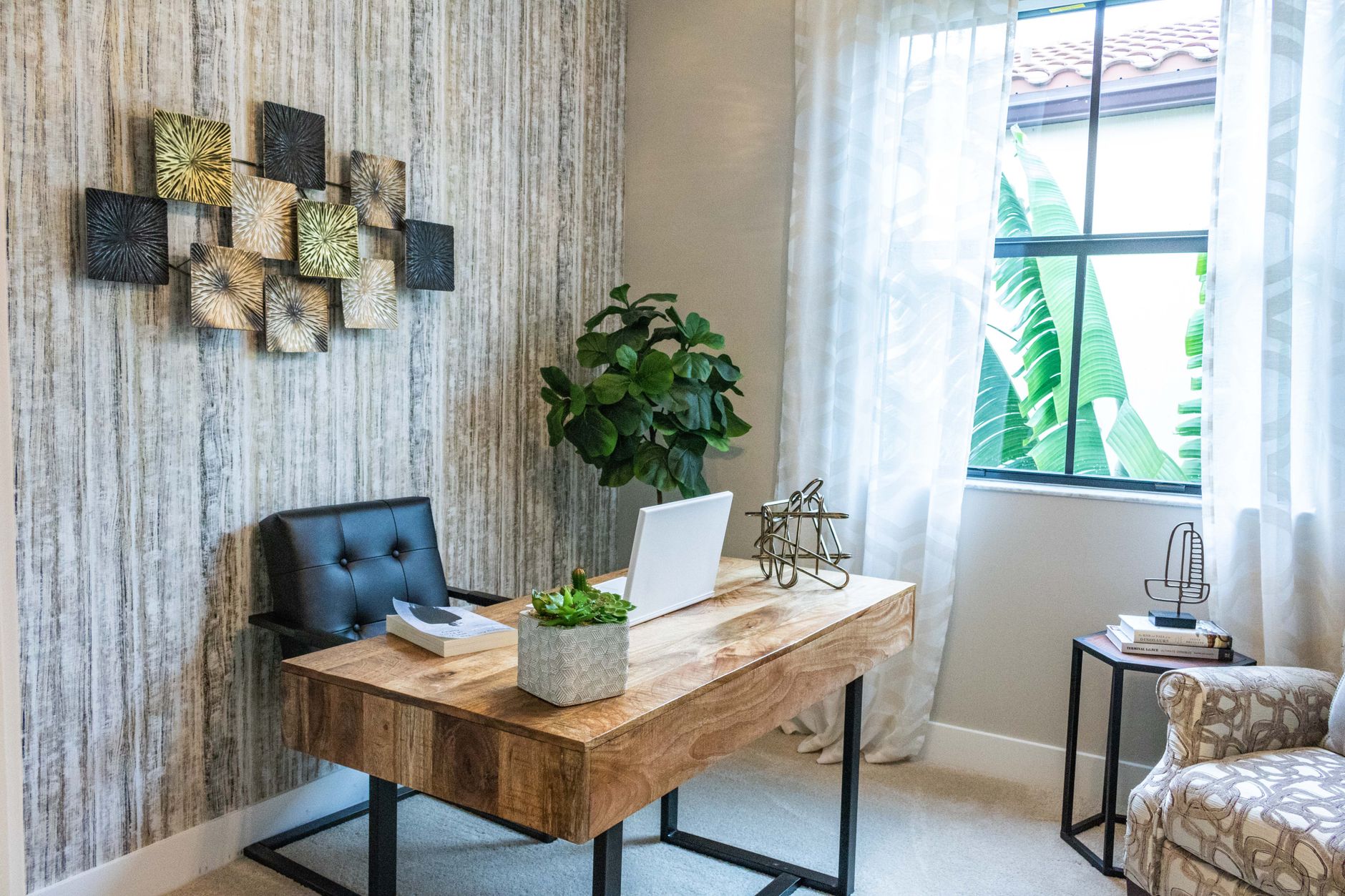
Engineering Comfort: Blueprinting Your Cozy Home Office Design
The modern necessity of a dedicated workspace often collides with the desire for domestic serenity. We observe a clear tension between the demand for focused productivity and the human need for tactile, enveloping comfort. Creating an effective home office nook requires balancing these opposing forces. The goal is not simply to place a desk in a corner; it is about engineering a micro-environment where cognitive function thrives alongside physical ease. This process demands a deliberate approach to spatial dynamics, material science, and ergonomic principles.
Optimizing Spatial Geometry for Focus
The dimensions of the space directly influence its perceived function. Small spaces do not inherently limit potential; rather, they mandate extreme efficiency in design execution. We must analyze how light interacts with these boundaries and how furniture placement dictates workflow pathways. A poorly situated nook introduces visual clutter that taxes the mind before any task even begins. Think about the flow: where does the eye naturally travel when entering this space?
We find that maximizing vertical space is a critical strategy in compact environments. Shelving systems, strategically positioned, pull visual weight upward, preventing the area from feeling cramped and heavy. This manipulation of perceived volume allows the functional elements—the desk, the chair, the storage—to operate with necessary breathing room. We are designing zones, not just placing objects. The transition between the main living area and this dedicated workspace must be seamless yet clearly demarcated.
Material Selection: The Tactile Foundation of Coziness
The aesthetic quality of a cozy home office design is intrinsically linked to the materials we employ. Surfaces interact with our sensory input constantly; they modulate mood and concentration. Hard, cold surfaces tend to induce a sense of detachment, whereas soft textiles invite lingering and relaxation. In practice, introducing varied textures prevents visual monotony and enhances the feeling of sanctuary.
Consider the application of textiles within your nook. Mixing materials is not merely decorative; it’s a mechanism for psychological comfort. When you select fabrics, you are selecting how your body will physically interact with the space throughout the day. Observing research on sensory engagement suggests that incorporating varying tactile experiences reduces perceived stress levels significantly. For instance, layering a chunky knit throw over a smooth wooden surface introduces depth and invitation. Exploring options like Textural Treasures: Mixing Fabrics for Ultimate Cozy Comfort (https://decorandliving.com/mix-match-fabrics-cozy-comfort/) demonstrates how these material interactions create an enveloping atmosphere conducive to deep work or thoughtful reading.
Ergonomic Integration: Function Meets Form
A cozy space must never compromise the biomechanical integrity required for sustained activity. This is where ergonomic principles transition from abstract concepts to concrete design specifications. The chair, desk height, and monitor placement are not optional; they are foundational to productivity and long-term physical health. An improperly adjusted setup forces compensatory muscle action, leading to fatigue and eventual discomfort, regardless of how aesthetically pleasing the surroundings might be.
We must assess the relationship between the user’s body mechanics and the furniture’s geometry. Proper posture requires that elbows rest at a right angle, wrists remain neutral, and the monitor screen is positioned to minimize neck flexion. This involves calculating reach distances and ensuring adequate support for the lumbar region. When designing your ergonomic nest, consider how you will adjust these elements throughout the workday. The ability to transition seamlessly between focused work and relaxed contemplation depends entirely on this physical accommodation.
Lighting as an Atmospheric Regulator
The quality of illumination fundamentally alters the perceived coziness of any design. Harsh, direct overhead lighting mimics an interrogation room, inhibiting relaxation. Effective home office design leverages layered lighting to create specific moods for different activities. This layering involves ambient light, task lighting, and accent lighting.
Ambient light sets the overall tone; perhaps a warm-toned bulb in the evening signals rest. Task lighting focuses energy where it is needed most, illuminating the workspace without causing glare on screens. Accent lighting highlights textural elements or decorative objects, drawing attention to the intentional design choices. Manipulating the color temperature—shifting from cool daylight tones during peak work hours to warmer amber tones during downtime—allows the environment to actively support the mental state required by the task at hand.
Curating Personal Vignettes for Deep Engagement
The final layer of cozyness involves infusing the space with personal meaning. A home office nook becomes a true retreat when it reflects the individual’s interests and personal history. This is achieved through thoughtful curation rather than mass-produced decoration. We are looking for items that serve a dual purpose: aesthetic appeal and functional relevance.
Displaying meaningful objects provides cognitive anchors, reducing the feeling of being adrift in a generic space. Perhaps incorporating elements inspired by nature can enhance this connection. Exploring themes like Winter Wonderland Decor: DIY Icy Frosty Ambiance (https://decorandliving.com/winter-wonderland-decor-diy/) illustrates how thematic decoration can introduce specific moods and visual narratives into a small area. These vignettes serve as focal points that engage the senses intentionally. The intention behind each placed item determines whether the space feels merely decorated or truly personalized.
Storage Solutions: Taming the Clutter Mechanism
Clutter is the antithesis of coziness and productivity; it creates unnecessary cognitive load. Therefore, effective storage mechanisms must be integrated into the design structure, not merely appended to it. The strategy involves utilizing every available cubic inch by employing concealed or multi-functional storage. Drawers, vertical shelving units, and built-in cabinetry are superior to freestanding storage when optimizing space.
We need systems that manage both visible and hidden items efficiently. Think about vertical file organizers or narrow shelving units that maximize access while minimizing footprint. When designing the ergonomic nest, ensure that necessary supplies are stored within easy reach but remain out of sight during focused periods. This organizational discipline ensures that the aesthetic warmth does not mask underlying disorganization. The space must function as a sanctuary for concentration, not a repository for miscellaneous items.
By systematically applying principles of spatial geometry, material science, ergonomic alignment, and layered lighting, we move beyond simple decoration. We engage in the intentional engineering of an environment. This results in a cozy home office design that is inherently productive, physically supportive, and deeply restorative.
Tags: home office design, cozy decor, ergonomic workspace, small space design, home office ideas, cozy home office design, workspace inspiration
Featured Image by Barion McQueen on Pexels.