
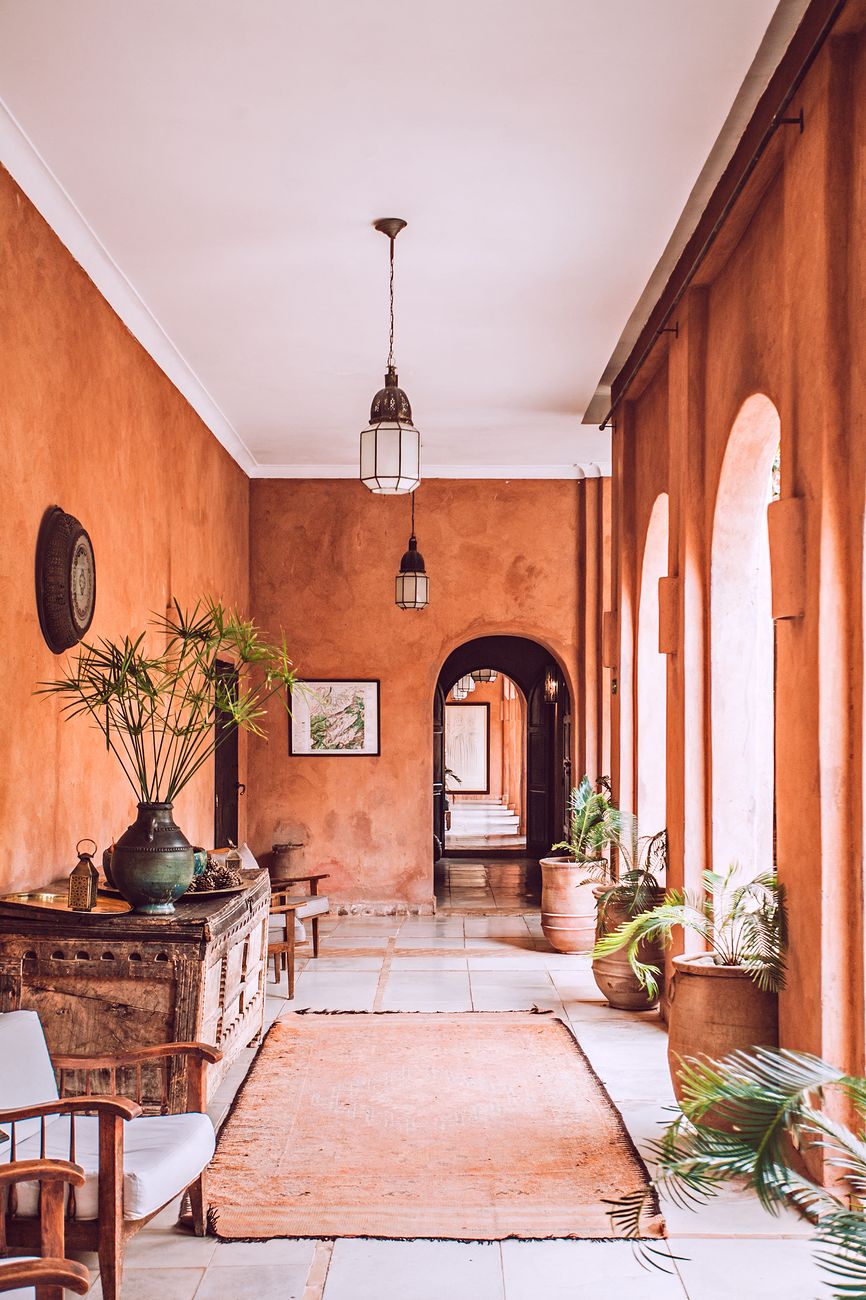
The Psychological Impact of Earthen Tones on Interior Ambiance
We observe a distinct psychological response when we introduce specific chromatic palettes into our living spaces. The use of deep, warm hues like terracotta and rust is not merely an aesthetic choice; it engages primal sensory pathways that directly influence mood regulation. These colors carry inherent associations rooted in the earth itself, prompting a sense of grounding and historical connection. When designing a space with this color scheme, we are essentially manipulating the ambient emotional tone.
The mechanism at play involves the perception of warmth. Red-orange tones inherently stimulate physiological responses linked to comfort and vitality. In an indoor environment, this translates into a palpable feeling of warmth, counteracting the coolness often associated with modern, stark architectural materials. This effect is amplified when these colors interact with natural light; sunlight filtering through terracotta-toned walls casts a rich, amber glow that softens harsh shadows. We are not just seeing a wall color; we are experiencing an environmental shift.
Deconstructing the Terracotta Color Scheme
The appeal of the **terracotta color scheme** stems from its complex textural resonance. Unlike flat, synthetic colors, terracotta possesses an organic depth, suggesting the texture of baked earth and natural clay. This inherent visual complexity prevents the space from feeling sterile or overly simplistic. We see this effect most strongly when pairing it with complementary materials—raw wood, woven fibers, and matte finishes—which allow the earthy tones to absorb and reflect light in a nuanced way.
Consider the implications for spatial perception. Darker, warmer tones tend to recede slightly, creating an enveloping effect, which is precisely what fosters coziness. This creates visual enclosure, inviting occupants to settle in rather than viewing the space as an open expanse. We are engineering an atmosphere of retreat. Conversely, lighter neutrals paired with these deep accents create a deliberate contrast that heightens the richness of the terracotta, making the warmth feel more intentional and luxurious.
Materiality and Texture: The Tactile Layer of Rustic Coziness
A color palette alone cannot achieve true rustic coziness; it requires the integration of tactile elements. The success of the terracotta and rust theme hinges on the physical interaction between the surfaces we touch and the light we perceive. We must move beyond superficial application and examine material science in interior design.
The introduction of natural materials addresses the experiential component of our environment. Rough-hewn wood grain, the uneven surface of handmade pottery, and the coarse weave of wool all contribute to a tactile narrative. These surfaces absorb sound differently than smooth plastics or polished surfaces; they introduce an acoustic warmth that contributes significantly to the feeling of sanctuary within a room.
Integrating Natural Textures for Depth
When selecting furnishings, prioritize materials with visible texture. A sofa upholstered in a thick, nubby linen or a chunky knit wool immediately elevates the atmosphere above smooth synthetics. This tactile engagement signals comfort and invites physical interaction. We observe that this sensory feedback anchors the visual experience. For instance, layering textiles is a potent way to achieve this effect. Layering textiles for a cozy home office utilizes varying weights and weaves to create dynamic zones of comfort within a single area.
This principle extends across the entire decor scheme. Think about the interplay between matte terracotta paint and the soft nap of an aged velvet throw. This juxtaposition of hard, earthy color with soft, inviting texture generates visual tension that resolves into deep contentment. We are creating layers of experience for the occupant to navigate.
Designing Spaces for Rest and Reflection
The objective in employing this earth-toned scheme is to establish a retreat—a corner where the stresses of the external environment diminish. This requires intentional arrangement of elements, focusing on functionality married with feeling. The goal is to design spaces that encourage decompression rather than stimulation.
We must consider how these colors interact with spatial organization. When space feels cluttered, the visual noise increases anxiety. Therefore, integrating smart storage solutions becomes a critical component of cultivating this calm environment. Vertical Magic: Storage & Ambiance in Tiny Living Rooms demonstrates how optimizing vertical space minimizes visual clutter, allowing the rich color scheme to breathe without feeling heavy or oppressive.
The Role of Intentional Furnishing
Furniture placement dictates flow and mood. Heavy, grounded pieces, often featuring rich wood tones that complement rust and terracotta, establish a sense of stability. Positioning seating to face warm focal points—like a stone fireplace or a richly colored wall—directs the viewer’s attention inward, fostering reflection. The arrangement should facilitate slow movement, encouraging occupants to linger rather than rush through the space.
This intentional furnishing process requires an understanding of scale. Oversized, deeply upholstered pieces reinforce the feeling of enveloping comfort. They act as physical anchors in the room, reinforcing the psychological sense of security derived from the earth tones. We see that large forms, when clad in these warm hues, become centers of gravity for cozy corners.
Achieving Cohesion Through Complementary Accents
A monochromatic approach using only terracotta and rust can risk feeling heavy if not managed carefully. True sophisticated coziness emerges when these primary colors are supported by carefully selected secondary accents that introduce necessary contrast and life. This involves balancing the intensity of the earth tones with lighter, crisp elements.
Introducing touches of muted sage green or creamy off-whites serves to modulate the visual weight. These lighter elements prevent the space from descending into an overly somber or cave-like atmosphere. They act as visual breathing room, allowing the deep warmth of the terracotta to express itself without overwhelming the occupant’s visual field. The contrast sharpens the definition between the warm backdrop and the lighter foreground objects.
The interplay with metals also plays a significant role in finalizing this effect. Brushed brass or aged bronze introduces reflective warmth that harmonizes perfectly with the iron-rich tones of rust. These metallic accents catch the ambient light, adding a subtle shimmer that elevates the rustic feel into something more refined and inviting. We observe that polished or antiqued metals bridge the gap between raw earthiness and curated elegance.
When integrating accessories, select pieces that echo the natural, handcrafted ethos established by the color scheme. Ceramic vases, woven baskets, and handmade textiles reinforce the connection to organic materiality. This consistency across all elements—from paint selection to throw pillows—ensures the entire environment functions as a cohesive system designed purely for deep, rustic comfort. The resulting space is not just decorated; it is experienced as an immersive, warm sanctuary.
Tags: terracotta decor, rust home decor, earthy colors, rustic style, cozy home, warm tones, interior design
Featured Image by Maria Orlova on Pexels.