
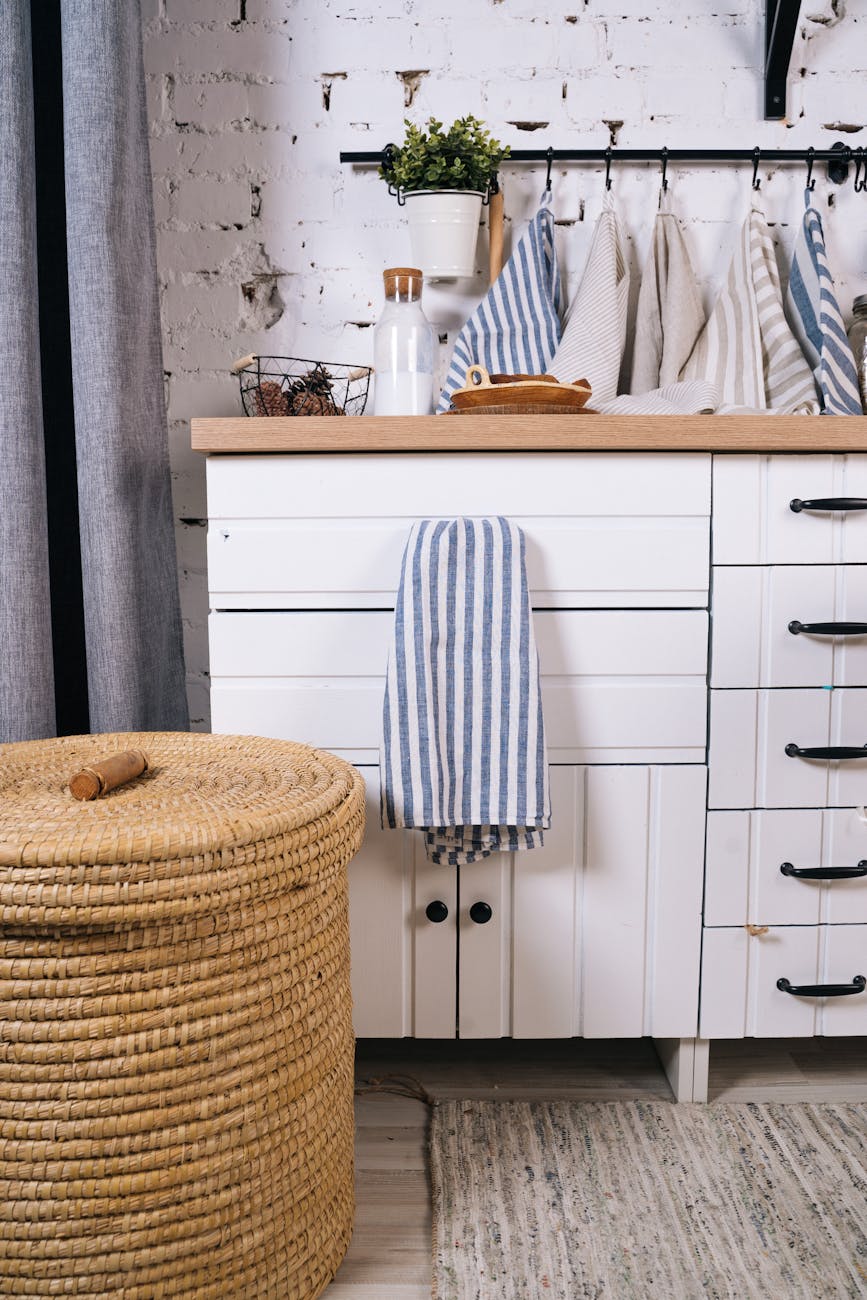
Maximizing Space: Strategic Approaches to Cozy Kitchen Storage
The kitchen functions as the epicenter of the home; it is where daily routines converge, demanding a storage system that is both highly functional and deeply inviting. We observe from the data that cluttered countertops introduce visual noise, actively impeding the feeling of coziness we strive for. Effective **cozy kitchen storage** is not merely about hiding things away; it is about engineering a flow where necessary items are accessible while the overall aesthetic remains warm and uncluttered. This requires moving beyond simple drawer organization and considering the spatial relationships within the workspace itself.
Analyzing Kitchen Clutter: Identifying Storage Deficits
When we assess a kitchen space, we look for specific friction points. Countertops accumulate tools, ingredients, and appliances that do not belong in that immediate visual field. This visual overload directly counteracts the desired atmosphere of hygge, which relies on a sense of calm and intentionality. We need to analyze where items are currently stored versus where their utility demands them to be placed. A common oversight involves relying solely on vertical space without optimizing horizontal capacity or utilizing hidden storage mechanisms.
We see that traditional cabinetry often presents an underutilized potential. Drawers, when not properly subdivided or equipped with internal dividers, default to chaotic layering of mismatched containers. This inefficiency forces users to search, creating stress rather than comfort. The mechanism we need to employ is compartmentalization—creating defined zones for specific item types. For instance, grouping spice jars, utensils, and small gadgets into dedicated, accessible modules significantly reduces cognitive load during meal preparation.
Implementing Layered Solutions for Functional Warmth
Achieving **cozy kitchen storage** involves integrating functional systems seamlessly with aesthetic choices. The materials selected play a critical role in establishing the desired warmth; natural woods, matte ceramics, and woven textures absorb light differently than high-gloss plastics do. Our analysis suggests that introducing tactile elements enhances the perceived coziness of the environment substantially.
Cabinetry Optimization: Beyond Basic Shelving
Standard upper and lower cabinets often suffer from poor accessibility, forcing users to reach deep into the storage space. We can engineer better access by installing pull-out systems or specialized shelving inserts. For deeper cabinets, rolling drawers or tiered risers allow items to be viewed instantly without full extraction. This mechanical adjustment changes how we interact with the stored objects; it shifts interaction from a physical search to an intuitive retrieval.
When designing storage within cabinetry, consider the use of custom inserts for frequently used items. A wooden tray inserted into a cabinet section not only provides separation but also introduces organic texture, immediately elevating the visual warmth. This technique transforms utilitarian spaces into curated displays. We must prioritize the flow between these elements; the transition from functional storage to decorative display should feel intentional and harmonious.
Utilizing Vertical Space Strategically
Vertical space is abundant in kitchen environments, yet it is often wasted. Hanging systems offer an immediate solution for items that require frequent access but occupy minimal volume, such as pots, pans, or frequently used utensils. Magnetic strips installed on the backsplash provide a clean surface for tools, eliminating the need for bulky utensil holders that jut into the workspace.
We observe that wall-mounted racks allow us to reclaim valuable counter space entirely. By moving items off the horizontal plane and onto the vertical plane, we create visual breathing room. This process reduces the sense of being overwhelmed by physical volume. Think about how this concept parallels creating a serene sanctuary elsewhere; the principle is the same—optimizing spatial reality for comfort. For instance, when designing a **Spa Bathroom Decor: Create Your Serene Sanctuary**, attention is paid to verticality and open space to promote tranquility.
Rethinking Countertop Management
The countertop remains the primary interface between cooking activity and storage demands. Keeping this surface clear is fundamental to maintaining a feeling of calm in the kitchen. We need systems that integrate storage without creating visual barriers.
Drawer and Container Systems: Defining Boundaries
For items stored in drawers, the focus must shift to density and containment. Utilizing stackable, airtight containers made from materials like matte ceramic or natural wood creates defined blocks of organization. This prevents the visual scattering of small ingredients or gadgets. We are not just storing objects; we are segmenting the kitchen into functional zones.
When selecting these containers, their aesthetic impact is crucial for achieving **cozy kitchen storage**. Transparent acrylic systems can offer visibility but often sacrifice tactile warmth. Therefore, prioritizing opaque, richly toned materials allows the storage itself to contribute positively to the room’s atmosphere. This deliberate choice moves the system from merely organizational to inherently decorative.
Integrating Atmosphere: The Hygge Effect in Kitchen Design
The ultimate goal of effective **cozy kitchen storage** is to weave functionality into a comfortable, lived-in aesthetic. This requires understanding the principles behind creating a hygge environment and applying them to the functional space of the kitchen. Hygge emphasizes comfort, intimacy, and the appreciation of simple, handcrafted elements.
We apply this philosophy by selecting materials that invite touch and visual softness. Integrating woven baskets for storing linens or bulk pantry items introduces organic texture where hard plastic bins would create a cold barrier. These natural textures soften the utilitarian reality of storage. The light filtering through these textured objects changes the ambiance instantly.
When implementing large-scale organization, we must think about the overall narrative of the space. Does the system feel like an imposed structure, or does it feel like an organic extension of the design? The right storage solution should disappear into the décor, serving its purpose silently. This requires a deep understanding of how texture interacts with light across different surfaces.
By employing these layered strategies—optimizing vertical volume, segmenting horizontal space, and selecting tactile materials—we move beyond simple decluttering. We are engineering an environment where daily tasks are manageable, and the atmosphere remains profoundly warm and inviting. This careful calibration is what transforms a functional kitchen into a genuinely cozy home hub.
Tags: kitchen organization, cozy home decor, kitchen storage, cozy living, home organization, kitchen design, storage solutions
Featured Image by Tima Miroshnichenko on Pexels.