
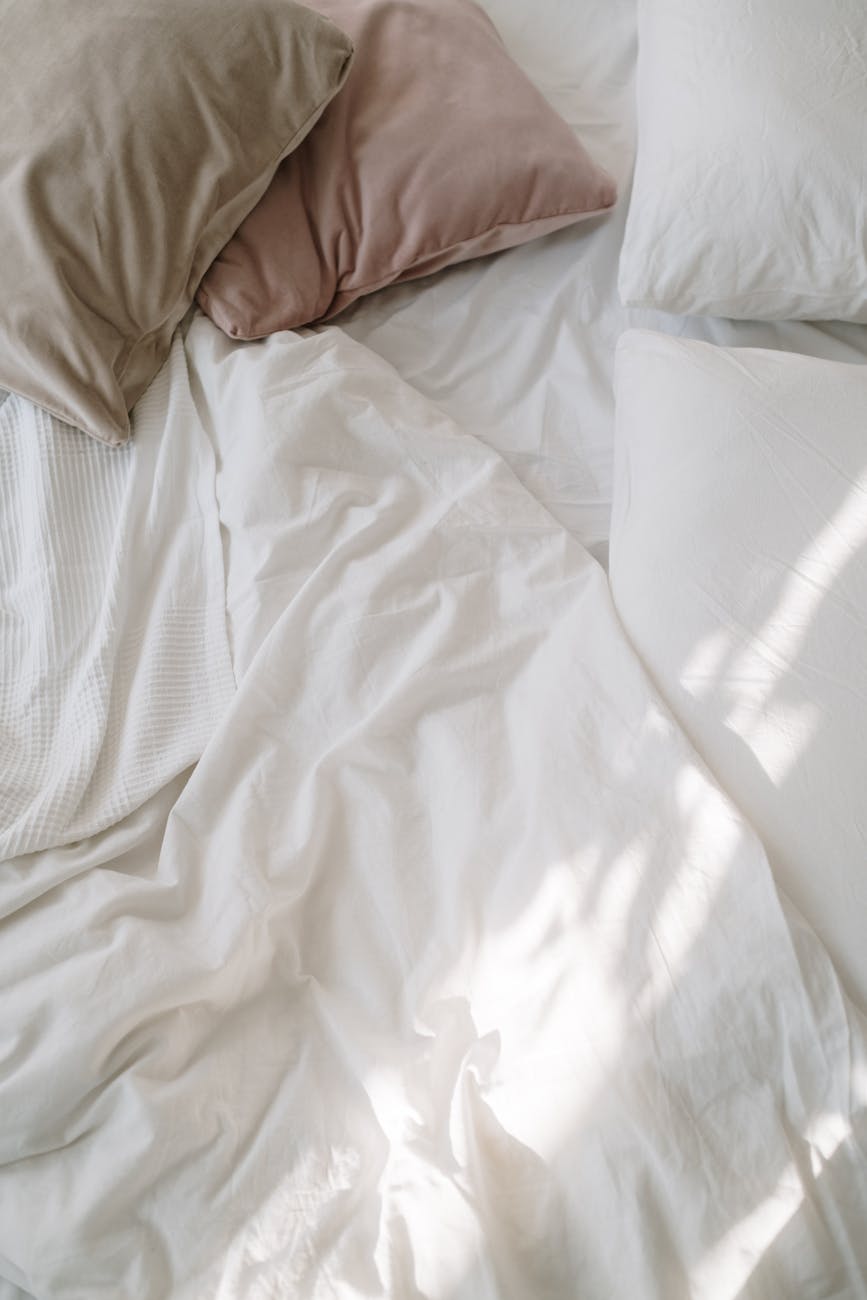
The Physics of Comfort: Deconstructing Bedding Materials
When we consider creating a truly restorative sleep environment, the focus must shift from mere aesthetics to material science. Your bedroom textiles are not just coverings; they are active components in your sleep physiology and overall sensory experience. We observe that the choice of **bedding materials bedroom** dictates thermal regulation, air circulation, and tactile feedback, directly influencing deep sleep cycles and perceived comfort. Understanding this relationship moves us beyond simple preference into applied textile therapy.
Thermal Regulation: How Fabrics Manage Your Body Temperature
The most critical function of bedding is managing the body’s thermal equilibrium throughout the night. Our bodies naturally seek a cool environment to initiate and maintain deep sleep; any disruption in this process leads to temperature dysregulation, which fragments restorative sleep. Different fibers interact with heat and moisture through fundamentally different mechanisms.
Natural fibers, such as cotton, possess excellent hygroscopic properties. This means they effectively absorb and release moisture vapor, creating a microclimate around the sleeper that promotes evaporative cooling when the air circulates. Cotton’s structure allows for significant air permeability, which is essential for preventing heat buildup. Conversely, synthetic materials, like polyester, exhibit different thermal behaviors. They possess lower moisture absorption rates but offer superior wicking capabilities in moving moisture away from the skin, often leading to a feeling of coolness on contact.
We see that the weight and weave density also play an observable role. A densely woven wool blanket traps air, creating an insulating layer that effectively resists convective heat loss; this mechanism is why wool excels in cold environments. Conversely, lighter, looser weaves allow for greater airflow, which is beneficial when the goal is to dissipate heat efficiently rather than trap it. This interplay between insulation and breathability dictates whether the room feels cozy or stifling.
Moisture Management and Sleep Quality
The management of perspiration is another critical factor that bedding materials influence. As we sleep, our bodies release heat and moisture; effective material selection ensures this moisture is managed appropriately to prevent clamminess or excessive chilling.
Fibers that wick moisture effectively accelerate the evaporation process away from the skin surface. This action reduces the dampness that can impede the body’s natural cooling mechanisms, allowing the body temperature to remain stable within the optimal range for sleep architecture. For instance, high-quality bamboo and certain specialized blends demonstrate superior moisture management capabilities compared to less permeable materials. We find that when moisture is managed efficiently, the body transitions more smoothly into the restorative stages of sleep.
Tactile Experience and Sensory Input
Comfort extends beyond mere temperature; it involves the sensory input received through touch. The texture of your bedding directly communicates information to the nervous system, which profoundly impacts relaxation pathways. Our skin registers surface texture, thread count density, and material softness as direct signals regarding safety and comfort.
The concept of textile therapy is rooted in this sensory feedback loop. A high thread count, for example, correlates with a perceived sense of luxury, but the actual tactile sensation depends entirely on the fiber’s micron structure and yarn thickness. Softness is not an abstract quality; it relates to the density of the yarn fibers engaging with the skin surface. When materials possess a smooth, unbroken surface, they reduce friction points that can cause irritation or restlessness during extended sleep periods. This physical reassurance helps signal safety to the brain, facilitating deeper relaxation.
Analyzing Fiber Choices for Specific Environments
The appropriate selection of bedding materials changes based on the ambient conditions of the space and the desired sleeping experience. We must analyze the environment before selecting the fabric composition.
For environments prone to fluctuating temperatures or those requiring high levels of thermal insulation, natural fibers like heavy-weight wool offer superior bulk and inherent insulating capacity. These materials provide a dense barrier against external temperature variations. In contrast, for warmer climates or settings where airflow is prioritized over heavy insulation, breathable cotton weaves maintain an optimal balance of coverage and ventilation.
When assessing synthetic options, we examine their specific properties regarding breathability. While polyester offers excellent durability and resistance to wrinkling, its thermal performance requires careful consideration alongside its moisture-wicking characteristics relative to natural alternatives. Research suggests that the blend ratio matters significantly; combining materials allows us to engineer a product that optimizes multiple functions simultaneously—insulation, breathability, and moisture control.
The Role of Layering in Achieving Optimal Coziness
Creating an environment of deep coziness requires more than just selecting the right fabric; it involves strategic layering. This strategy acknowledges that comfort is achieved through multi-sensory engagement. One might select a cooling sheet material for superior temperature regulation, layer a breathable cotton duvet for general comfort, and top it with a weighted blanket for deep tactile security.
This layered approach mimics the way we naturally adapt to changing conditions. It allows for fine-tuning of sensory input. Think about how light interacts with textiles; layering materials affects how light is diffused across the space. This holistic approach connects directly to broader concepts of creating an enveloping, intentional space, much like embracing the principles found in The Art of Hygge: Simple Ways to Create Cozy Home Vibes.
Moving Beyond Surface Level Aesthetics
The science behind bedding extends into the realm of sleep architecture itself. Poor material choices can introduce physical irritants or thermal imbalances that actively disrupt the transition from wakefulness to deep rest. We are not just dressing for appearance; we are engineering a physiological experience.
When investigating materials, we must look at the lifecycle and potential for skin interaction. Natural fibers generally offer superior biocompatibility, minimizing the risk of dermatological issues associated with prolonged skin contact during sleep. The integrity of the material directly influences the body’s ability to enter restorative states. Understanding how these physical properties translate into psychological ease is the ultimate goal of this textile exploration.
Practical Application: Lighting and Atmosphere
The sensory experience of a bedroom is amplified by environmental factors beyond the textiles themselves. The quality of light profoundly affects circadian rhythms, which in turn dictates sleep depth. We see that optimizing the visual environment complements the tactile comfort provided by the **bedding materials bedroom**. For example, implementing layered lighting allows for subtle shifts in atmosphere throughout the night, moving from bright functional illumination to soft, warm tones that signal rest. Exploring techniques like Beginner’s Guide to Layered Lighting for Cozy Homes demonstrates how environmental design integrates with material science to foster a truly therapeutic space. The synergy between physical comfort and visual calm establishes the ultimate environment for textile therapy to succeed.
Tags: bedding materials, bedroom textiles, fabric choices, sleep quality, home decor, bedroom comfort, textile therapy
Featured Image by cottonbro studio on Pexels.