
The Science of Sanctuary: Engineering Your Ideal Reading Nook
We often conceptualize a reading nook as merely a place to sit; we should view it as an intentional architectural intervention designed to maximize sensory comfort and cognitive focus. Creating this space requires understanding how environmental design modulates mood and attention. A well-executed reading nook decor is not just about aesthetics; it is about engineering a specific psychological state where relaxation and deep engagement are the default settings. We observe from the data that the physical parameters of a corner dictate the quality of the experience.
Determining Optimal Spatial Allocation
The first analytical step involves assessing the available real estate within your living room. A reading nook must occupy a space large enough to accommodate the necessary functional elements without feeling cramped or intrusive to the surrounding flow. We are aiming for an area that permits comfortable posture and allows for the strategic placement of essential items, such as a lamp and a side table. If the space is too small, the intended effect of coziness dissolves into spatial tension. Conversely, if it encroaches too heavily on primary traffic paths, the functional utility of the room diminishes entirely. Think about the geometry of the corner; angles that invite softer, more inward-facing seating promote introspection far better than sharp, imposing lines. We must calculate the necessary buffer zones to ensure the nook functions as a sanctuary rather than an obstacle.
Material Selection: The Tactile Feedback Loop
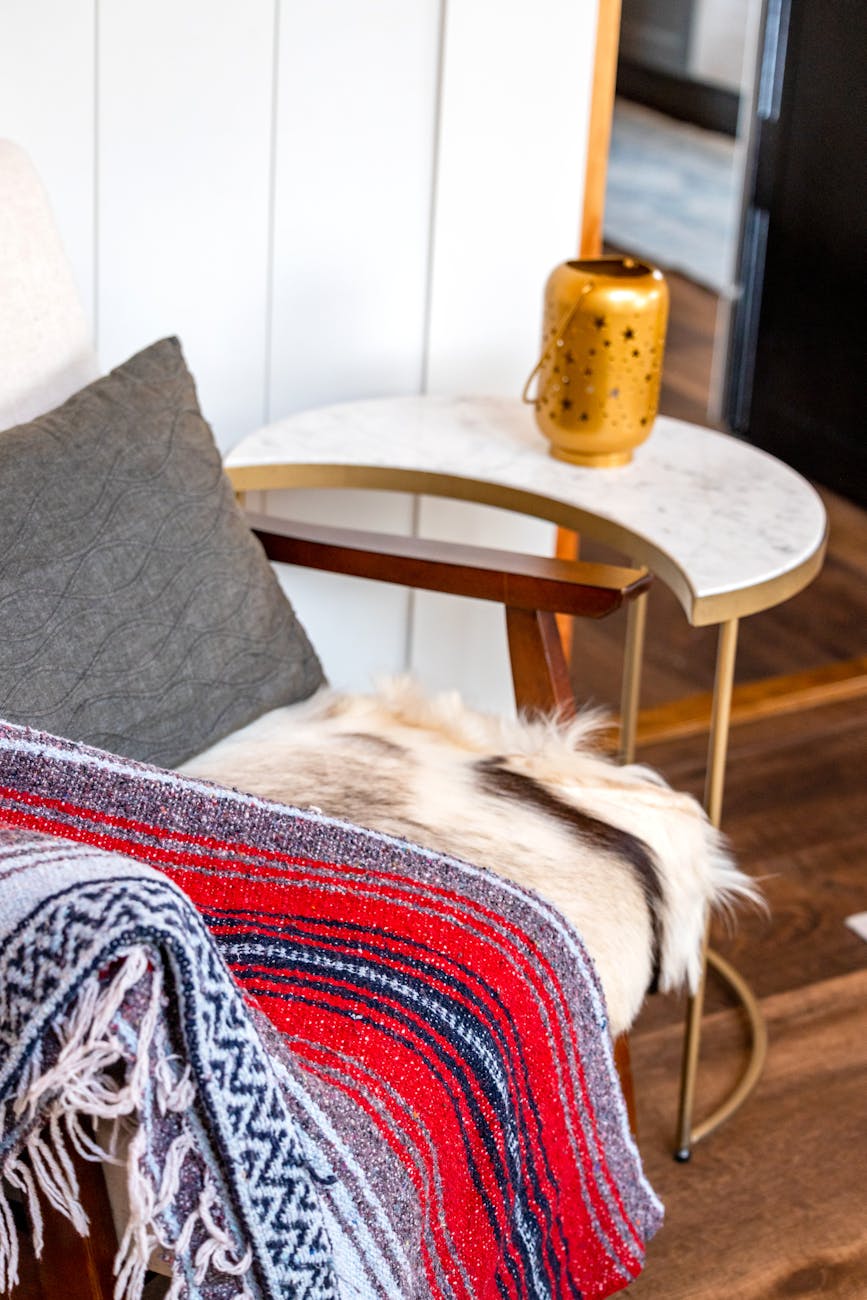
The tactile experience is perhaps the most potent mechanism for inducing coziness. Materials interact with the sense of touch in ways that visual stimuli alone cannot replicate. When selecting textiles, we are engaging the proprioceptive system directly. For instance, choosing a heavy knit wool throw over a slick synthetic fabric provides a distinct sensory signal of warmth and security. We see this principle repeatedly across interior design; the density and texture communicate palpable insulation against the external environment. Consider how layering fabrics influences perceived warmth. Layering velvets, chunky knits, and linen creates visual depth while simultaneously increasing the tactile richness. This layered approach moves beyond simple surface decoration into an immersive textural narrative. For a deeper dive into achieving this sensory effect, examine how different fabric weights influence ambiance by exploring [Layering Fabrics for Ultimate Cozy Ambiance](https://decorandliving.com/layered-textiles-cozy-ambiance/).
Illumination Strategies: Controlling the Light Spectrum
Lighting is not merely about visibility; it is a critical modulator of circadian rhythm and mood regulation. Harsh, direct overhead lighting actively inhibits relaxation. The ideal reading nook relies on warm color temperatures, ideally in the 2700K to 3000K range, which mimics natural, warm-toned light. You need localized, adjustable illumination that allows you to shift focus between reading and ambient repose without disrupting the entire room’s atmosphere. A floor lamp positioned beside the seating provides task lighting while casting a soft, enveloping glow across the immediate area. We observe that indirect lighting minimizes harsh shadows and encourages eye fatigue reduction during prolonged activity. This careful calibration of light intensity and color temperature directly influences cognitive engagement; dim, warm light signals safety to the brain.
Furnishing for Functionality and Flow
The furniture within the nook must serve a dual purpose: aesthetic appeal and ergonomic support. A comfortable chair is non-negotiable. It needs sufficient depth and supportive cushioning to allow sustained, relaxed posture. Avoid overly stiff or formal seating when designing a cozy corner. Instead, opt for oversized armchairs, deep window seats, or even floor cushions arranged artfully. The choice of seating dictates the intimacy level you can achieve. Once the primary piece is established, secondary elements—like a small side table or an overflowing bookshelf—must be situated to enhance usability without creating visual clutter. We must ensure that every object placed contributes positively to the contemplative atmosphere.
Integrating Sensory Details: Beyond Sight and Touch
To elevate the reading nook from functional space to true sanctuary, we introduce auditory and olfactory elements. Sound plays a subtle role in setting the tone. Ambient soundscapes, whether soft instrumental music or the gentle sounds of nature, can effectively mask distracting environmental noise. This sensory input helps isolate the reader into their chosen zone. Olfactory cues also possess profound memory-linking capabilities. Introducing subtle, calming scents—perhaps diffused essential oils like cedarwood or lavender—activates deeper emotional responses associated with comfort and tranquility. These subtle inputs work in concert to create an environment that engages multiple sensory channels simultaneously, deepening the feeling of immersion.
Curating Personal Artifacts
The final layer involves personalizing the space with artifacts that resonate with the user’s interests. This is where the reading nook becomes a genuine extension of the self. Displaying carefully selected books, meaningful photographs, or unique decorative objects establishes a narrative around the space. These curated items act as focal points, inviting personal reflection rather than passive observation. We are not just decorating walls; we are constructing a personalized experience matrix for leisure. This process transforms an empty corner into a deeply personal retreat, optimizing the environment for individual comfort and intellectual engagement. Designing this space requires balancing the functional necessities with the psychological desires of rest and contemplation.
Tags: reading nook decor, cozy living room, nook design, living room ideas, cozy decor, home design, reading space
Featured Image by Andrea Davis on Pexels.