
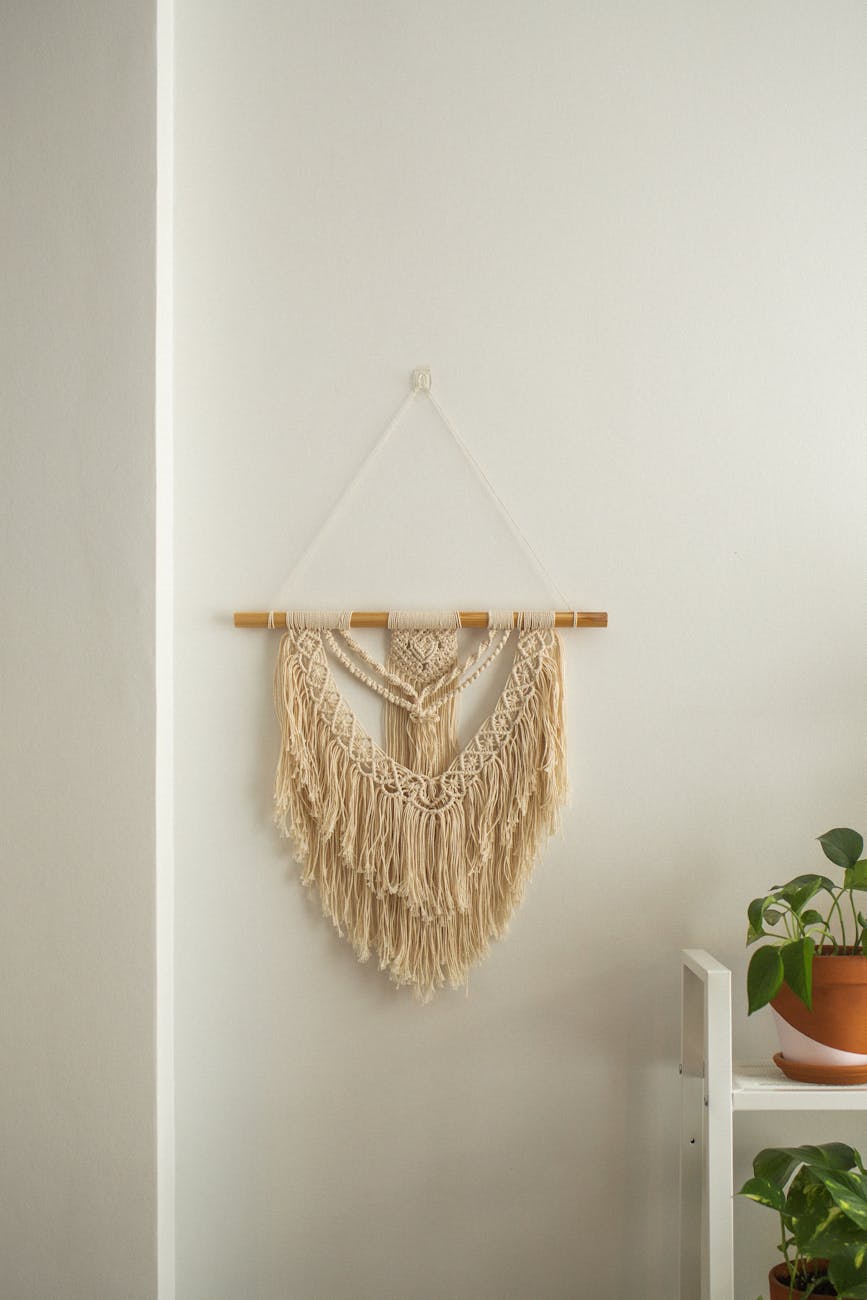
Deconstructing the Art of Macrame: Achieving Bohemian Texture
We examine the process of creating macrame wall hangings not merely as a craft but as a method for manipulating visual texture within an interior space. The resulting effect is a deliberate introduction of organic, tactile elements that directly counter the sterile flatness often found in modern architectural settings. When we approach this endeavor from an analytical standpoint, we see the construction as a system where tension, knotting density, and fiber choice dictate the final aesthetic outcome.
The appeal lies in the inherent complexity of the technique. It demands an understanding of how individual knots translate into macro-patterns. A poorly executed piece lacks the necessary visual rhythm; a skilled piece achieves an equilibrium between open space and dense material. This balance is crucial for evoking that desired sense of cozy, bohemian atmosphere we aim to cultivate in our homes.
Understanding the Mechanics of Knotting
The fundamental mechanism behind macrame relies entirely on tension management. You are not simply tying knots; you are establishing physical relationships between strands of cord. Observe how the way a knot is tied—whether it is a simple overhand or a more complex knot like a square knot or a half hitch—alters the drape and the perceived weight of the fabric. We observe that tighter, more consistent tension forces the fibers into denser groupings, creating shadow and depth, whereas looser tension allows the material to flow freely, emphasizing airiness.
When planning a wall hanging, one must consider the substrate material as well. The interaction between the textile and the wall surface dictates how the piece visually anchors itself. Rougher textures, like untreated wood or stucco, interact differently with the woven cords than smooth drywall. This interaction is where the tactile quality of the finished product truly manifests itself, influencing the overall perception of warmth in the room.
Selecting Materials for Optimal Texture
The choice of cord material significantly impacts the final aesthetic outcome. Natural fibers such as cotton or jute possess a unique character that absorbs light softly and introduces an undeniable organic texture. Jute, being coarser, lends itself to a more rustic, earthy bohemian look. Cotton offers a softer hand and a finer weave, allowing for intricate detailing. For projects demanding significant visual impact, exploring materials like thick rope or even natural twine can introduce substantial textural variation.
We must analyze the yarn gauge as another variable. Thicker cords create bolder lines and thicker visual bands, while thinner cords allow for delicate, highly detailed patterns that emphasize negative space. In practice, experimenting with varying cord thicknesses allows the maker to control the visual density across the entire composition of the wall hanging. This experimentation is key to unlocking unique textural expressions.
Designing Layouts: From Simple to Complex Patterns
The arrangement of knots determines the pattern’s complexity and overall visual weight. A beginner might start with simple vertical cords and basic fringe, establishing a foundational understanding of tension control. As experience grows, the focus shifts to intricate geometric patterns. For example, incorporating diamond shapes or chevron patterns requires precise calculation regarding cord length and knot placement to ensure symmetry across the entire hanging.
Consider how these textile art forms relate to larger room design concepts. The introduction of natural, woven textures complements the principles of layering in interior design. When juxtaposing soft, fibrous wall hangings with substantial floor coverings, like layering rugs for depth in your living room, the textural dialogue becomes richer and more intentional. This interaction bridges the gap between the vertical plane (wall art) and the horizontal plane (floor coverings).
Integrating Macrame into Interior Flow
The goal is to integrate these handmade pieces seamlessly so they act as anchors rather than isolated objects. A macrame piece functions as a focal point, drawing the eye upward and injecting an element of handcrafted warmth into an otherwise structured space. We see this effect when designers strategically place textural elements near areas requiring visual softness, such as above a sofa or beside a window.
When designing spaces for relaxation, the tactile quality contributes directly to the atmosphere. For instance, setting up a cozy reading nook for your bedroom benefits immensely from incorporating soft, natural textures. A macrame piece acts as an excellent vertical anchor in this context, softening the visual boundary between the wall and the personal space. The effect is psychological: the viewer perceives immediate comfort derived from the handcrafted quality of the environment.
Practical Steps for Executing Your Macrame Wall Hanging DIY
Executing a successful **Macrame wall hanging DIY** requires methodical execution rather than spontaneous creation. First, establish your design blueprint. Sketching out the pattern and mapping where the knots will fall onto the cords prevents mid-process adjustments that can compromise the overall integrity of the piece. Second, measure your cords meticulously before beginning to cut or tie anything. Inconsistency in measurement leads to uneven spacing, which disrupts the intended bohemian flow.
When working with larger pieces, treating the cord as a malleable medium is essential. Resist the urge to force knots if the tension feels incorrect; instead, adjust the underlying structure until the desired drape emerges naturally. The process requires patience, allowing the natural fall of the fibers and the weight of the material to guide the final shape. We observe that rushing this phase compromises the very texture we sought to achieve.
The Enduring Appeal of Handcrafted Texture
The enduring value of the **Macrame wall hanging DIY** lies in its tangible connection to the creation process. Unlike mass-produced décor, each piece carries the imprint of the maker’s intention and the physical manipulation of natural materials. This inherent narrative elevates the object from mere decoration to a personal artifact. It transforms an empty wall into a curated space rich with tactile history.
We move beyond simple surface decoration when we engage with this craft; we are engaging with the principles of material science translated into textile art. By understanding how tension dictates form and how natural fibers interact with light, the maker gains sophisticated control over creating atmosphere. The resulting texture is not accidental; it is engineered through deliberate, thoughtful execution. This process reinforces the idea that true coziness stems from intentional, tactile engagement with our environment.
Tags: macrame, DIY decor, boho home, wall art, craft tutorial, bohemian decor, home decor
Featured Image by Vladimir Gladkov on Pexels.