
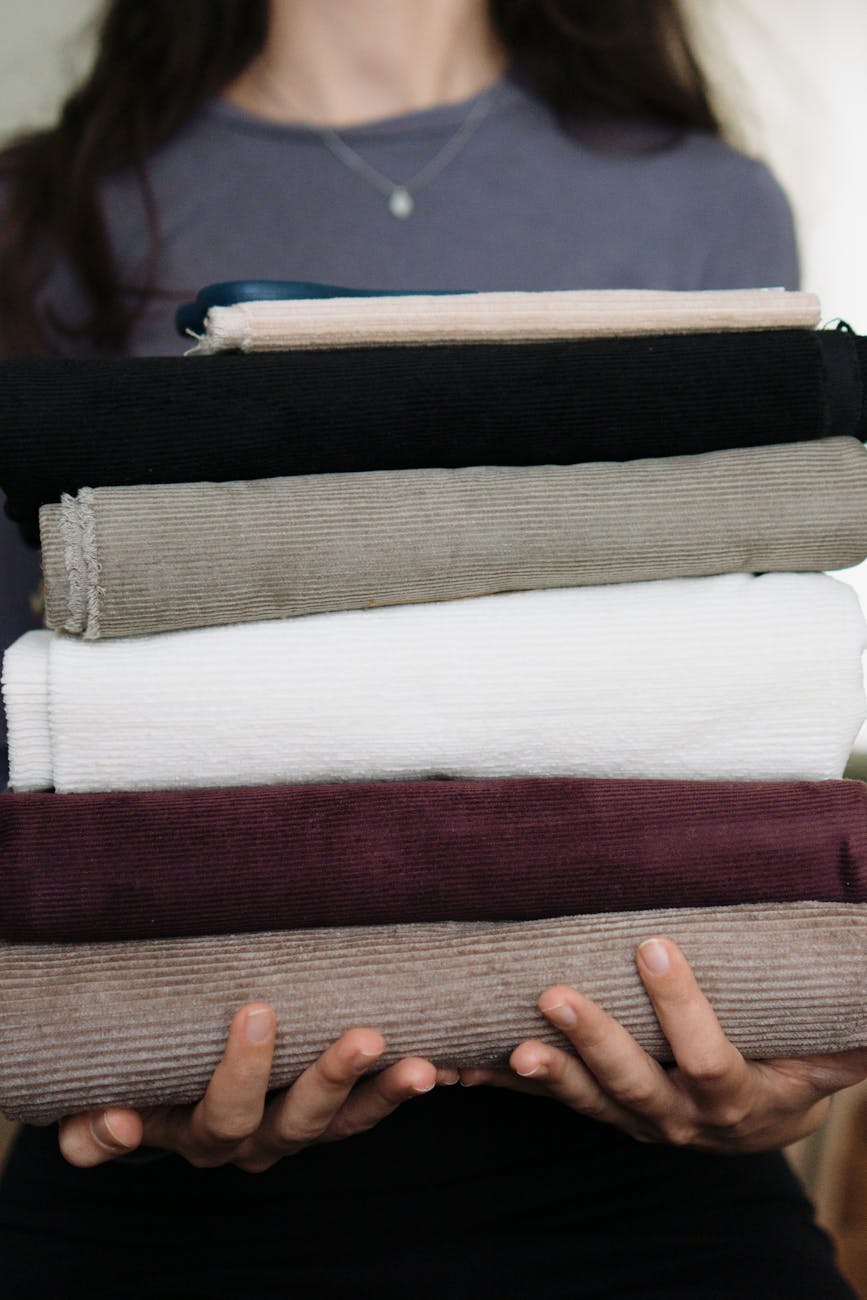
The Physics of Comfort: Understanding Tactile Depth in Interior Design
We often associate coziness with a feeling, something intangible we seek to capture. However, when designing a space intended for genuine relaxation, we must shift our focus to the physical interaction between the occupant and their surroundings. This is where the selection of textiles moves beyond mere aesthetics; it becomes an exercise in applied sensory engineering. We are manipulating light reflection, thermal retention, and perceived softness through material choice.
The mechanism by which a space achieves coziness relies heavily on texture. Different fibers interact with light differently, creating shadows and highlights that engage our visual system. A smooth, flat surface offers visual rest, whereas a highly textured surface introduces complexity that the eye explores. We observe from the data that introducing varied textural planes prevents visual monotony, allowing the eye to pause and register the depth of the material. This layered approach is fundamental to achieving true **cozy home decoration textures**.
Deconstructing Material Mechanics: Knits, Bouclé, and Velvet
Knits, bouclé, and velvet each operate on distinct physical principles when introduced into a living space. Each material dictates how light disperses across its surface and how it manages ambient temperature exchange with the air. Understanding these material properties allows us to intentionally build tactile environments rather than just applying patterns.
The Architecture of Knitwear
Knits, fundamentally, are defined by their looped structure. This looping creates an inherent three-dimensionality that catches light in myriad directions, producing soft, diffused shadows. A chunky knit, for instance, features pronounced ridges and valleys. These physical variations trap air between the yarn structures, which acts as a micro-insulator, contributing to a perceived sense of warmth even when the ambient temperature is stable. We see this effect repeatedly; the visual texture mimics the tactile sensation of being enveloped in something soft. The density of the yarn directly correlates with the depth of the shadow cast by the weave, influencing the room’s overall mood from bright and airy to deeply intimate.
Bouclé: The Art of Irregularity
Bouclé introduces a unique complexity because its texture is inherently irregular. This material is characterized by looped or twisted yarns that create a highly variable surface topography. Unlike a flat surface, bouclé actively disrupts the smooth plane, forcing light to scatter unpredictably across the fabric. This scattering prevents harsh reflections and instead creates an enveloping glow. In practice, this irregularity engages a different part of the visual cortex, signaling comfort through its unpredictable yet inviting surface quality. We utilize bouclé when the goal is to introduce playful depth without overwhelming the visual field with bold patterns.
Velvet: Absorbing Light for Richness
Velvet operates on a principle of light absorption and reflection. Its short, dense pile absorbs a significant amount of incident light, resulting in deep, saturated color saturation. This absorption creates an atmosphere of rich, enveloping darkness that contrasts beautifully with brighter elements in the room. The way velvet reflects light is nuanced; it doesn’t bounce harsh glare but rather yields a soft, muted sheen. When applied to upholstery or drapery, this effect grounds the space, adding a sense of luxurious depth and tactile richness that elevates the entire composition.
Layering for Maximum Tactile Impact
The true power in achieving superior **cozy home decoration textures** lies not in selecting one material, but in orchestrating their interaction through careful layering. A single application provides texture; layering creates an immersive environment. We are constructing a sensory experience where different materials converse with each other spatially and visually.
Establishing Thermal and Visual Boundaries
When combining these materials, we must consider the functional implications. For instance, pairing a heavy velvet throw over a soft bouclé sofa establishes an immediate thermal zone of comfort. The heavier, light-absorbing velvet anchors the visual field, drawing the eye inward. The lighter, more tactile bouclé provides the inviting surface for physical contact. This juxtaposition creates visual hierarchy—the richness of the velvet frames the softness of the bouclé.
This principle extends beyond seating areas. Consider a bedroom setting or a space designed for ultimate sanctuary. If you are curating an environment focused on deep rest, the textiles must actively communicate safety and warmth. For example, in a bathroom setting, where the goal is to transition from functional necessity to pure relaxation, materials that promote softness are essential. We see this correlation when designing spaces like those featured in articles discussing spa aesthetics; introducing soft, matte textures helps mitigate the harshness of tile and hard surfaces. Explore how tactile choices influence the psychological state, as seen in guides on creating a serene retreat: [Spa Bathroom Decor: Create Your Serene Retreat](https://decorandliving.com/spa-bathroom-decor-soft-lighting/).
The Psychological Impact of Tactile Engagement
The choice of texture directly influences our subconscious perception of safety and invitation. Our brains process tactile information as a direct signal about the physical reality of the space. Rough, highly textured materials often trigger an instinctual need for grounding; smooth, yielding fabrics signal ease and vulnerability. This sensory feedback loop is what we exploit when designing cozy spaces.
We observe that surfaces that invite touch encourage lingering. When textiles feel invitingly soft, the impulse shifts from merely observing the décor to physically engaging with it—running a hand across the velvet or sinking into the bouclé. This physical interaction solidifies the feeling of coziness; it moves the space from an observed object to a lived-in experience.
This principle is critical when designing spaces meant for deep personal sanctuary, such as a spa-inspired bathroom where every element contributes to tranquility. The deliberate use of soft textures reduces visual tension, allowing the mind to relax fully. Think about how incorporating these rich textures can transform a functional space into an escape, fostering a sense of calm that extends throughout the entire environment. For an aesthetic focused on serene sanctuary, examining [Spa Bathroom Decor: Create Your Serene Sanctuary](https://decorandliving.com/spa-inspired-bathroom-decor/) reveals the necessity of this textural harmony.
Practical Application: Integrating Textures into Your Space
Applying these principles requires a systematic approach to integrating textures throughout your décor scheme. Do not treat textiles as mere accessories to be placed; treat them as structural components that define the mood and flow of the room.
Start by identifying the primary function of each zone. A living room demands invitation, perhaps leaning into the interplay between rich velvet anchors and softer knit throws. An entryway might benefit from textured rugs layered over smooth flooring to immediately signal welcome warmth. In a bedroom, the goal is pure enveloping comfort; here, maximizing soft bouclé and fine knit layering ensures that every surface contributes to the sensation of being cocooned.
We analyze the effect of scale too. Large-scale textures, like an oversized velvet curtain or a substantial bouclé armchair, exert a stronger visual presence than small accents. These large elements define the room’s atmosphere instantly. Contrast this with smaller textural details, such as a fine knit accent pillow placed against a smooth wall; this creates subtle pockets of intimacy within the larger framework. This interplay between macro-texture and micro-texture builds the desired complexity in your **cozy home decoration textures**.
The cumulative effect is an environment where visual depth harmonizes with physical comfort. By consciously selecting materials that interact dynamically with light and touch, we engineer spaces that respond not just to sight, but to the entire sensory system, resulting in truly immersive and deeply cozy interiors.
Tags: home decor textures, textile layering, bouclé decor, velvet fabrics, cozy living, knits, soft decor
Featured Image by Berna on Pexels.