
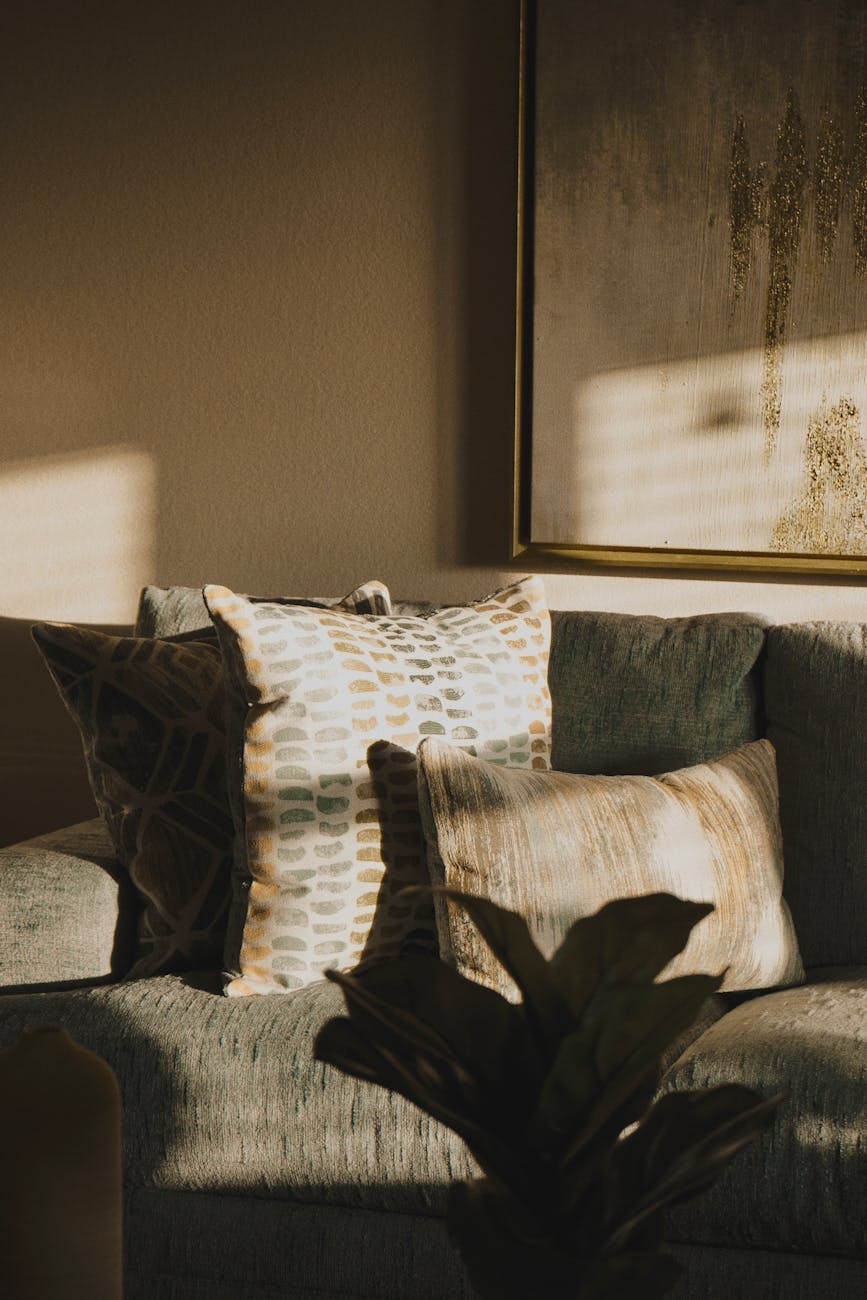
The Psychology of Depth: How Color Manipulates Perceived Space
We observe from the data that the chromatic choices we make inside our living environments directly modulate our psychological state. Selecting deep jewel and earthy tones is not merely an aesthetic preference; it is a deliberate manipulation of environmental perception, shifting the perceived scale and intimacy of a space. When designers employ saturated, rich hues, they engage specific neurological pathways that trigger feelings of enclosure and grounding, effectively altering the spatial dynamic of a room. This mechanism works by reducing the visual frequency across the field of view, causing the eye to register the boundaries of the space more acutely, thereby fostering a sense of secure containment.
This effect is amplified when dealing with deep color schemes cozy home design. Lighter, airy palettes tend to maximize the perceived distance between objects, allowing spaces to feel expansive and open. Conversely, incorporating deep burgundies, forest greens, or rich terracotta tones forces the visual field inward, encouraging a slower pace of interaction within those boundaries. This deliberate sensory narrowing is what translates into genuine coziness; it signals safety and retreat.
Deconstructing Warmth and Coolness in Interior Design
The interplay between warm and cool tones dictates the thermal sensation of a room, which is intrinsically linked to comfort levels. Earth tones—think deep ochres, warm browns, and muted siennas—invoke a sense of organic warmth. These colors mimic natural elements like soil and wood, creating an immediate psychological association with natural shelter. When we examine the visual spectrum, the longer wavelengths associated with these hues have a calming, grounding effect on the central nervous system.
Cooler jewel tones, such as sapphire blues or emerald greens, introduce a different kind of depth. While still rich, these colors carry a sense of depth and sophisticated tranquility. Our analysis suggests that balancing these two approaches allows for complex emotional layering in a single design scheme. For instance, pairing a deep navy with warm camel accents creates an enveloping mood that is both deeply grounding and richly luxurious. This synthesis prevents the space from feeling either overly heavy or starkly cold.
Establishing Sensory Richness Through Texture
Color sets the mood, but texture provides the physical experience of coziness. A flat wall, no matter how beautifully painted in a deep hue, offers only visual information. True enveloping comfort requires tactile engagement. We must move beyond mere visual perception to consider the materiality of the space. Layering textiles is the mechanism by which we introduce this essential sensory dimension.
When fabrics are chosen for their weight and weave, they actively contribute to acoustic dampening and tactile satisfaction. Heavy wools, thick linens, and velvet surfaces absorb ambient light and sound waves differently than smooth synthetics. This physical absorption contributes to a softer, more muffled atmosphere. Consider how draping a heavy velvet throw over a sofa changes the visual weight of that seating area instantly. It signals an invitation to sink in, transforming a mere arrangement of furniture into a genuine sanctuary.
The process of layering fabrics works by creating multiple tactile planes. A smooth, cool cotton might provide the base layer, while a chunky knit blanket acts as the mid-layer for insulation and visual interest, and finally, a soft faux fur or velvet throw functions as the surface layer, providing the final enveloping touch. This systematic approach ensures that the deep color scheme is experienced through multiple sensory inputs, maximizing the perceived coziness. Read more about how to achieve this layered effect in [Textural Tales: Layering Fabrics for Ultimate Cozy Ambiance](https://decorandliving.com/layered-textiles-cozy-ambiance/).
Materiality and Acoustic Comfort
The choice of materials directly impacts how sound behaves within the environment, which is a critical component of creating a truly cozy space. Hard surfaces reflect sound waves, causing echoes and an overall harshness that undermines tranquility. Soft, porous materials absorb these vibrations, mitigating unwanted noise and enhancing auditory comfort. This principle applies equally to visual depth and acoustic design.
When implementing a deep color scheme cozy home, the textural choices must reinforce this goal of sonic softness. Integrating natural fibers—think thick rugs made of wool or jute, woven linen curtains, and upholstered furniture in tactile materials—is essential for acoustic management. These elements disrupt sharp, reflective surfaces, allowing sound to decay gently within the space instead of bouncing off the walls. This intentional material selection contributes significantly to an atmosphere of serene, enveloping calm.
Designing Sanctuary: The Cozy Home Office
The concept of a cozy home extends beyond leisure; it encompasses creating personalized sanctuaries for focused work and rest. The design principles that foster relaxation in a living area translate directly into the functionality required for productivity in a home office environment. A dedicated workspace must facilitate deep focus, and this requires an environment free from jarring sensory input.
Designing a cozy home office sanctuary involves managing visual distraction while optimizing acoustic isolation. When setting up a space intended for deep concentration, we must account for ambient noise. Sound pollution fragments attention; therefore, mitigating external sounds becomes a non-negotiable design parameter. Implementing effective soundproofing techniques ensures that the environment supports cognitive function rather than competing with it.
For example, when considering a home office nook, the application of deep, mood-setting colors works in tandem with acoustic management. The visual depth created by rich tones fosters introspection, while effective soundproofing allows for uninterrupted mental processing. We observe that spaces designed for focus benefit immensely from this dual strategy. Focusing on [Soundproof Your Nook: Design a Cozy Home Office Sanctuary](https://decorandliving.com/soundproof-home-office-nook/) provides the necessary framework for creating an environment where deep color schemes cozy home principles can fully manifest without sensory overload.
Integrating Depth and Functionality
The challenge in designing a space that is both deeply enveloping and highly functional lies in balancing psychological immersion with practical utility. Deep colors create intimacy, which is excellent for relaxation, but they must not impede necessary functional elements like clear sightlines or accessibility to tools. Our analysis suggests that this balance is achieved by strategic application rather than overwhelming coverage.
We use the deep tones to define specific zones—a reading nook, a primary sitting area—allowing the visual experience to be intense where comfort is prioritized. The remaining functional areas can employ slightly lighter, more neutral shades to maintain clarity and prevent visual fatigue during task execution. This juxtaposition prevents the room from becoming claustrophobic while still retaining its rich, mood-setting character.
This requires an understanding of scale manipulation. Large pieces of furniture, grounded by deep colors, establish a sense of permanence and enclosure. Smaller accessories, like carefully selected lighting or textural accents, introduce necessary visual relief without disrupting the overarching atmospheric intention. The result is a space where one can transition smoothly from deep relaxation to focused activity, all while maintaining an undeniably cozy home aesthetic throughout.
Tags: cozy home decor, jewel tones, earthy tones, moody colors, color palettes, home design, cozy vibes
Featured Image by Tea with Jesus By Mirna on Pexels.