
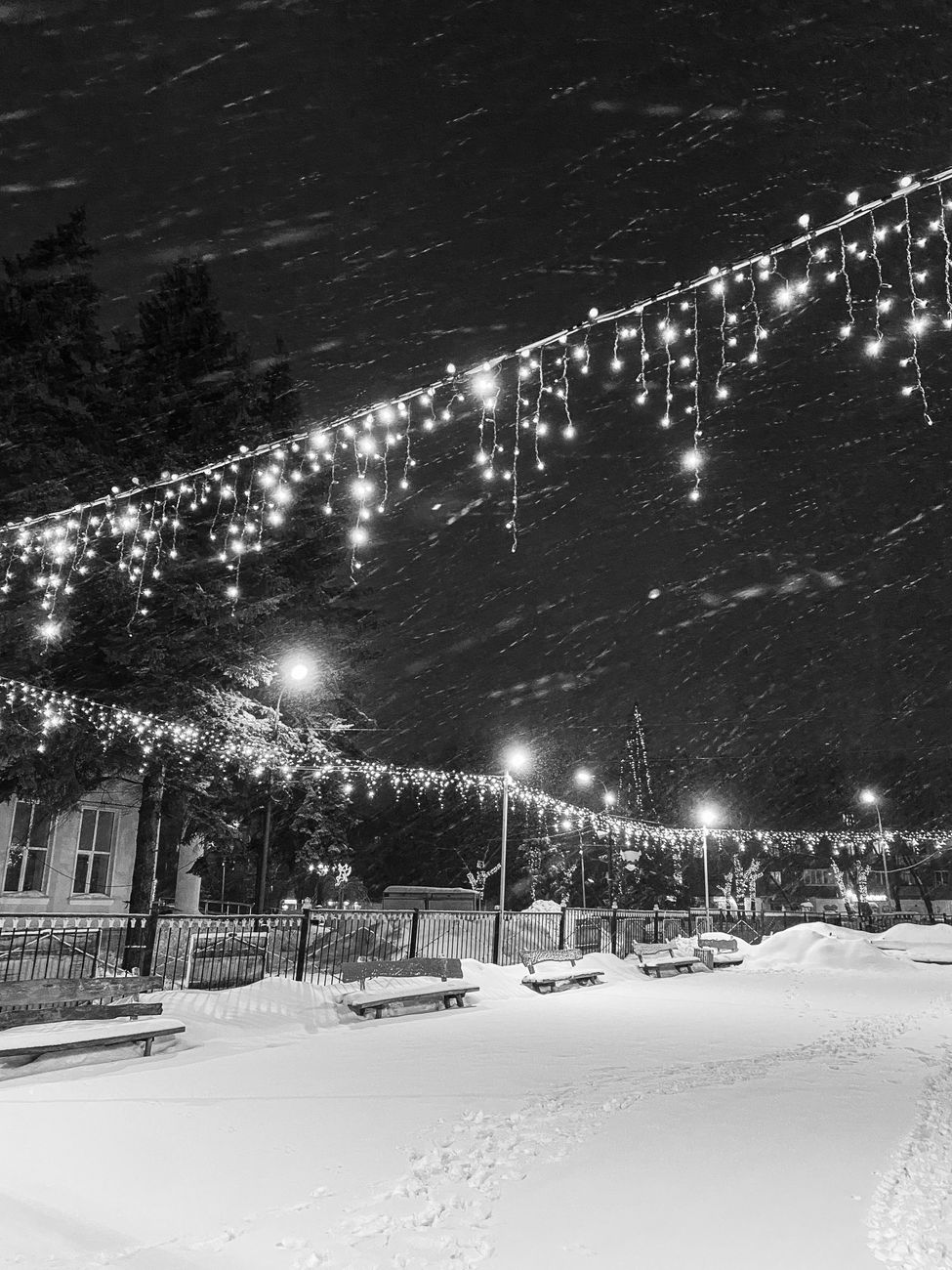
Engineering the Illusion: Mastering Indoor Snowfall Ambiance
Creating an immersive winter scene indoors moves beyond simple decoration; it becomes an exercise in sensory manipulation. We are not merely placing fluffy white items around a room. We are engineering light refraction, texture layering, and visual depth to simulate the ethereal experience of falling snow. Understanding the physics of how light interacts with suspended particles is the first step in designing effective **indoor snowfall decor**.
The success of this effect hinges on controlling three primary variables: illumination intensity, particle dispersion, and material reflectivity. When we observe natural snowfall, the scene is defined by soft, diffused light scattering through airborne moisture. To replicate this phenomenon effectively, our goal shifts to manipulating artificial light sources to achieve a similar diffusion gradient. This requires moving away from harsh, direct lighting and implementing layered, low-intensity illumination strategies throughout the space.
The Mechanics of Light Diffusion for Snow Simulation
To generate an authentic feeling of falling snow, we must understand how light interacts with suspended matter. Imagine light rays entering a space; in real snowfall, those rays encounter countless tiny water droplets or ice crystals, causing them to scatter in myriad directions. This scattering process is what creates the soft, glowing effect we seek indoors. Our DIY approach focuses on mimicking this scattering mechanism using achievable household materials.
We achieve this by strategically deploying light sources behind semi-transparent layers. Simple white string lights, when diffused through sheer fabrics or frosted acrylic sheets, effectively scatter the photons across the surface. The key is minimizing hard shadows and maximizing soft gradients. If the light source remains a single point, the resulting effect will be stark, which defeats the cozy ambiance we aim for. We need volumetric lighting—light that fills the space rather than just illuminating an object.
Textile Selection: Controlling Surface Reflectivity
The textiles we select play a critical role in dictating how the simulated snowfall is perceived. A highly reflective surface will create sharp, bright spots; a matte surface will absorb light and enhance the sense of softness. In practice, heavy velvet or thick linen fabrics excel at this modulation. These materials possess an inherent texture that absorbs some light while allowing a gentle diffusion of the ambient glow beneath them.
We observe that layering different textile weights creates visual complexity. Drape a sheer, gauzy white sheet over a primary light source, then layer a heavier, textured throw blanket on top. This differential absorption ensures that the light filters through multiple densities, resulting in depth rather than a flat overlay. This technique elevates the decor from a simple application of materials to a carefully calibrated environmental effect.
Illuminating for Atmosphere: Strategic Light Placement
The placement of lighting dictates the emotional resonance of the space. We avoid relying on overhead fixtures alone. Instead, we implement accent lighting that mimics the soft glow found in a winter landscape. Think about placing LED strips along ceiling coves or behind sheer curtains. This technique utilizes indirect light pathways, which naturally softens the visual field and encourages introspection.
Consider the transition from bright areas to shadowed zones. A well-executed **indoor snowfall decor** setup intentionally introduces areas of gentle dimness. This contrast between illuminated pockets and softer shadows mimics the way snow settles in valleys and drifts against surfaces. We can explore similar principles when designing tranquil spaces, such as focusing on soft lighting within a Spa Bathroom Decor: Create Your Serene Retreat (https://decorandliving.com/spa-bathroom-decor-soft-lighting/). The principle remains identical: control light intensity to direct the viewer’s focus and evoke a specific mood.
Implementing Visual Effects: DIY Techniques for Snowfall
Moving beyond static lighting, we can introduce dynamic visual elements that enhance the illusion of movement. Creating actual visual effects requires thoughtful manipulation of simple tools. We employ techniques involving projection or suspended materials to achieve this kinetic quality.
One effective method involves using light projection onto a scrim or sheer backdrop. By projecting soft white light patterns—perhaps mimicking slow-moving, amorphous shapes—onto a large surface, we introduce the illusion of falling particles. This requires precise control over the projector’s focus and light intensity to ensure the pattern remains ethereal rather than harsh.
Another approach involves utilizing suspended elements. Fine, delicate strands of reflective material, perhaps very fine silver tinsel or thin, iridescent cellophane, can be gently hung at varying distances from the light source. As these materials catch the diffused light, they create moving lines that suggest airborne particles drifting through the air. This necessitates careful measurement to ensure the visual effect remains subtle and atmospheric rather than overtly festive.
Curating Textural Depth in Winter Decor
The tactile experience of a cozy space is as important as the visual spectacle. The concept of **hygge** demands an appreciation for soft, inviting textures that invite physical comfort. When designing our snowfall scene, we must integrate materials that feel genuinely warm against the simulated coldness outside.
Think about the interplay between rough and smooth surfaces. A chunky knit blanket offers substantial tactile grounding, anchoring the ethereal light effects to a tangible sense of warmth. Contrast this with the sheer, cool drape of a silk or voile fabric used for the backdrop diffusion. This juxtaposition of textures reinforces the sensory paradox of cozy indoor comfort amidst a winter scene.
We analyze how these material choices affect the perceived temperature of the room. Heavy fabrics absorb sound and light, creating an acoustically warmer space. The visual effect is amplified because the physical sensation aligns with the aesthetic experience. In practice, ensuring that surfaces invite touch—whether through soft throws or plush rugs—connects the viewer to the intended atmosphere far more deeply than purely optical effects alone.
Designing Integrated Cozy Nooks
The **indoor snowfall decor** should serve as a backdrop for creating personalized zones of tranquility within the larger space. A corner dedicated to reading, for instance, benefits immensely from controlled ambiance. We can combine soft, diffused light with tactile elements to establish a sanctuary. This approach mirrors how we design focused retreat areas, such as in a Hygge Bathroom Reading Nook: Cozy Decor Ideas (https://decorandliving.com/hygge-bathroom-reading-nook/).
In this reading nook, the goal is maximum coziness achieved through low light and enveloping textures. The visual effect of soft, diffused light becomes integrated into the material choice—a plush rug anchors the space, and warm, amber lighting bathes the area. The simulated snowfall elements should be subtle here, perhaps a single, softly glowing orb or a sheer drape catching the ambient light, rather than an overwhelming spectacle.
The overall strategy involves treating the room as a canvas where light, texture, and implied movement collaborate to generate an emotional response. We are not just decorating; we are programming an experience rooted in sensory comfort. Mastering this integration means understanding that the most effective decor manipulates perception through subtle, calculated shifts in how light and material behave within the environment. The result is an atmosphere of serene, enchanting winter magic.
Tags: indoor snowfall decor, winter decor, cozy home, winter ambiance, diy decor, holiday decor, winter wonderland
Featured Image by Irina Kraskova on Pexels.