
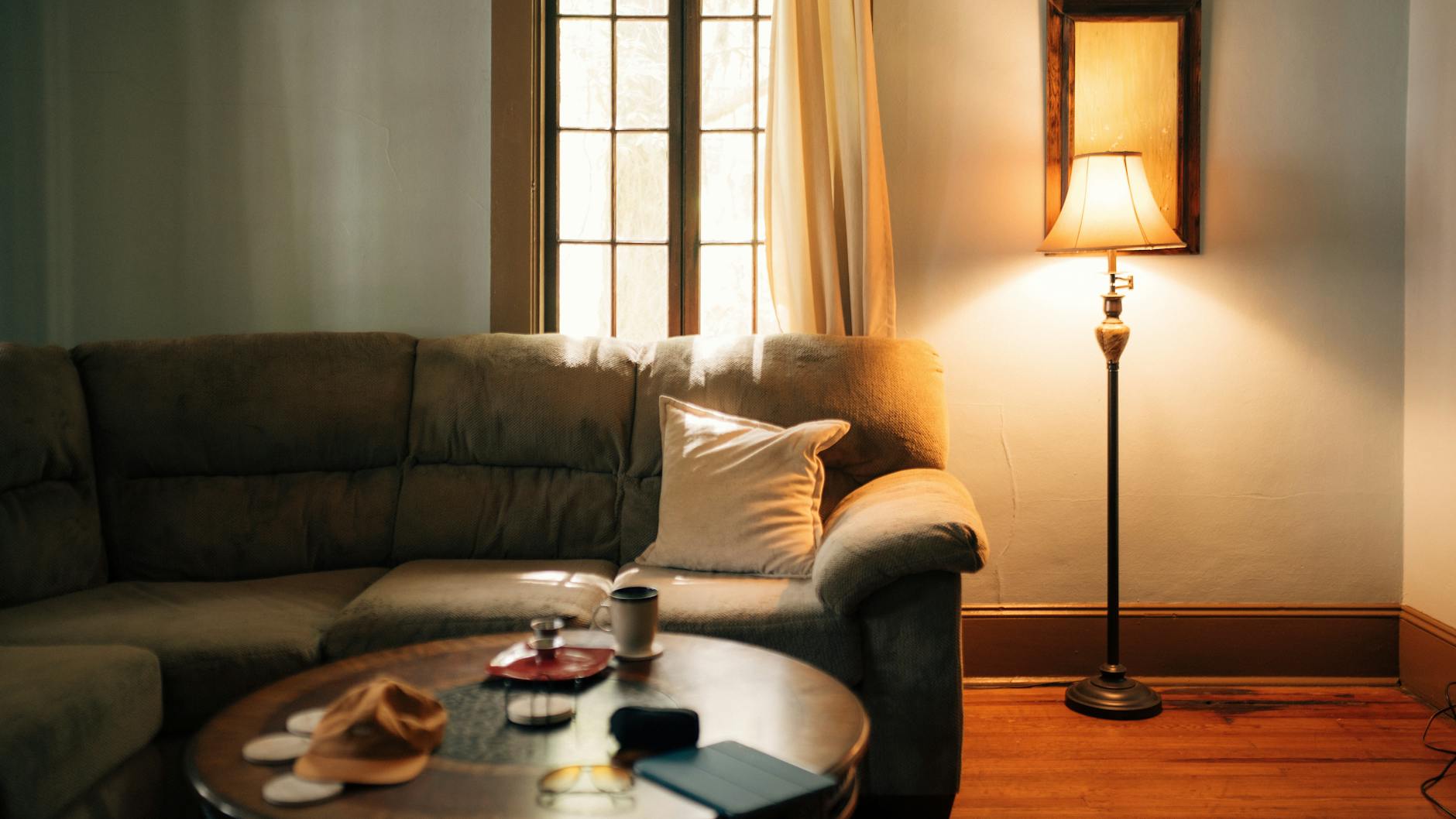
The Science of Illumination: Engineering Your Cozy Living Room Lighting
Achieving a truly cozy atmosphere is not accidental; it is the result of carefully engineered light dynamics interacting with your physical space. We observe from the data that the quality of illumination directly modulates mood, cognitive function, and perceived comfort. This process moves beyond simply switching on a light source; it involves manipulating color temperature, intensity distribution, and layering light sources to achieve a desired sensory outcome. Understanding this mechanism allows us to move past superficial decoration and engage in intentional environmental design.
The goal of mastering **cozy living room lighting** is to harness the physiological response to light wavelengths. Warm light, typically characterized by lower Kelvin temperatures (2700K to 3000K), stimulates the release of melatonin, promoting relaxation and a sense of safety. Conversely, cooler, bluer tones are associated with alertness and energy levels, making them less conducive to deep relaxation in a social space like the living room. We must treat lighting as an active ingredient in interior design, much like textiles or furniture.
Decoding Color Temperature: The Spectrum of Comfort
The Kelvin scale provides the measurable framework for understanding this effect. As the temperature decreases, the light shifts toward the amber and red end of the spectrum, which our brains interpret as warm. For deep coziness, we aim for sources consistently below 3000K. When integrating multiple light sources, maintaining a consistent temperature across zones is crucial to preventing jarring transitions that disrupt ambiance.
We see significant differences when juxtaposing task lighting with ambient illumination. A bright, cool overhead fixture functions effectively for reading or detailed tasks, but using it as the sole source in a relaxation zone immediately introduces visual tension. The successful strategy involves establishing a foundation of low-level, warm ambient light, supported by strategically placed, warmer accent lights that define specific areas. This layering technique ensures that no single illumination scheme dominates the experience.
Implementing Layered Lighting Strategies
A truly immersive environment requires at least three distinct layers of lighting functioning in concert: ambient, task, and accent. These layers work sequentially to build a rich sensory experience.
Ambient Light: Setting the Foundational Tone
Ambient lighting serves as the base layer; it dictates the overall mood and general visibility of the space. This light should be diffused and indirect. Employing dimmers is not merely a convenience; it is a mechanism for dynamic control over the environment. When ambient light can be smoothly attenuated, occupants gain agency over their psychological state. We find that using indirect sources, such as cove lighting or dimmer-controlled floor lamps, prevents harsh shadows and creates a soft, enveloping effect across the entire room volume.
Task Lighting: Focusing Intent
Task lighting addresses specific functional requirements. Whether reading, crafting, or conversing, focused light directs visual attention where it is needed most. For example, a floor lamp positioned next to a sofa provides localized illumination for conversation while keeping the overall room glow soft. When designing areas intended for focused activity, such as a reading corner, the task light must be bright enough for clarity but possess a warm color temperature suitable for sustained engagement. Consider how you design spaces for focus; we have seen that creating dedicated environments, perhaps by designing cozy reading nooks for your bedroom, benefits greatly from targeted illumination.
Accent Lighting: Introducing Depth and Texture
Accent lighting introduces visual interest by highlighting architectural features, art, or textural elements. This layer manipulates the perceived depth of the room. Using wall washers to graze textured wallpaper or uplighting to emphasize the height of a ceiling creates dimension where flat light would result in monotony. These accent lights should be intentionally warm, drawing the eye to the tactile qualities of materials. If you are focusing on incorporating rich textures, such as layering cozy textiles for a warm kitchen aesthetic, using accent lighting to highlight those woven surfaces amplifies their visual richness exponentially.
Materiality and Light Interaction
The way light interacts with physical materials is a crucial, often overlooked mechanism in interior design. Reflectivity and texture dictate how light scatters and defines the space. Matte surfaces absorb light gently, contributing to a softer ambiance, whereas highly reflective surfaces bounce light sharply, demanding careful control of intensity.
Consider the effect of wood versus fabric. Natural wood tones inherently carry warmth, and when illuminated by warm light, their grain becomes more pronounced, adding organic texture. Conversely, soft fabrics diffuse light beautifully, softening harsh edges and creating pockets of intimate shadow that enhance coziness. We observe that surfaces with complex textures engage the eye more fully than flat planes, making the interplay between shadow and light a defining feature of the design.
Integrating Smart Technology for Dynamic Coziness
Modern lighting systems offer sophisticated control mechanisms that allow us to automate these layering principles. Smart bulbs and integrated systems permit scheduling and scene setting based on the time of day or the intended activity. Setting a “Sunset Scene,” for instance, automatically shifts the entire room’s illumination to a deep, warm amber tone, reducing overall intensity to signal rest. This automation removes the cognitive load of manually adjusting settings every evening.
The capability to transition between scenes—from bright, functional daytime light to soft, intimate evening light—is what truly transforms a space into a cozy sanctuary. The technology facilitates the seamless execution of the principles we discussed regarding color temperature and intensity distribution, allowing the environment to respond organically to human needs. This is the practical application of engineering aesthetic comfort.
Practical Application: Designing for Flow
When you begin curating your **cozy living room lighting**, think about the flow of movement within the space. Light should guide the eye gently rather than creating harsh focal points. Avoid single, overwhelming light sources that create stark contrasts. Instead, distribute illumination evenly, allowing the various layers—the soft ambient glow, the focused task beam, and the warm accent highlights—to coexist in harmony.
We analyze the effect of vertical versus horizontal light placement. Uplighting draws attention to height and scale; downward-facing light anchors activities on a surface. By consciously positioning these elements, you direct the viewer’s experience through the room. This intentional arrangement ensures that every element contributes to the overarching goal: creating an enveloping atmosphere of deep, accessible comfort. The result is a living space where the lighting actively supports relaxation and connection.
Tags: living room lighting, cozy decor, home ambiance, warm lighting, interior design, lighting tips, cozy home
Featured Image by Sami Abdullah on Pexels.