
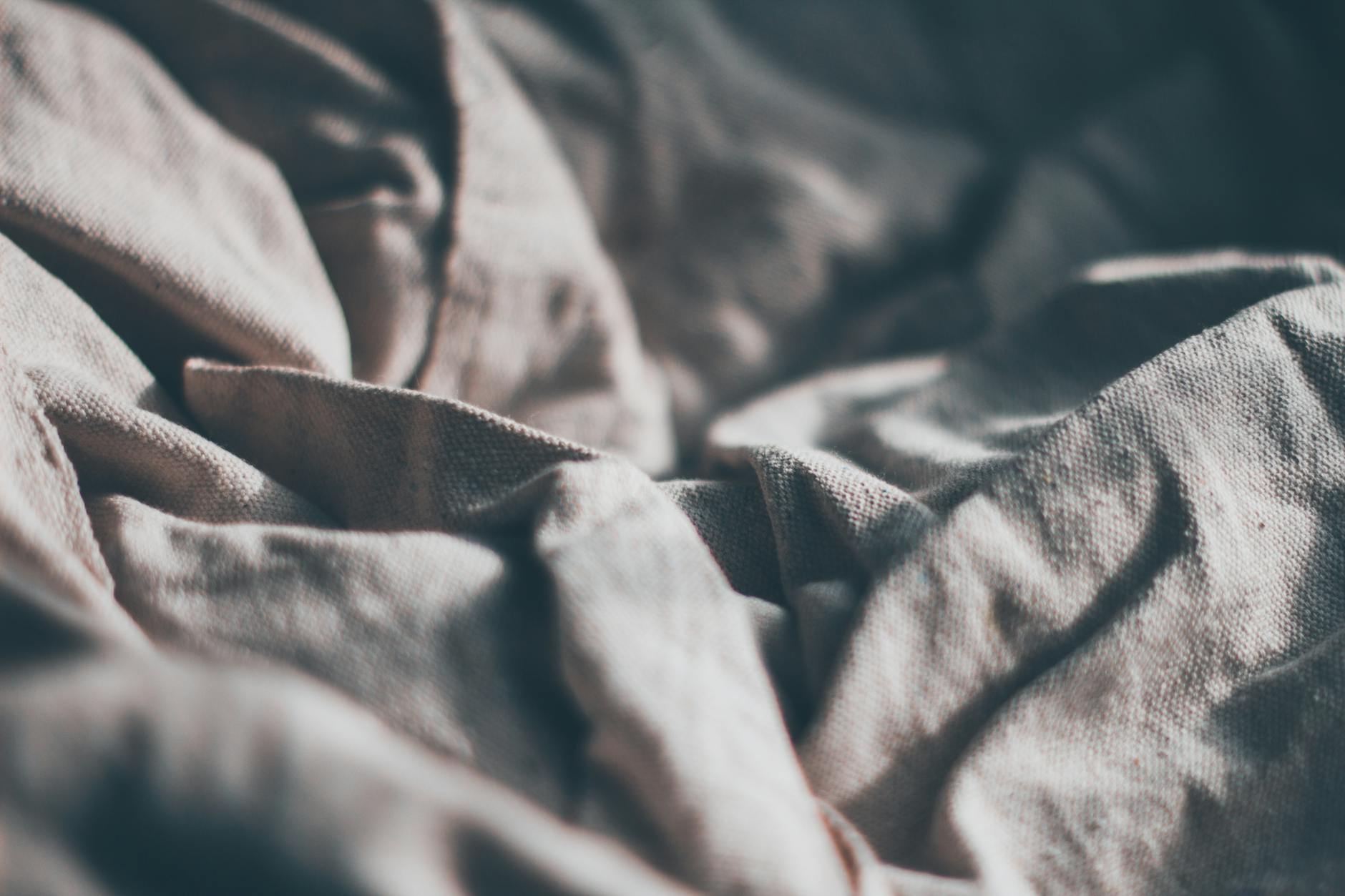
The Science Behind Sensory Comfort: Decoding Cozy Home Textiles
We interact with our environment constantly, yet very few elements shape our mood and physical well-being as directly as the textiles we surround ourselves with. Selecting fabrics for a space is not merely an aesthetic choice; it is an exercise in material science applied to emotional architecture. Understanding how different fibers interact with light, touch, and air flow reveals the mechanism by which we generate that sought-after feeling of coziness within our dwellings. This exploration delves into why certain materials consistently elicit a sense of deep, enveloping comfort, establishing the principles behind choosing superior **cozy home textiles**.
Fiber Mechanics: How Touch Translates to Mood
The tactile experience of a fabric is mediated by its surface structure and fiber composition. Think about the microscopic texture; this is where the sensory input originates. Rougher weaves or high-pile surfaces create more physical resistance, which, when registered by the somatosensory cortex, triggers a primal sense of grounding and security. Conversely, smooth, fine yarns offer frictionless contact, suggesting ease and serenity. We observe that the density and loft of the material directly influence thermal regulation, creating microclimates that feel inherently warmer or cooler depending on the fabric’s insulating properties.
Wool, for example, functions through a complex mechanism involving trapped air pockets within its crimped fibers. This structure traps a significant volume of air, creating an exceptional thermal barrier. In practice, this means wool actively manages temperature fluctuations, preventing the sensation of cold skin contact while still allowing for breathability—a crucial balance for true coziness. Linen, another powerhouse, achieves comfort through its natural slubbing and breathable weave. The open structure allows air to circulate freely, managing moisture effectively, which contributes significantly to a relaxed atmosphere.
Material Deep Dive: Wool, Linen, and Velvet
Each primary fiber category offers a distinct pathway to achieving textural satisfaction. We analyze the physical properties of wool, linen, and velvet to understand their specific contributions to the cozy factor in our homes.
The Thermal Regulation of Wool
Wool’s inherent crimp creates an incredible surface area for insulation. When we drape a heavy wool throw over a sofa, it doesn’t just cover the surface; it modulates the heat exchange between the occupants and the ambient air. This property means that even when ambient temperatures drop slightly, the wool layer maintains a stable, comforting thermal envelope around the body. Research suggests that materials with high thermal mass effectively buffer rapid temperature shifts, which is precisely what we seek when designing spaces intended for relaxation. Selecting substantial wool blends ensures this physical anchoring effect persists throughout the day.
The Breathability of Linen
Linen’s structure promotes an environment where moisture vapor can move easily across the surface. This mechanism prevents that clammy feeling often associated with synthetic fabrics, allowing the body to regulate temperature naturally. In environments where air circulation is key—perhaps in a sun-drenched living room—linen allows the space itself to feel lighter and more airy while still providing tactile softness. We see this material excel when prioritizing natural airflow alongside comfort.
The Luxurious Depth of Velvet
Velvet introduces a different sensory dynamic, focusing on light absorption rather than pure insulation. Its defining characteristic is its dense pile, which absorbs ambient light, resulting in deep, rich color saturation and an intensely plush visual texture. This effect creates an immediate sense of luxury and envelopment. When light interacts with velvet, it diffuses softly, eliminating harsh reflections and fostering a mood that feels intimate and deeply settled. It functions more as a psychological blanket than a primary thermal insulator.
Weaving Patterns and Texture Density
Beyond the fiber choice itself, the way those fibers are assembled dictates the final perceived coziness. The interplay between weave structure and texture density dictates how light interacts with the surface and how the material drapes over furniture. A tightly woven tapestry presents an unbroken, solid field of texture, creating a feeling of structural permanence. Conversely, patterns involving varying textures or open weaves introduce visual complexity that invites closer inspection.
We observe that high-pile rugs, for instance, increase the perceived coziness exponentially because they invite physical interaction underfoot and visually anchor the seating area to the floor plane. The depth of the pile directly correlates with the visual sense of softness we associate with comfort. When designing a sanctuary, maximizing surface interaction through rich textures signals safety and invitation.
Integrating Textiles into Sanctuary Design
The selection process requires viewing textiles not as mere coverings but as active environmental regulators. We must consider how these elements function within the larger context of the room’s intended purpose. For example, creating a cozy home office calls for materials that promote sustained focus without sensory distraction. If you are aiming for deep concentration, selecting a textured wool throw can provide the necessary grounding while avoiding overly stimulating visual patterns.
Consider the contrast between functional and aesthetic zones. A workspace benefits from materials that reduce visual noise, allowing cognitive resources to remain focused on tasks. Meanwhile, a relaxation area demands materials that encourage complete sensory surrender. For instance, a space dedicated entirely to unwinding might integrate sumptuous velvet accents alongside soft linen cushions to signal immediate retreat. When designing these retreats, we must think about how the textiles support the specific behavioral goal.
When curating your personal spaces, the fabrics act as non-verbal communicators about the intended experience. They dictate the tactile narrative of the room. By consciously selecting fibers based on their physical mechanisms—insulation, breathability, and light absorption—we actively engineer environments that promote physiological calm. This intentional application of material science transforms a simple interior into an actual sanctuary where comfort is built into the very structure of the design.
Tags: home decor, textile therapy, fabric influence, cozy living, material selection, interior design, texture
Featured Image by Steve A Johnson on Pexels.