
Engineering Atmosphere: Designing Your Ideal Cozy Reading Nook
The living room functions as the central nexus of domestic life; it is where daily routines are enacted and memories are formed. To elevate this space from merely functional to genuinely restorative, one must intentionally engineer specific zones for specific activities. A cozy reading nook is not simply a place to sit; it is an architectural intervention designed to modulate sensory input, optimize focus, and trigger states of deep relaxation. We observe that the efficacy of this design hinges on controlling light, texture, acoustics, and spatial definition.
The Psychology Behind Intimate Spaces
Why do certain arrangements elicit feelings of calm? Our brains process environmental cues instantly. When we establish a dedicated space for reading, we initiate a cognitive shift away from task-oriented modes toward leisure. This transition requires specific stimuli. Consider the effect of enclosed spaces; they create psychological boundaries that signal safety and seclusion. The walls surrounding a nook function as visual anchors, reducing peripheral distractions that plague larger, open areas. We are essentially creating micro-environments where attention can be deliberately narrowed.
The sensory input must be calibrated precisely. Soft, diffused light plays a critical role here. Harsh overhead lighting introduces visual tension, forcing the eye to constantly readjust. Conversely, utilizing ambient, warm-toned light sources—such as floor lamps with dimmers or strategically placed sconces—reduces glare and encourages melatonin production, priming the body for restfulness. The tactile experience is equally important; the material we interact with directly influences our perceived comfort level.
Material Selection: Textures and Tactility
The choice of materials dictates the sensory quality of the reading nook. We move beyond mere aesthetics when selecting textiles. Natural fibers inherently possess a warmer, more inviting quality than synthetic counterparts. Wool, for instance, offers superior thermal insulation while maintaining a rich, deep texture that invites prolonged contact. Linen introduces a subtle, organic texture that softens hard lines. When designing this area, we must account for the interplay between these surfaces.
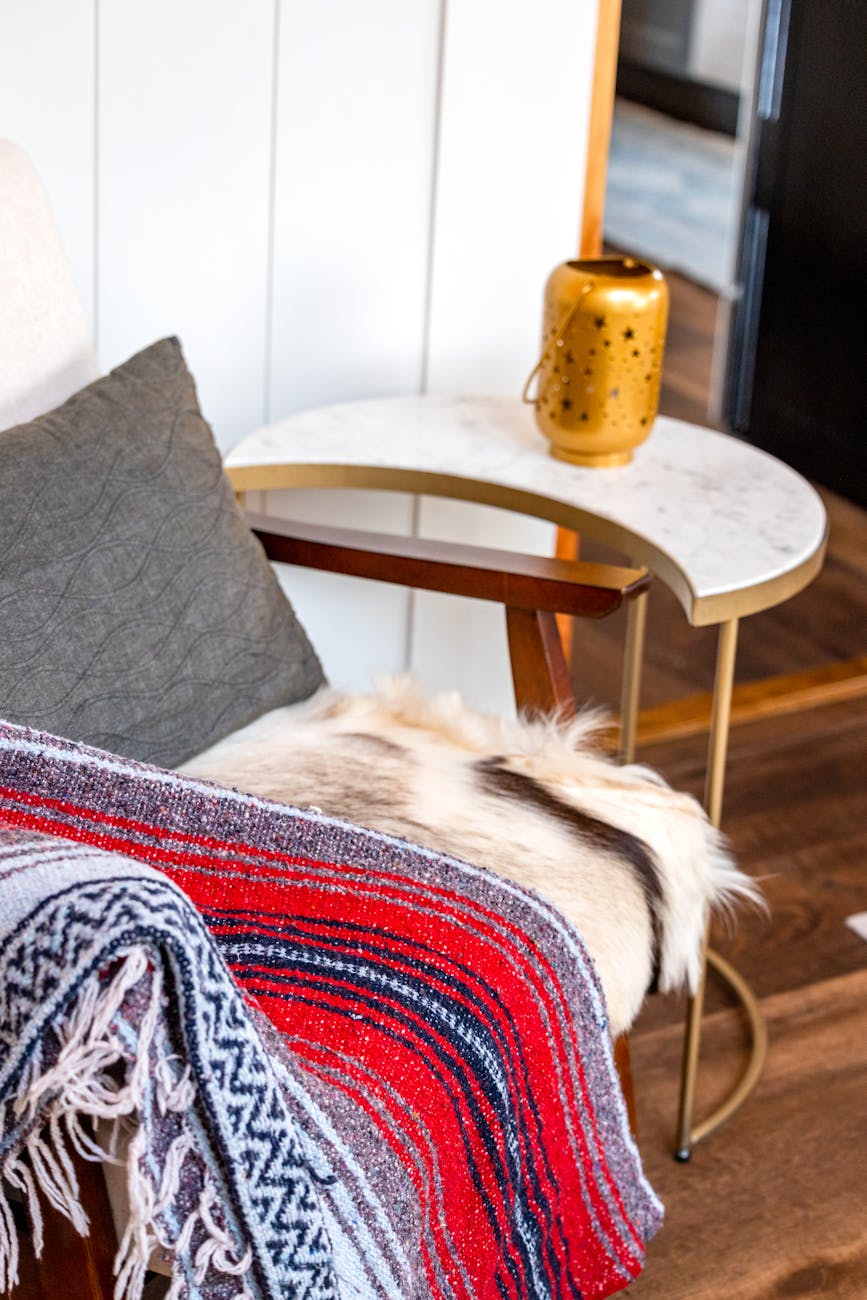
Layering cozy textiles for a warm kitchen aesthetic demonstrates the principle that complexity in texture equals depth of experience. Placing a thick, cable-knit throw over a plush rug, for example, creates a tactile invitation that signals immediate comfort upon entry. This layering process manipulates light reflection and sound absorption simultaneously. The interplay between soft fabrics and harder architectural elements defines the nook’s character. Think about how a heavy velvet cushion absorbs ambient noise better than smooth leather, allowing the reader to achieve deeper immersion in their narrative.
Spatial Definition: Creating Boundaries Without Walls
Defining the reading nook spatially is crucial for establishing its function. This boundary does not need to be a physical wall; it can be achieved through strategic furniture placement and subtle shifts in flooring or lighting intensity. We aim to carve out an intimate volume within the larger living room expanse.
A narrow console table or a tall, open-backed bookshelf positioned perpendicular to a main wall can serve as an effective visual barrier. This technique segments the space without imposing heavy, impermeable structures. The key is ensuring that this division remains permeable to light and air flow; confinement must feel intentional, not claustrophobic. We observe that angling seating toward a window maximizes the intake of natural light while still maintaining the sense of enclosure provided by surrounding furniture.
Furniture Selection: Ergonomics Meets Ambiance
The physical pieces within the nook must prioritize ergonomic support while adhering to the aesthetic mandate. A standard armchair may suffice, but we analyze its specific dimensions relative to the intended use. The seat depth and back height directly correlate with sustained reading comfort. We need pieces that encourage a relaxed, slightly reclined posture rather than rigid formality.
When selecting seating, consider scale. Oversized, deep-seated chairs invite full relaxation. A beanbag or an oversized floor cushion offers unparalleled, unstructured comfort for casual reading sessions. The mechanism here is adaptability; the furniture should support multiple states of repose. If space constraints are a factor, integrating multi-functional furniture hacks for cozy micro-apartments becomes necessary; a stylish ottoman can serve as extra footrest or side table, maximizing utility in small footprints.
Acoustic Management: Tuning the Soundscape
The auditory environment significantly impacts concentration. Unwanted ambient noise fragments focus and disrupts narrative flow. Therefore, acoustic management is a non-negotiable element of designing this space. Hard surfaces reflect sound waves, creating echoes that increase perceived noise levels. Soft furnishings absorb these reverberations, dampening the sonic landscape immediately around the reader.
Introducing soft materials actively mitigates sound transmission. A thick rug beneath the seating area acts as a primary sound buffer against footfalls and ambient room noise. Incorporating fabric-covered shelving or acoustic panels on adjacent walls further manages internal reflections. We are engineering silence, not just the absence of sound, but the presence of desired sonic texture—a gentle hush that supports deep concentration.
Integrating Functionality: The Multi-Purpose Nook
A truly successful cozy reading nook moves beyond passive seating; it becomes an active hub for relaxation and engagement. This requires integrating secondary functions seamlessly into the design. A well-designed space maximizes utility, especially in contemporary living arrangements where every square foot must serve a purpose.
We can integrate shelving units that double as book storage and ambient lighting features. A side table placed strategically offers accessible surfaces for a warm beverage or a bookmark. The goal is to eliminate the need for clutter by embedding necessary functions within the decorative scheme. This approach directly addresses the spatial challenges inherent in smaller living areas, turning functional necessities into aesthetic assets.
The design process involves an iterative analysis of these interwoven elements: light modulation affects mood; texture dictates touch; spatial definition controls focus; and acoustics manage immersion. When executing this plan, the resulting space functions as a carefully calibrated sanctuary, perfectly tailored for deep, restorative reading sessions.
Tags: reading nook, living room design, cozy decor, home decor, nook ideas, living room inspiration, cozy home
Featured Image by Andrea Davis on Pexels.