
The Science of Textile Synergy: Engineering Ultimate Cozy Home Textiles
We observe a fundamental principle at play when designing a truly cozy interior: texture layering. It is not about simply placing items in a room; it is about manipulating visual and tactile perception through the interplay of different fibrous materials. Mastering this synergy allows us to engineer an environment where comfort is not assumed but actively constructed. The goal becomes maximizing sensory engagement, turning a collection of separate items into a cohesive, enveloping atmosphere.
The selection of textiles dictates the entire experiential outcome. A single, flat surface offers minimal tactile depth. To achieve true coziness, we must introduce variations in weave, nap, and density. This strategic juxtaposition forces the eye and the body to register complexity, which translates directly into a feeling of rich, inviting comfort. Think about how light interacts with different surfaces; a high-pile wool throw absorbs light differently than a smooth linen blanket, creating dynamic shadows that deepen the sense of warmth.
Deconstructing Texture: The Mechanics of Tactile Experience
The physical interaction between fabric and the body is governed by several measurable variables. We are not just dealing with aesthetics; we are analyzing thermal regulation and perceived softness. Different fibers possess distinct thermal properties. Wool, for instance, traps air efficiently, creating an insulating layer that regulates temperature effectively, which is crucial when layering textiles in a home setting. Conversely, certain synthetic blends offer smooth, consistent surfaces, while natural fibers introduce desirable, subtle irregularities that enhance the feeling of organic warmth.
The visual effect relies heavily on how these materials respond to light reflection. A matte surface scatters light softly, enhancing shadow play and creating intimate zones. A high-sheen material reflects light sharply, introducing a different kind of energy into the space. When combining knits, throws, and rugs, we are orchestrating this optical effect across an entire plane. The goal is to prevent visual monotony while simultaneously deepening the sense of enclosure.
Mastering the Layering Hierarchy: Knits, Throws, and Rugs
The arrangement of these elements requires a hierarchy of interaction. A rug establishes the foundational plane; it anchors the space and sets the base tone for the room’s thermal geography. Next, throws introduce the primary layer of immediate, accessible softness. These items are designed for direct contact and immediate sensory engagement. Finally, knit blankets or smaller accent knits provide intricate textural accents that fill the remaining voids, adding complexity where the eye naturally seeks detail.
We analyze how these elements interact spatially. A large area rug defines a zone. Over this foundation, a substantial throw draped casually signals invitation. Then, a smaller, intricately patterned knit blanket is layered over the throw, introducing a finer scale of texture. This progression moves from macro-scale grounding to micro-scale detail, creating depth that pulls the viewer into the space.
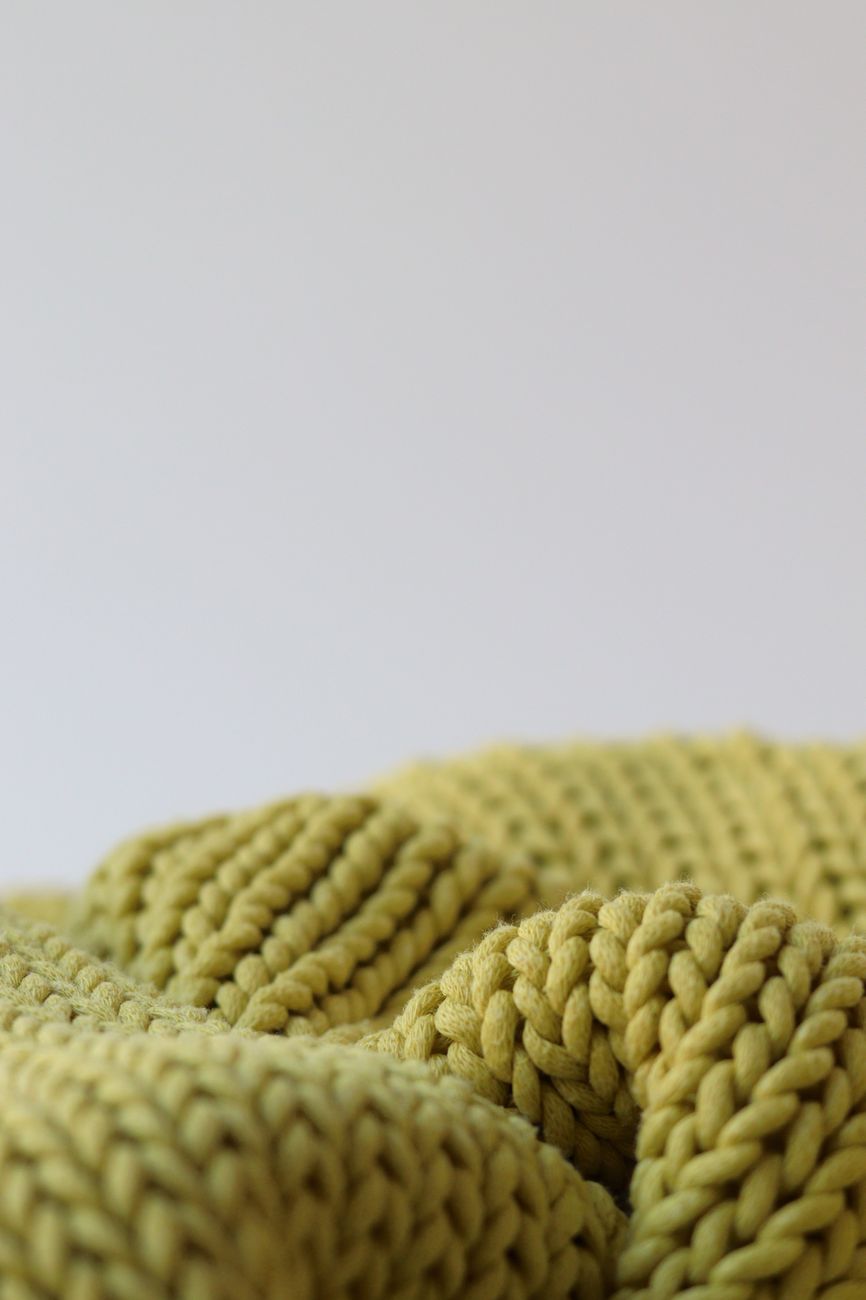
When considering specific applications, the choice of material dictates performance. For example, using a thick, chunky knit for a throw provides substantial visual weight and immediate tactile appeal. This contrasts effectively with the softer drape of a silk or fine-gauge merino wool used as an underlying layer. This intentional contrast prevents the overall look from becoming uniformly soft and undifferentiated.
Spatial Zoning Through Textile Anchoring
Textiles serve a crucial architectural function in defining zones within open-plan environments. A rug functions as an invisible boundary, delineating the living area from the hallway or dining space. This physical demarcation helps organize visual flow. We utilize this property to create distinct micro-environments within the larger space.
Consider the effect of grounding a seating arrangement with a substantial rug. This action psychologically anchors the furniture group, making that area feel more settled and personal. When incorporating soft furnishings into smaller, focused areas, such as a reading nook, the textile selection must align with the intended function. For instance, setting up a Hygge Bathroom Reading Nook requires textiles that promote deep relaxation; therefore, the rug beneath the seating should be dense enough to encourage sinking in, and the throw must invite enveloping rest. We see this principle apply across all domestic settings where comfort is the objective.
Material Selection: The Performance of Fiber
The material choice drives the longevity and the perceived quality of the coziness achieved. Analyzing the thread count versus the yarn weight is a critical step in understanding this performance gap. Higher thread counts relate more to surface density and weave intricacy, while yarn weight dictates the physical heft and insulating capacity.
We observe that natural fibers like alpaca, cashmere, and high-quality wool exhibit superior thermal regulation properties because their inherent structure manages moisture and temperature fluctuations effectively. Synthetic options can mimic texture but often lack the deep, slow-release warmth associated with natural materials. When sourcing cozy home textiles, we must prioritize these performance characteristics over mere visual appearance.
Integrating Textiles into Sanctuary Spaces
The impact of textile layering is amplified when applied to dedicated sanctuary spaces. A bathroom, for example, transitions from a functional area to a restorative retreat when soft furnishings are introduced. Implementing softer materials in the bathroom directly enhances the atmosphere, shifting it toward tranquility. When decorating a space like the Spa Bathroom Decor: Create Your Serene Retreat, utilizing plush towels and soft mats immediately signals a shift in function. The visual softness works alongside ambient lighting to induce a state of deep relaxation.
This deliberate application extends to how we manage sensory input in smaller zones. The contrast between hard surfaces and soft textiles is essential for creating dynamic visual interest. In areas designed for quiet contemplation, like the Hygge Bathroom Reading Nook: Cozy Decor Ideas, layering textures ensures that every point of contact invites a slower pace. The rug underfoot provides physical reassurance, while the throw draped over a chair offers an invitation to linger.
The Iterative Process of Perfect Coziness
Achieving the pinnacle of cozy home textiles is an iterative process of experimentation. We test different fiber combinations against varying light conditions and spatial arrangements. We adjust the scale—the size of the rug relative to the furniture, the weight of the throw against the surface below—to find the optimal equilibrium. This requires moving beyond simple pattern matching toward a systemic understanding of spatial dynamics and material physics.
The result is not a static arrangement but a responsive environment. The way light catches the varied nap of the wool juxtaposed against the smooth drape of silk creates an evolving sense of warmth throughout the day. We are designing layers that respond to our body’s needs, adapting the environment dynamically. This mastery over textile layering transforms decoration into a deeply felt experience.
Tags: cozy home textiles, textile layering, home decor, knits and throws, rugs, cozy living, texture
Featured Image by Mike Murray on Pexels.