
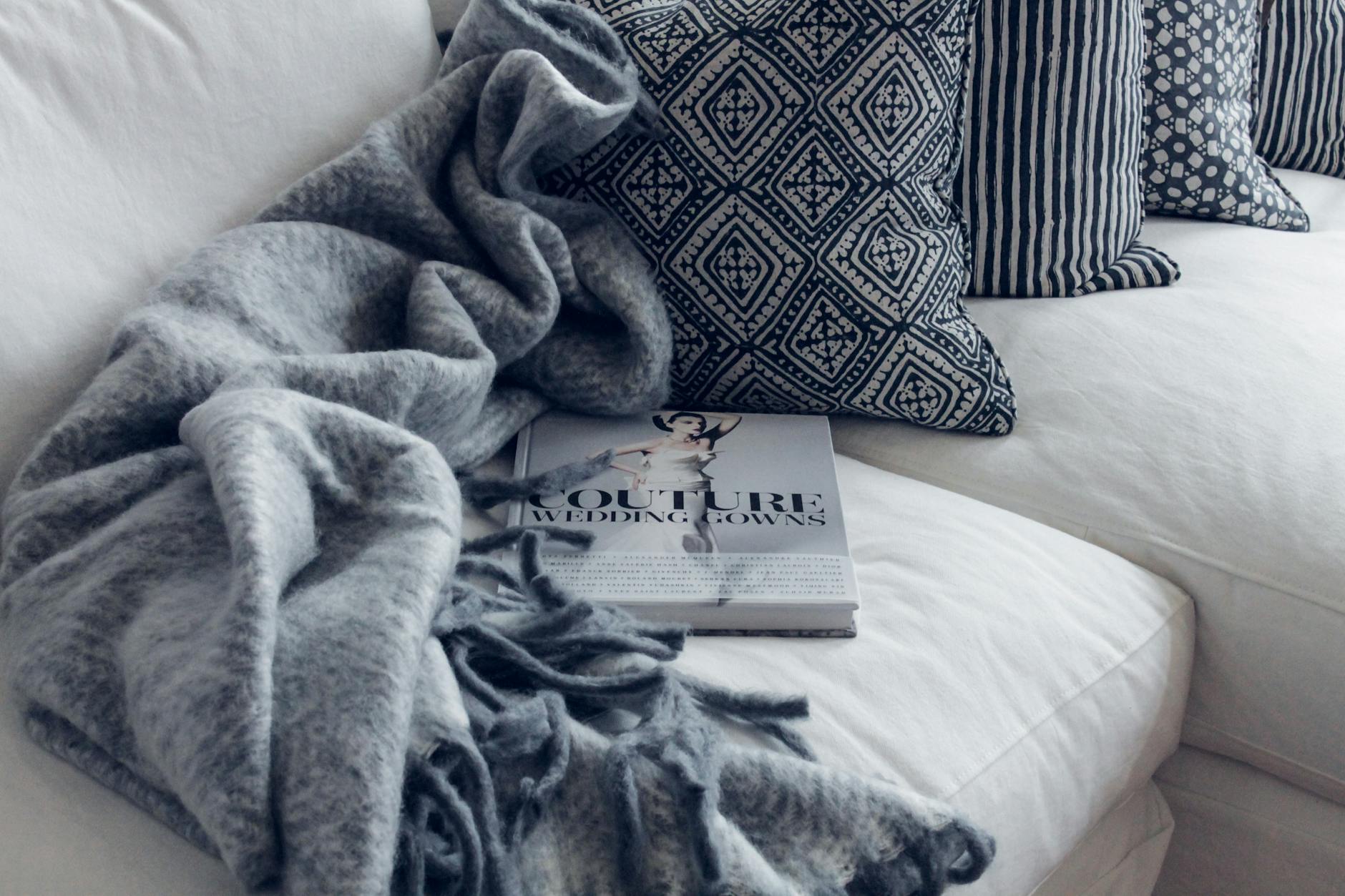
Beginner’s Guide to Choosing a Cozy Throw Blanket
Selecting the right throw blanket is not merely a matter of aesthetic preference; it is a calculated decision about tactile experience, thermal regulation, and spatial design. We are seeking a textile object that integrates seamlessly into the living space, modulating temperature and visual texture simultaneously. Understanding the mechanics behind material selection and color theory allows us to engineer true coziness rather than just applying surface decoration. This comprehensive guide dissects the variables involved in making that perfect choice for your home.
Deconstructing Textile Mechanics: Material Selection
The foundation of a cozy blanket lies in its material composition and weave structure. Different fibers interact with body heat and ambient air in fundamentally distinct ways, dictating how warm or soft an object actually feels against the skin. We observe that natural fibers possess superior thermal regulation capabilities compared to many synthetic alternatives.
Fiber Science: Wool vs. Cotton vs. Faux Fibers
Wool presents a compelling case for thermal performance. Its crimped fiber structure creates thousands of tiny air pockets, which trap air efficiently, providing excellent insulation even when the surface temperature is low. This natural property allows wool to wick moisture effectively while maintaining warmth—a critical mechanism in regulating body temperature fluctuations. Cotton, while supremely soft and breathable, manages heat differently; it absorbs moisture and can feel clammy when damp, requiring careful consideration of its weight and weave density.
Synthetic materials like polyester offer specific benefits related to durability and cost efficiency, but their thermal performance depends entirely on the filament structure. High-quality microfiber fleece is effective at trapping air, creating a soft, dense surface layer that mimics the comforting sensation of heavier materials. However, when assessing long-term coziness, one must evaluate the material’s breathability alongside its insulating capacity. We see that the final thermal experience is a dynamic interplay between loft (the thickness), fiber density, and weave pattern.
Analyzing Weave Patterns and Texture
The way a textile is constructed directly impacts its functional performance. A tightly woven, high-density knit creates a dense surface that offers superior insulation against cold air ingress, making it ideal for winter layering. Conversely, an open, loosely woven fabric allows for greater airflow, which can feel airy and light, though this sacrifices maximum thermal retention. When selecting your blanket, examine the yarn thickness; thicker yarns generally translate to greater loft and perceived coziness.
The Psychology of Color in Creating Ambiance
Color selection operates on a psychological level when designing a cozy space. Certain hues trigger specific emotional responses related to warmth, relaxation, and security. Our analysis suggests that deep, saturated tones inherently signal coziness and enveloping comfort.
Tone and Temperature Perception
Deep jewel tones—think navy blues, forest greens, and rich burgundies—absorb light, creating an atmosphere of visual depth and intimacy within a room. These colors psychologically encourage the eye to relax, mirroring the physical sensation of being enveloped by warmth. Lighter, airy colors, such as cream or pale sage, function by reflecting ambient light, which can make a space feel more open and inviting, though they offer less psychological weight in terms of enveloping heat. We must consider the context; a deep charcoal blanket works beautifully in a minimalist setting, whereas a creamy ivory might be better suited to a maximalist design.
Coordinating Color Palettes
Successful layering involves establishing a cohesive chromatic strategy across all textiles. If you are pairing a heavy wool throw with lighter cotton linens, ensure the colors share at least one tonal element—perhaps an accent color found in your wall art or pillows. This intentional coordination prevents the space from feeling disjointed; instead, the materials work together to establish a singular mood. Think about how the blanket interacts with surrounding elements, such as the texture of the rug or the light emanating from layered lighting systems.
Practical Application: Integrating the Throw into Your Space
Choosing the right material and color is only half the process; integration into the physical space determines the final impact on coziness. We must consider scale, placement, and how the blanket functions within the overall décor scheme.
Sizing and Scale Considerations
The size of the throw directly impacts its function. A small throw serves as an accent—a perfect finishing touch for a reading chair or bedside table. A larger blanket, however, transforms into an architectural element, capable of enveloping a sofa or entire seating arrangement, effectively defining a cozy zone. When planning how you will utilize your space, measure the furniture first. Observe the scale relationship between the blanket and the largest piece of furniture it will accompany; the visual balance dictates whether the space feels comfortably filled or awkwardly draped.
Placement Strategies for Maximum Impact
The location where you place the blanket fundamentally alters the perceived coziness level. Placing a throw over the arm of a sofa invites immediate tactile engagement, encouraging lounging. Draping a blanket artfully over an armchair creates an intentional focal point, inviting one to settle in and engage with the space. Consider how the blanket interacts with light sources, particularly when you employ layered lighting systems; soft shadows cast by a draped textile enhance the sense of depth and warmth. If you are designing a dedicated relaxation area, ensure the throw anchors that zone, perhaps complementing an arrangement designed for ultimate comfort, like those found in designing cozy reading nooks for your bedroom.
Building the Layered Comfort Environment
True home coziness emerges not from a single object but from the strategic layering of textures, weights, and light. We move beyond selecting one item to designing an entire sensory experience. This involves understanding how different elements interact to modulate the environment’s perceived temperature.
Texture as a Sensory Amplifier
Texture is arguably more important than color when achieving deep coziness. Rougher, nubby knits signal rustic warmth, while ultra-soft, high-pile velvets suggest decadent indulgence. Layering these varied tactile experiences prevents monotony and engages multiple sensory pathways simultaneously. Imagine layering a smooth, cool linen over a chunky, brushed alpaca knit; this contrast creates dynamic visual interest while offering varying degrees of thermal comfort across the surface. This textural dialogue is essential for a truly immersive environment.
The Role of Ambient Lighting
Light quality directly influences how we perceive warmth in a room. Harsh, direct overhead lighting disrupts any sense of softness. Layered lighting, utilizing warm-toned bulbs and indirect sources, allows shadows to soften surfaces and emphasizes the inviting nature of textiles. When you layer light effectively, you can make a simple throw blanket appear richer, deeper, and more enveloping than it is in flat, artificial light. Consider how ambient illumination interacts with your chosen materials; this interaction amplifies the cozy effect exponentially. For understanding how lighting affects mood, review our guide on the beginner’s guide to layered lighting for cozy homes.
Finalizing Your Cozy Throw Blanket Guide Strategy
To execute this strategy effectively, approach the selection process analytically. Determine your primary need: is it maximum thermal retention (favoring heavy wool), supreme softness (favoring high-quality cotton or cashmere blends), or sophisticated visual texture? Map these functional requirements against your existing décor palette. Measure the space and visualize where the blanket will anchor the design narrative. By treating the throw blanket as a functional piece of interior architecture rather than just decoration, you move beyond simple purchasing into intentional home curation. The resulting selection will not just cover furniture; it will actively contribute to the atmosphere of ultimate coziness.
Tags: throw blanket guide, home decor, cozy living, blanket selection, texture, color combinations, home textiles
Featured Image by Isabelle Taylor on Pexels.