
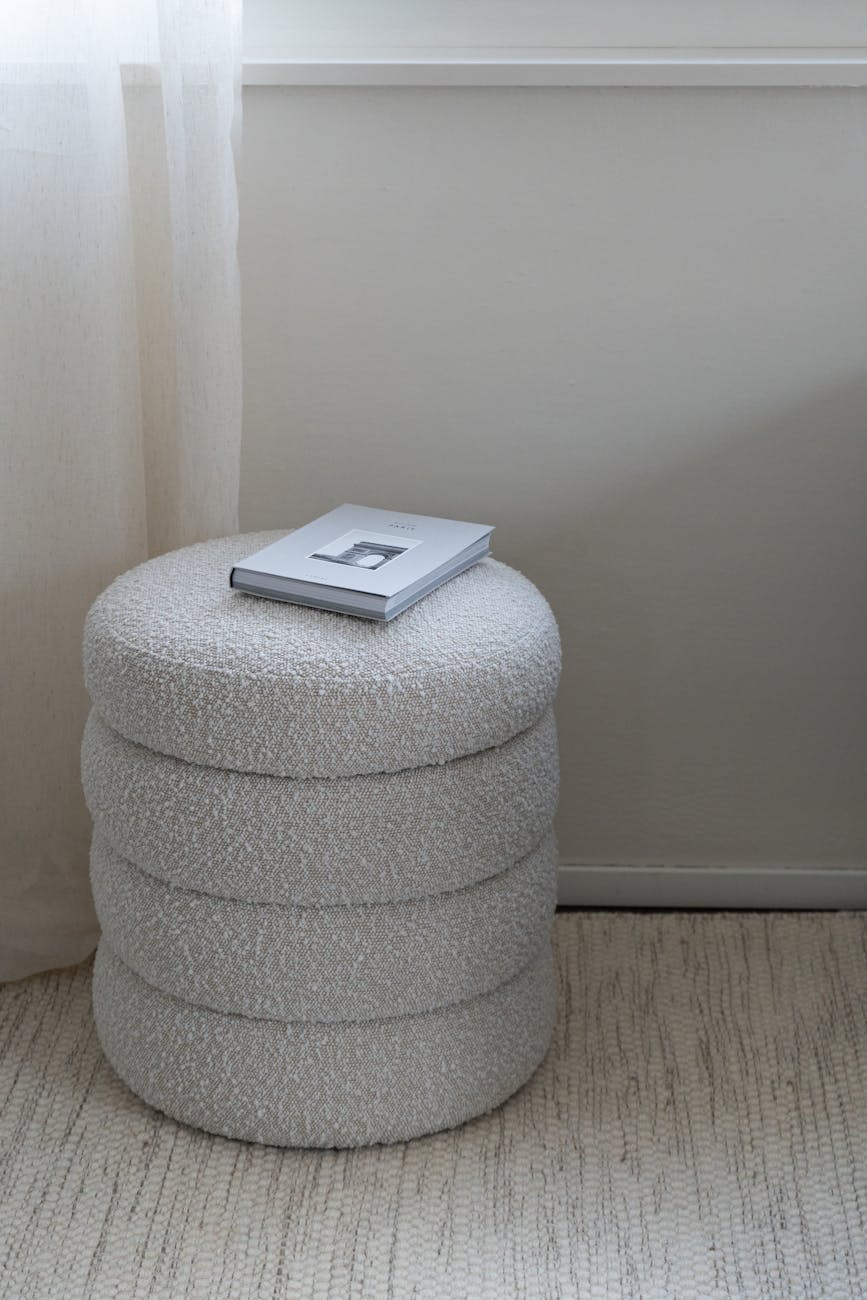
Mix Velvet, Boucle, and Wool for Ultimate Cozy Textures
The pursuit of a truly cozy living space hinges less on selecting individual pieces and more on understanding the dynamic interaction between surface textures. We observe from the data that monolithic surfaces rarely achieve the depth required for authentic hygge; instead, complexity in tactile layering creates an immersive sensory experience. Mastering the art of **mixing textures living room decor** involves manipulating how light interacts with different fibers, establishing a visual hierarchy that signals immediate comfort to the occupant.
Deconstructing Textile Dynamics for Sensory Richness
When we introduce materials like velvet, boucle, and wool into a single design scheme, we are not simply adding decorative elements; we are engineering a tactile environment. Each material possesses a unique light-absorbing and reflecting property, which dictates the room’s perceived warmth. Velvet, for example, utilizes a pile structure that traps light, resulting in deep, saturated shadows, making it inherently rich and enveloping. Boucle, characterized by its looped, nubby surface, introduces an organic, three-dimensional texture that invites touch and visual exploration simultaneously. Wool, meanwhile, offers a soft, matte finish with excellent thermal regulation properties, grounding the entire composition with natural, breathable comfort.
We see this interplay constantly when designing spaces meant for relaxation. The juxtaposition of these materials prevents any single texture from dominating the visual field; instead, they engage in a subtle, ongoing conversation across the room. This textural dialogue is crucial because it mimics the complexity of natural environments, which our brains are hardwired to associate with safety and repose.
The Mechanism of Light and Shadow Play
The way light interacts with these varied surfaces dictates the mood of any space. Velvet’s light absorption creates pools of deep color, enhancing the sense of enclosure when draped over a sofa or accent chair. Boucle, due to its uneven surface topography, scatters light in a diffuse manner, creating soft highlights that prevent harsh reflections. Wool’s inherent softness diffuses light gently across its expanse, introducing an understated luminosity. When you successfully mix these three elements, you achieve a sophisticated modulation of light that shifts subtly throughout the day, preventing the room from feeling flat or overly saturated in any single area.
This intentional manipulation of shadow depth is a key component of creating layered coziness. Consider how this principle translates across different areas of the home. The warmth established in the living room can be extended to other spaces; for instance, applying similar principles to bath linens creates an immediate sense of sanctuary, much like the approach taken when designing **Hygge Bathrooms: Creating Cozy Nooks with Warm Light & Texture**.
Strategic Application in Living Room Decor
Applying these textural principles effectively requires a strategic deployment, moving beyond mere placement to focus on intentional layering. We analyze how these materials function structurally within a seating arrangement to maximize their impact. A typical living room setup involves large anchor pieces—sofas, rugs, and statement furniture—which serve as the foundation for the textural story.
Anchoring the Space with Foundational Textures
Start by establishing the largest areas using one of the primary textures. A velvet sofa provides an immediate sense of luxurious depth against which other elements can play. Next, introduce boucle in accent pieces like throw pillows or accent chairs. This introduces the necessary organic, tactile interruption that prevents the room from feeling too formal. Wool then serves as the grounding element, perhaps through a chunky knit throw blanket draped over the arm of the sofa or a substantial area rug.
The successful implementation lies in balancing the visual weight. If all elements are overly saturated with high-pile velvet, the space risks becoming heavy. Introducing the matte texture of wool provides necessary visual rest, allowing the eye to settle. The nubby texture of boucle offers tactile interest without demanding excessive visual focus. This balance ensures that the overall effect is rich and inviting rather than overwhelming.
Layering for Depth: Beyond Surface Level
True coziness emerges when textures are layered, not just placed side-by-side. Think about how textiles interact in a single vignette. A velvet throw draped over a boucle armchair creates immediate textural tension. This juxtaposition signals intentional design sophistication. We move beyond simply placing items; we orchestrate their relationship to one another.
This layering technique is vital for achieving that deeply immersive feeling many seek in their interiors. It mimics the way natural textiles exist in a layered environment, offering different degrees of insulation and visual warmth simultaneously. When considering sanctuary spaces, such as those designed for unwinding, understanding this textural depth becomes paramount; it shifts the perception from mere decoration to genuine sensory experience.
Material Properties and Thermal Implications
Understanding *why* these materials feel cozy requires examining their physical properties beyond their aesthetic appeal. Texture is intrinsically linked to thermal perception. Soft, high-pile materials like velvet trap a layer of air close to the skin, enhancing the sensation of warmth, even if the ambient temperature remains unchanged. Wool fibers excel in this capacity; their natural crimp creates microscopic air pockets that provide excellent insulation against temperature fluctuations.
Boucle presents an interesting dynamic regarding thermal perception. While it is visually soft and inviting, its structure offers a different kind of tactile engagement—a slight resistance that engages the skin differently than smooth velvet or soft wool. This subtle textural friction adds complexity to the sensory input; it stimulates touch in a nuanced way.
When designing for comfort, we must account for both visual warmth and physical insulation. A room that is visually rich through texture, yet physically insulating through material choice, achieves a state of true, sustained coziness. This principle extends beyond furnishings into creating functional sanctuaries; the intention behind selecting materials directly impacts how the body perceives its environment.
Achieving Sanctuary Through Textural Intent
Creating an atmosphere of deep relaxation requires more than just beautiful fabrics; it demands intentional design choices that prioritize sensory comfort. The process of **mixing textures living room decor** becomes a deliberate act of sensory curation. We are selecting fibers based on their capacity to modulate light, invite touch, and offer perceived warmth.
When we apply this analytical approach to other areas, the results become more profound. For example, when designing spaces focused on restorative calm, such as creating a personal retreat, the texture becomes a direct conduit to that feeling. The deliberate choice of materials influences the psychological state achieved within those boundaries. This is why the attention paid to textiles in a bathroom space, where water and temperature play major roles, mirrors the importance of material selection in the living area.
The transition from functional design to immersive experience happens when we stop thinking about individual objects and start analyzing their collective sensory output. By understanding how velvet absorbs light, how boucle diffuses it, and how wool regulates warmth, we gain the tools to engineer spaces where ultimate coziness is not an accident but a meticulously constructed reality. This layered approach transforms simple decoration into profound living.
Tags: velvet decor, boucle fabrics, wool textiles, living room design, cozy home, fabric mixing, texture layering
Featured Image by Lena Eggler on Pexels.