
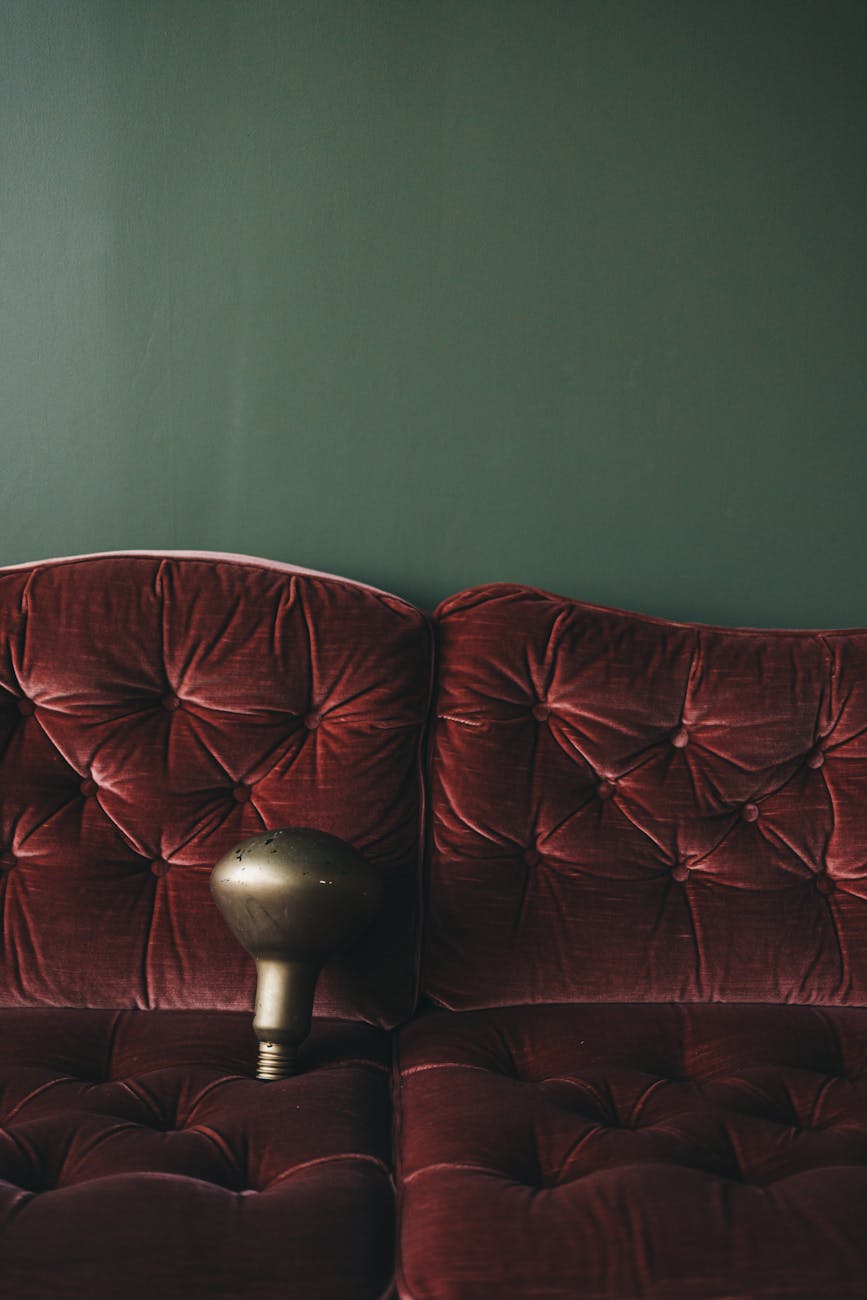
The Psychological Impact of Deep Jewel Tone Color Schemes
When we select colors for a space intended for relaxation, our subconscious processes immediately begin to register the visual input. Deep jewel tones—think emerald, sapphire, amethyst, and rich plum—do not merely occupy visual space; they actively modulate the ambient psychological state of an environment. We observe that these saturated hues trigger specific neurological responses related to depth, richness, and intimacy. This is not accidental; it is a direct result of how light interacts with pigment and how the human visual system processes those wavelengths.
The inherent density of these colors forces the eye to slow down its scan pattern. Instead of rapid movement across a pale or bright surface, the gaze settles into the depth offered by rich blues, greens, and purples. This deceleration mimics the slowing of physiological processes associated with rest. We are essentially programming the visual field to experience a sense of enclosure, which is the fundamental mechanism behind achieving true coziness.
Understanding Chromatic Depth and Sensory Experience
The mechanism at play involves chromatic saturation and value. A highly saturated color, such as deep sapphire, absorbs more light than a muted tone. This absorption creates a perceived density in the visual field. When this density is applied to interior surfaces, it generates an enveloping effect. It moves the room from a state of external exposure to internal sanctuary.
Consider the difference between a light sage green and a dark emerald. The former suggests openness; the latter suggests enclosure. We are leveraging this contrast to dictate mood. In practice, the deeper the tone, the more psychological weight it carries. This weight translates directly into perceived luxury. A room saturated with deep jewel tones signals intentional curation rather than mere decoration.
Applying Jewel Tones for Evening Ambiance
The goal when employing these color schemes is to engineer an evening atmosphere. Evening environments demand lower light levels and a sense of retreat. Deep colors excel here because they absorb ambient light, preventing the space from feeling exposed or overly bright under dimmer conditions. This creates an immediate sense of visual warmth, even if the actual thermal output remains constant.
We see this effect when pairing jewel tones with appropriate textures. A flat expanse of deep velvet, for instance, achieves a profound absorption that enhances intimacy. Conversely, introducing complex surfaces allows light to play across the material in nuanced ways. The interplay between matte and subtly reflective surfaces dictates whether the depth feels brooding or invitingly opulent.
Selecting Your Core Jewel Tone Palette
The specific tone you select determines the exact flavor of coziness you aim for. Emerald green, for example, connects us instinctively to nature and tranquility. Sapphire blue invokes a sense of deep, cool serenity. Amethyst offers a richer, more regal, almost mysterious depth. Plum introduces an element of warmth layered with sophistication.
When designing your evening retreat, analyze the desired emotional trajectory. If the objective is profound calm, sapphire dominates the palette. If the aim is enveloping warmth and richness, plum or deep burgundy tones become primary anchors. This analytical approach prevents arbitrary color selection; it roots the choice in psychological intent.
Integrating Textural Depth for Enhanced Coziness
Color sets the foundational mood, but texture executes the physical sensation of coziness. A visually rich jewel tone must be supported by tactile richness to fully engage the sensory system. Smooth surfaces alone do not replicate the feeling of being wrapped in a comforting embrace. Texture introduces the necessary friction and invitation that makes a space feel lived-in and safe.
The Mechanism of Tactile Engagement
The human skin registers surface variation through micro-reflections and physical interaction. Rougher, woven materials create shadows and highlights that stimulate visual interest, preventing the deep color from becoming flat or monolithic. When you introduce fabrics with varying weaves—velvet beside raw silk, for example—you are engaging multiple sensory pathways simultaneously. This multi-sensory input is what solidifies the feeling of true atmospheric comfort.
We observe that soft textiles interact with deep colors by diffusing the light hitting them, softening the hard edges of the color field. For instance, draping a heavy, brushed velvet over a seating area made from a sapphire-toned wall instantly shifts the perception from an architectural feature to an experiential zone. This tactile layering is essential for transforming mere decoration into true ambiance design.
Material Choices in Jewel Tone Environments
When working within the realm of jewel tones, the material selection must support the perceived luxury. Think about how materials handle light absorption and reflection across these saturated bases. Heavy wools, dense velvets, and rich silks absorb light beautifully, enhancing the evening mood by minimizing harsh reflections. These materials provide a sense of tangible weight that anchors the visual experience.
Consider juxtaposing these deep colors with natural elements for added grounding. Incorporating touches of raw wood or stone introduces an organic counterpoint to the intensity of the jewel tones. This contrast prevents the space from feeling overly synthetic or heavy; it adds an earthy resonance that balances the opulent color scheme. For example, pairing deep emerald velvet with accents of natural wood grounds the richness in something tangible and enduring.
We see this principle extend beyond walls. The materials chosen for furnishings must align with the intended mood. When you select fabrics, you are choosing how the body will physically interact with the environment throughout the evening. This deliberate material choice is a critical component of achieving holistic coziness. If you are focusing on intimate spaces like bathrooms, incorporating soft textiles becomes non-negotiable for creating that immediate sense of sanctuary.
Designing Spaces That Resonate: Beyond Surface Color
Achieving a truly cozy and luxurious environment requires understanding how the elements interact dynamically, not just applying isolated aesthetics. The effectiveness of any color scheme depends on its contextual integration with lighting, arrangement, and material dialogue. We move past simple application into complex spatial programming.
The Role of Layered Lighting
Lighting is the active agent that transforms a colored room into an evening sanctuary. Harsh overhead lighting eradicates depth instantly. To maximize the effect of deep jewel tones, you must employ layered, warm-toned illumination. Use dimmers extensively. Introduce ambient light sources—table lamps, sconces, and indirect LED strips—to graze the textures and allow the saturated colors to breathe in shadow.
Light that is low and diffused encourages the eyes to seek out depth within the shadows created by the deep hues. A soft amber glow reflecting off a velvet surface intensifies its richness without introducing glare. This interaction between light quality and material finish is where the magic of evening ambiance is fully realized. We are not just painting walls; we are sculpting the light that moves through them.
Spatial Arrangement and Focal Points
The placement of furniture dictates the flow of sensory experience within a space. For deep jewel tone schemes, arrange elements to encourage inward focus. Create defined cozy zones where the rich colors act as the backdrop for personal retreat. A seating arrangement oriented toward a warm light source, perhaps centered around a richly upholstered piece, becomes an immediate invitation to rest.
This arrangement directs the eye and body towards areas of heightened sensory engagement. When you pair deep colors with grounding elements, such as incorporating natural wood accents or rough stone features, these focal points become anchors for the experience. For instance, placing a plush area rug over polished wood flooring adds textural depth while simultaneously defining an intimate zone within the jewel tone envelope.
Synthesis: Creating Intentional Luxury
The ultimate success in employing **Jewel Tone Color Schemes** for cozy evening ambiance lies in the synthesis of these components. It requires moving past surface-level color choices and engaging with the physics of light, the psychology of saturation, and the physicality of texture. We are constructing an environment where every element serves the singular purpose of enveloping the occupant in warmth and sophistication.
This process is analytical. You select a base tone based on desired psychological effect; you layer textures to engage the skin; you modulate lighting to control visibility; and finally, you arrange the space to guide the experience toward deep, uninterrupted comfort. This intentional layering creates an atmosphere that feels deeply personal, richly layered, and undeniably cozy. We observe that this method moves beyond simple trend adoption into genuine spatial mastery.
Tags: jewel tones, cozy decor, evening ambiance, luxury colors, emerald, sapphire, deep plum
Featured Image by Lisett Kruusimäe on Pexels.