
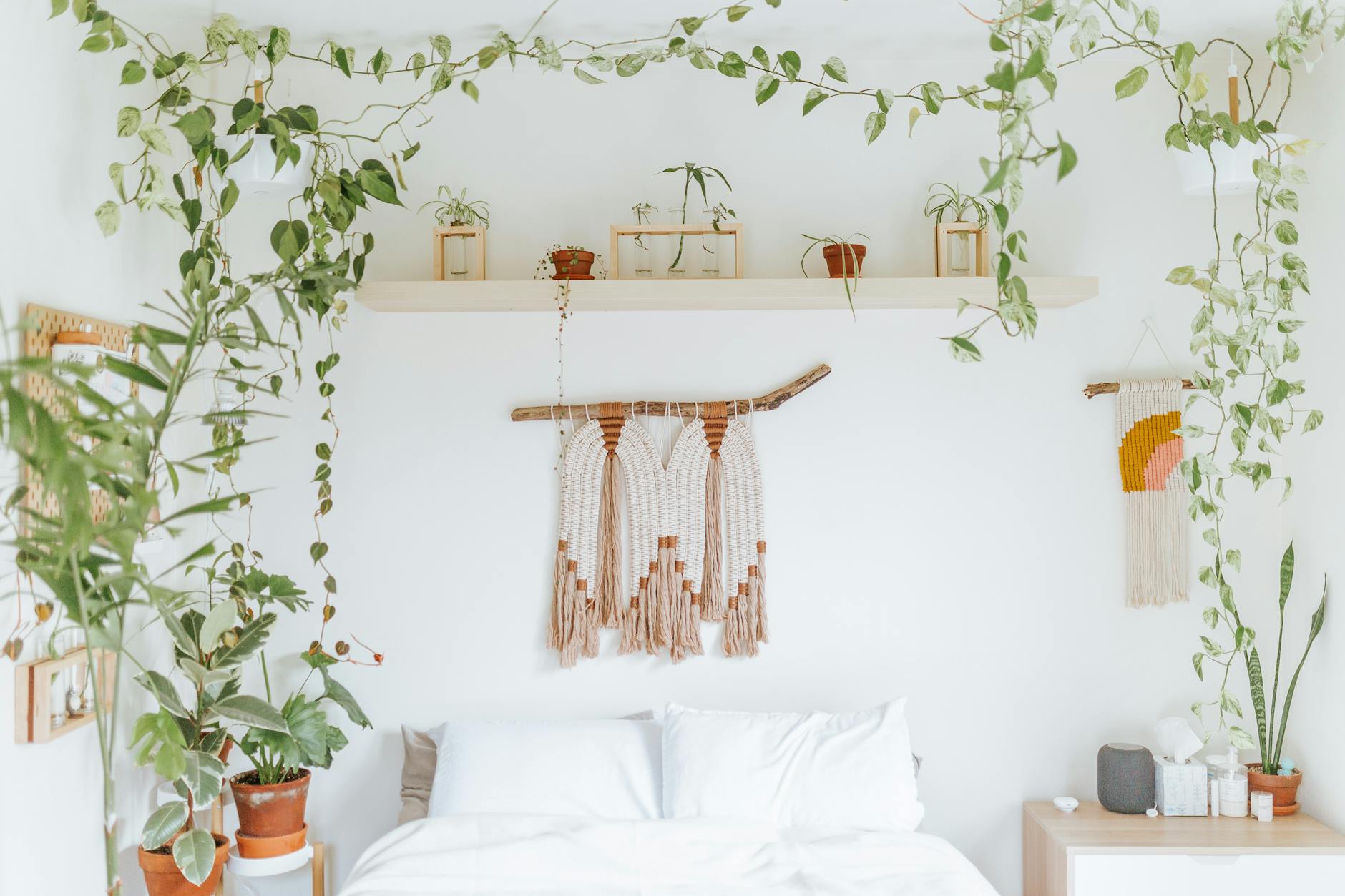
Cultivating Serenity: The Psychology Behind Botanical Wall Decor
We observe a distinct shift in interior design preference toward nature-infused aesthetics, especially within personal sanctuaries like the bedroom. This trend is not merely superficial decoration; it reflects a deeper psychological need for biophilic connection. When we introduce living or botanical elements onto our walls, we are engaging sensory systems that directly influence cognitive states. The mechanism at play involves reducing ambient stress markers and stimulating restorative neurological pathways.
The visual processing of natural forms has a measurable effect on the human psyche. Exposure to organic patterns, like the intricate veining of leaves or the soft gradients of mossy textures, triggers a primal sense of safety and familiarity. This is because our evolutionary history linked lush, green environments with survival; therefore, seeing these elements indoors activates a calming response, effectively lowering cortisol levels. We are not just decorating; we are engineering an environment that supports physiological regulation.
This understanding changes how we select wall coverings. A simple print is insufficient if it does not engage this inherent biological programming. The effectiveness of botanical art relies on the perceived authenticity of the organic structure, whether it is through photorealistic rendering or stylized abstract representation. We must analyze which visual density provides the most therapeutic return for the specific space.
Decoding the Impact of Biophilic Design in Sleep Environments
The bedroom functions as a primary retreat, demanding an atmosphere conducive to rest and deep recovery. Introducing botanical themes directly addresses the tension often found in high-stress modern living. Research consistently points toward the mitigation of sleep latency and improved sleep quality when natural elements are present in the visual field.
Consider the effect of color theory interacting with plant motifs. Deep greens, for instance, have been shown to possess a naturally soothing frequency that slows the heart rate. When juxtaposed with warm, earthy tones often found in wood or linen textiles, the resulting visual harmony creates a balanced sensory input. This synergy prevents the environment from becoming overstimulating, which is a common pitfall when employing high-contrast or overly saturated décor.
We find that incorporating natural textures amplifies this effect further. The tactile quality of the decoration—even if purely visual—suggests an organic, unhurried pace. This is where layering comes into play. If you select botanical prints, pairing them with materials like linen or raw cotton for bedding creates a holistic sensory experience that reinforces the tranquil intention of the décor choice. Examine how these textures interact; they create depth and invite tactile engagement beyond mere sight.
Selecting Botanical Art for Your Cozy Bedroom Wall Decor
The execution phase requires a careful calibration between aesthetic appeal and functional placement. Choosing the right botanical theme depends entirely on the desired level of visual immersion and the spatial constraints of the room. We analyze three primary approaches: maximalist density, subtle layering, and singular focal points.
Maximalist Density: Creating an Immersive Jungle Feel
For those seeking a deeply immersive experience, embracing a maximalist approach with botanical wall decor generates significant visual impact. This involves utilizing large-scale prints or creating gallery walls where various plant motifs interlock across the vertical plane. The mechanism here is visual saturation; the eye is constantly engaged by complex patterns, which can be highly stimulating yet profoundly captivating.
This strategy works best in larger rooms where the wall surface offers sufficient real estate to support the density without feeling cluttered. We observe that when executed correctly, these dense arrangements anchor the room, providing a sense of enveloping sanctuary. However, improper scale or poor print quality introduces visual noise instead of tranquility. Ensure that the botanical elements flow organically rather than appearing as disparate objects placed side-by-side.
Subtle Layering: Achieving Soft, Understated Elegance
A more understated approach focuses on integrating nature gently into the space, prioritizing soft, diffused visual cues for a truly cozy bedroom wall decor aesthetic. This strategy involves using smaller, repeating motifs or delicate line drawings across a single expanse of wall. The effect is one of quiet elegance; it signals an appreciation for nature without demanding intense focus.
This method works by allowing the eye to rest while still registering the natural theme. Think about framing botanical sketches or using muted watercolor prints. This subtlety complements softer materials, such as those mentioned in [Textural Tales: Layering Fabrics for Ultimate Cozy Ambiance (https://decorandliving.com/layered-textiles-cozy-ambiance/)], creating a seamless transition between the wall art and the soft furnishings. The result is an atmosphere of serene, understated luxury.
Singular Focal Points: Anchoring Tranquility
When space is limited or a more minimalist aesthetic prevails, focusing on a single, impactful botanical piece acts as a powerful anchor for the entire design. This approach concentrates the sensory experience into one deliberate area, allowing the rest of the room to maintain calm equilibrium. A large, dramatic piece of art featuring a sweeping vine or a dense floral arrangement commands attention effectively.
The choice here is about scale and impact. The artwork should possess enough visual weight to justify its placement without overwhelming the visual field. Analyzing the negative space around the chosen piece is crucial; ample breathing room ensures the botanical element functions as a focal point rather than an imposition. This technique works well when paired with natural materials, perhaps reflecting the spa-like calm found in [Spa Sanctuary: Luxury Bathroom Retreat with Stone & Botanicals (https://decorandliving.com/luxury-bathroom-spa-retreat/)], extending that sense of restorative peace throughout the dwelling.
Materiality and Texture: Deepening the Botanical Narrative
The interaction between the visual layer (the wall art) and the tactile layer (the textiles and finishes) dictates the final success of a cozy bedroom wall decor scheme. A botanical print on flat, cold paint lacks the necessary warmth that defines true coziness; we must introduce material complexity to bridge this gap.
We move beyond simple pattern matching when considering materiality. The physical experience of the space must be as rich as the visual information presented. Incorporating natural fibers—linen, organic cotton, wool—introduces a soft resistance and inviting surface quality. This tactile engagement reinforces the psychological connection established by the botanical imagery. When you physically touch a soft throw or crisp bedding, the brain registers comfort, which feeds back into the calming effect initiated by the wall art.
Consider how different textures mediate the visual information. Rougher textures, like woven jute or matte plaster finishes, provide an organic backdrop that enhances the naturalism of the artwork. Smooth, cool surfaces, like polished wood, offer a grounding contrast. This textural interplay prevents the space from feeling flat or purely decorative; it creates depth where the eye and hand can explore.
Integrating Botanical Themes with Natural Finishes
The choice of wall finish plays a critical role in anchoring the botanical theme. Matte finishes absorb light gently, preventing harsh reflections that could disrupt the serene atmosphere we are aiming for. A soft, matte white or a muted sage green acts as an ideal canvas, allowing the greens and earth tones within the artwork to emerge with subtle depth rather than stark contrast.
When working with darker botanical prints, grounding the wall in a deep, rich tone—such as charcoal or deep forest green—enhances the sense of enclosure and intimacy essential for a cozy retreat. This dark base allows the lighter, intricate details of the plant life to pop forward, creating a dramatic yet intimate effect. We are utilizing light and shadow not just decoratively, but functionally, to sculpt the mood of the room.
The overall process demands an analytical approach: map out your desired emotional state first, then select the appropriate visual density, and finally layer in tactile materials that confirm that initial feeling through physical experience. This integrated methodology ensures the resulting botanical wall decor transforms the space into a truly restorative sanctuary for sleeping and unwinding.
Tags: bedroom decor, botanical art, wall hangings, cozy home, nature decor, bedroom design, wall art
Featured Image by Cole Keister on Pexels.