
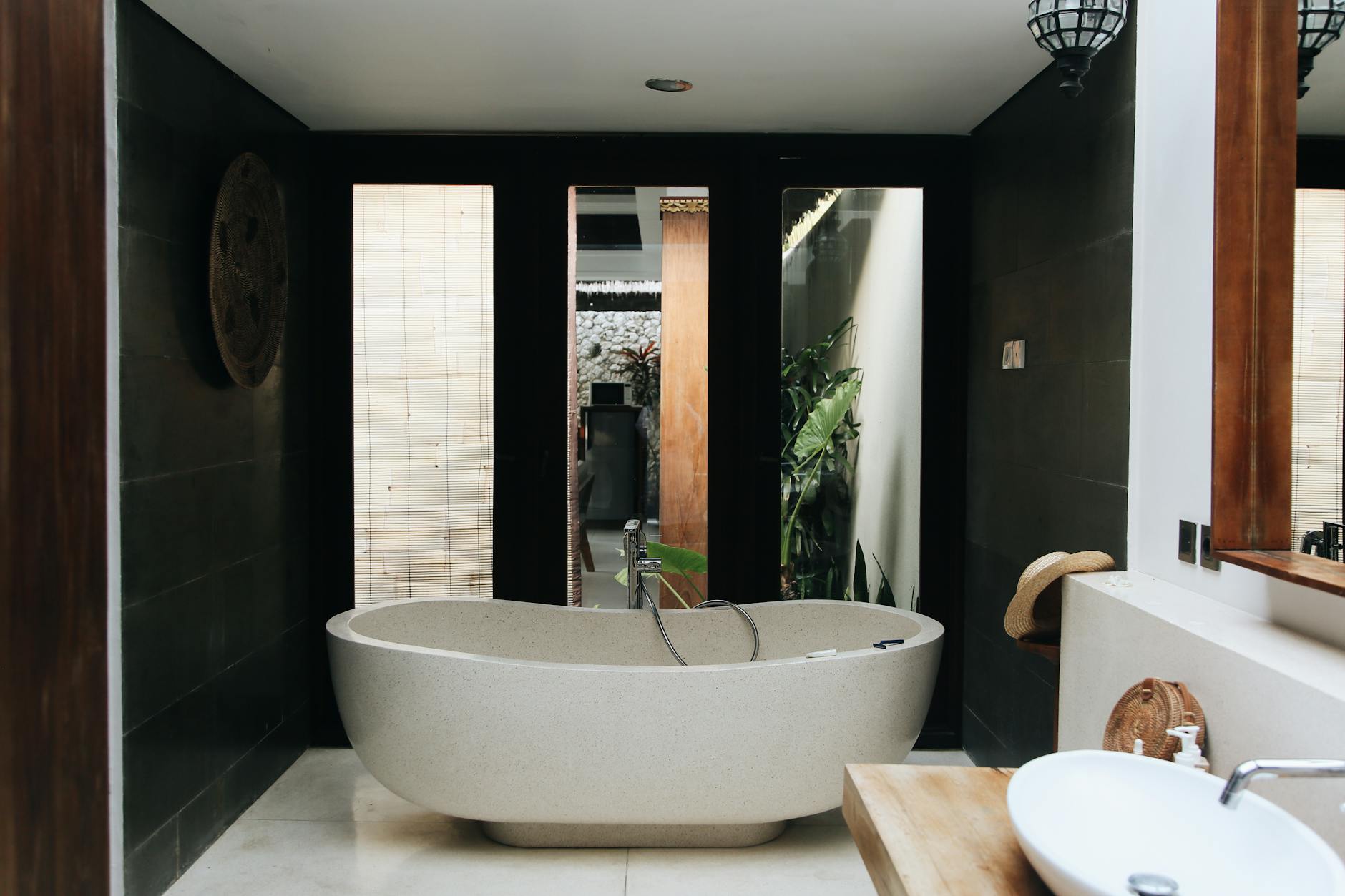
The Science of Sanctuary: Engineering Your Spa Bathroom Decor
We often conceptualize the bathroom as purely a functional space for hygiene; however, when we apply principles of sensory design, it transforms into an intentional sanctuary. Achieving that high-end spa aesthetic is not about accumulating expensive fixtures alone. It involves manipulating light, texture, and scent to recalibrate the psychological state of the occupant. Understanding the mechanics behind this transformation allows us to engineer a truly serene retreat using elements that engage our primal sense of comfort.
Illuminating the Space: The Mechanism of Soft Lighting
The most immediate shift in atmosphere occurs through the manipulation of illumination. Harsh, high-CRI (Color Rendering Index) lighting mimics clinical environments, directly contradicting the desired spa feeling. We observe that warm-toned, diffused lighting—typically below 3000 Kelvin—signals safety and relaxation to the visual cortex. This lower light temperature encourages the production of melatonin, a hormone essential for winding down, effectively signaling to the brain that it is time to decompress.
The placement of light sources is critical in this process. We move away from single, overhead fixtures toward layered illumination. Incorporating dimmers allows occupants to modulate the intensity based on their activity, moving seamlessly from bright functional use to deep, ambient repose. Consider how strategically placed LED strips behind mirrors or under vanities can introduce a gentle glow that softens hard architectural lines. This technique leverages shadow play; soft shadows reduce visual harshness, making the space feel enveloping rather than exposed.
Textural Layering: Engaging the Tactile Sense
The tactile experience of a spa environment relies heavily on material selection and layering. A room feels luxurious when it offers varied resistance to the touch. Smooth, cold surfaces should be balanced by richly textured materials that invite lingering. We see this principle applied rigorously in bathroom design where materials interact directly with daily ritual.
Consider the application of textiles. Using plush bath mats, thick cotton towels, and woven rugs introduces depth that visual patterns alone cannot achieve. When layering fabrics, we create pockets of sensory comfort. For instance, pairing a smooth marble vanity with a heavily textured linen towel creates an immediate tactile contrast. This intentional juxtaposition engages the somatosensory system directly, grounding the user in physical comfort. Exploring methods for layering fabrics for ultimate cozy ambiance demonstrates how simple material choices can significantly elevate perceived luxury and tranquility.
Botanical Accents: Connecting Space to Nature
Introducing natural elements serves a profound psychological function. The presence of living or realistic botanical accents triggers an innate human response toward nature, which research confirms reduces physiological stress markers. This connection moves the space beyond mere decoration into an immersive environment.
Incorporating lush greenery, whether through actual plants or high-quality botanical prints, introduces organic curves and life into rectilinear bathroom spaces. We observe that the presence of natural forms mitigates feelings of clinical sterility. The visual complexity offered by foliage provides a focal point for the eye, diverting attention from functional necessities toward aesthetic pleasure. This strategy works because our evolutionary programming associates natural environments with safety and well-being.
Designing for Reflection: Creating Zones of Calm
The concept of creating distinct zones within a single room is essential for achieving that retreat atmosphere. A spa bathroom should function as more than just a washing area; it must be an environment dedicated to decompression. We can engineer this by defining specific areas for different activities.
Developing a reading nook within the bathroom space, perhaps tucked beside a large window or in a recessed alcove, transforms a functional zone into a dedicated space for repose. When designing such features, we focus on enveloping comfort; soft seating and ambient lighting must integrate seamlessly. Exploring ideas like the Hygge Bathroom Reading Nook provides a framework for how these intimate zones can be constructed using soft materials and diffused light sources to maximize restorative potential.
Materiality and Finish: The Foundation of Serenity
The choice of fixed materials dictates the long-term feel of the space. Stone, wood tones, and matte finishes contribute significantly to the overall mood. Highly polished surfaces reflect light aggressively; conversely, matte finishes absorb light gently, fostering a more intimate atmosphere suitable for relaxation.
We analyze how material reflectivity impacts mood. Darker, matte stone or wood imparts a sense of grounding stability, while lighter, honed materials allow light to diffuse softly across the surface. This choice affects how occupants mentally categorize the space. Selecting materials that feel cool and smooth against the skin reinforces the sensation of a refreshing, clean environment, which is foundational to any successful spa aesthetic.
Scent as an Atmospheric Layer
The olfactory experience remains one of the most potent, yet often overlooked, tool for atmosphere control in interior design. Scent engages the limbic system directly, linking environmental cues to memory and emotional states with remarkable speed. Selecting essential oils or diffusers is not simply about masking odors; it is about actively programming the room’s psychological tone.
Earthy, herbaceous scents—like lavender, eucalyptus, or cedarwood—have been shown to induce calm when introduced at appropriate concentrations. The process involves selecting scent profiles that resonate with themes of tranquility and cleansing. This sensory input works by activating memory pathways associated with relaxation, effectively shifting the occupant from a state of alertness to one of peaceful surrender.
Synthesis: Integrating Elements for the Ultimate Retreat
Creating an authentic spa bathroom decor requires synthesizing these disparate elements into a coherent system. The soft lighting sets the foundational mood; the tactile textiles invite physical rest; the botanical accents provide organic visual relief; and the scent provides the final, deeply embedded sensory layer. We observe that true serenity emerges not from applying isolated trends but from understanding the interplay between these systems.
When designers integrate these components—using warm light to accentuate rich textures, placing living elements strategically, and programming the olfactory environment—they are executing a deliberate psychological architecture. This results in an environment where every element works in concert to reduce cognitive load and promote deep relaxation. The resulting space functions as a personal retreat, a place where the demands of the outside world dissolve into soft, intentional comfort.
Tags: spa bathroom decor, bathroom design, cozy home, botanical decor, soft lighting, bathroom inspiration, spa aesthetic
Featured Image by alleksana on Pexels.