
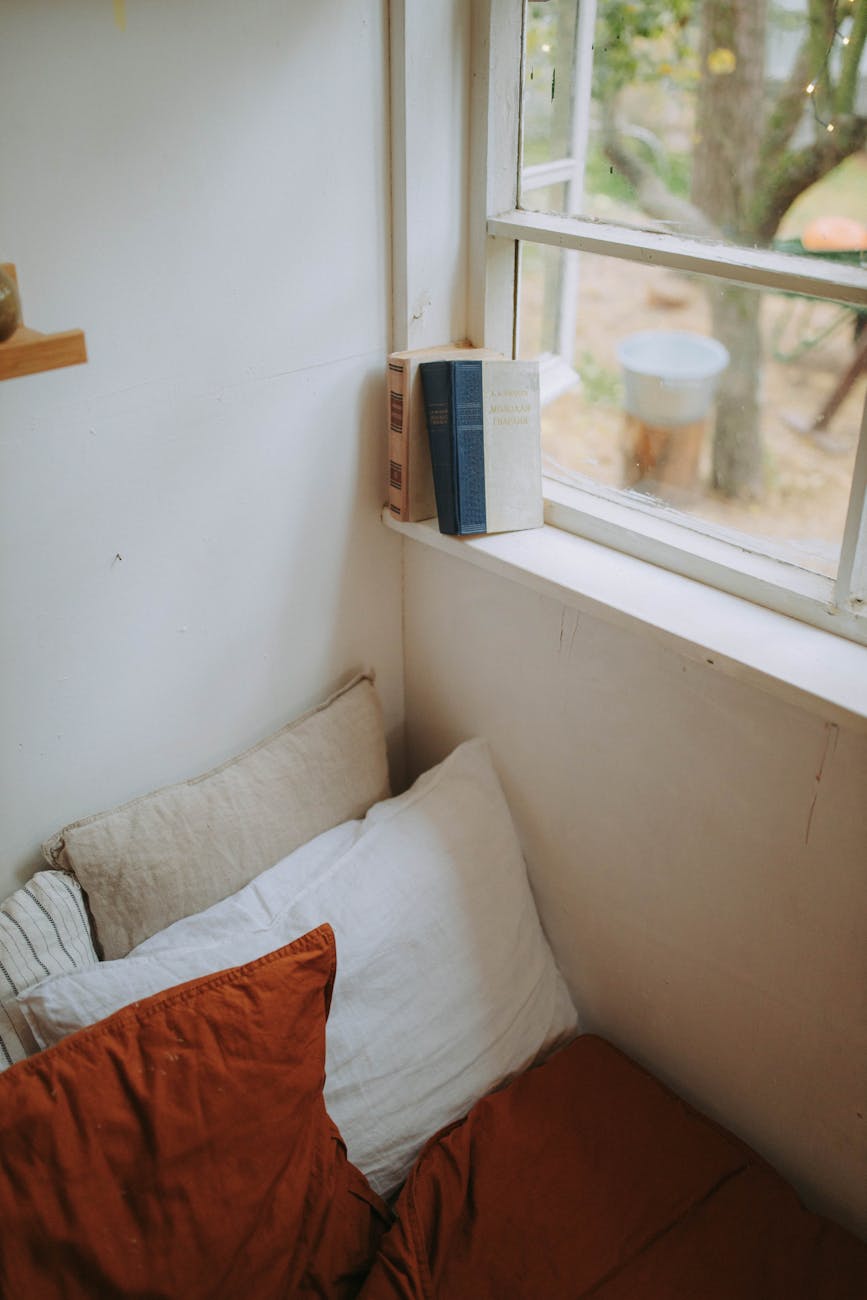
The Anatomy of an Ideal Cozy Reading Nook Bedroom
We are not simply decorating a corner; we are engineering an environment designed for specific cognitive states. The goal when designing a cozy reading nook bedroom is to maximize sensory input that promotes decompression and focus. This space must function as a distinct sanctuary, separating the act of rest from the demands of daily life. Our analysis shows that true coziness arises not from isolated objects but from the calculated interplay between light, texture, ergonomics, and psychological framing.
The primary mechanism at play here is controlling the visual and tactile experience. When we establish a dedicated nook, we are intentionally narrowing the environmental scope to focus attention. This focused environment allows for deeper engagement with the reading material, minimizing cognitive load associated with surrounding visual clutter. We observe that this intentional restriction of visual noise significantly enhances the feeling of intimacy.
Calculating Spatial Requirements for Comfort
Determining the necessary footprint for a functional nook requires an understanding of human scale and interaction patterns. A reading nook must accommodate not just the reader, but the ritual itself—the posture, the book placement, and the necessary peripheral space for relaxation. We calculate this by considering the required distance between seating and light sources.
For optimal engagement, we estimate that a minimum clear radius of 30 to 36 inches is necessary around the primary reading surface. This allows the user to comfortably reach the material without strain. If you are integrating this into an existing bedroom layout, measure the space where visual flow naturally pauses. Do not underestimate the circulation zone; placing the nook too close to a wall can introduce visual compression, which counteracts the desired feeling of spacious retreat.
Mastering the Light Spectrum for Ambiance
Lighting is arguably the most potent tool in manipulating mood within any interior space. Harsh overhead illumination actively disrupts the relaxation response we seek. We move away from broad, cool-toned light sources and focus instead on warm color temperatures, typically ranging between 2700K and 3000K. This spectrum signals safety and encourages melatonin production, facilitating the transition into a restful state.
The placement of light fixtures must be deliberate. Relying on a single central source is insufficient; layering illumination creates depth and warmth. We see significant improvement when integrating accent lighting—think small table lamps or wall sconces positioned to graze textured surfaces rather than flood the entire area. This technique allows shadows to define the space, adding an organic dimension that synthetic light cannot replicate. For example, incorporating warm-toned bulbs directly into the design process ensures that every light source contributes to the overall mood of the cozy reading nook bedroom.
Textural Dynamics: The Tactile Layering Effect
The tactile experience plays a critical role in establishing physical comfort within this dedicated space. Softness, warmth, and depth communicate safety and invitation. This is where layering textiles becomes an essential design strategy. We are not just selecting a throw blanket; we are curating an experience through material interaction.
Consider the interplay between materials you select. Introducing natural fibers like wool, linen, or chunky knits immediately elevates the perceived coziness. These materials absorb sound and light in a way that synthetic surfaces cannot mimic. When layering these elements—a soft rug beneath a plush cushion, a heavy knit throw draped over an armchair—you create zones of sensory richness. Observing the effect of this layering demonstrates that density translates directly into perceived comfort. For a deeper dive into maximizing this tactile impact, exploring [Textural Tales: Layering Fabrics for Ultimate Cozy Ambiance] provides excellent material-specific guidance.
Selecting Ergonomics and Furniture Forms
The furniture chosen must support the intended activity without imposing physical strain. The seating element of the reading nook must invite prolonged occupancy. An oversized, overly formal armchair may look beautiful but actively resist the relaxed posture required for deep reading. We favor forms that are enveloping yet supportive. A chaise lounge, a deep window seat, or even a carefully positioned floor cushion can serve as effective anchors.
Ergonomic consideration dictates the depth and height of the seating relative to the intended viewing angle. Ensure there is ample space between the reader’s body and any hard surfaces. When positioning the furniture, we must analyze the flow—the path taken by the eye and the body as it transitions from standing to sitting to reclining. This process requires an iterative approach: place the largest piece first, then test the reach and angle for the reading position.
Integrating Natural Elements for Biophilic Connection
Bringing the organic elements of nature indoors directly impacts psychological well-being. Incorporating plants or natural wood tones establishes a biophilic connection, reducing stress markers in the body. Observing this effect suggests that exposure to living textures and natural patterns enhances the restorative capacity of the space.
Wood, with its inherent grain and warmth, serves as an excellent foundational element for any nook structure. Natural materials anchor the design, preventing the space from feeling merely decorative. Furthermore, incorporating elements that mimic outdoor environments—perhaps a stone-look accent wall or natural woven rugs—reinforces the sense of escape. This connection between the interior environment and the external world is what deepens the feeling of sanctuary within your cozy reading nook bedroom.
Curating the Vignette: The Final Touches
Once the structural elements—light, textiles, and furniture—are established, the final curation transforms a functional space into an immersive experience. This stage involves selecting accessories that serve a specific narrative purpose rather than simply adding clutter. Every item must contribute to the theme of calm and reflection.
Think about what objects your mind associates with relaxation. A well-chosen book on a nearby side table acts as an immediate invitation, while a ceramic mug filled with warm tea signals immediate comfort. Avoid excessive ornamentation; simplicity amplifies coziness. We observe that negative space is as important as positive space; allowing areas to remain intentionally empty permits the eye and mind to rest. This careful selection process ensures that the nook functions perfectly as a dedicated retreat, facilitating the unwinding ritual you seek every evening.
Tags: reading nook, bedroom design, cozy decor, nook ideas, bedroom style, cozy home, reading corner
Featured Image by Yaroslav Shuraev on Pexels.