
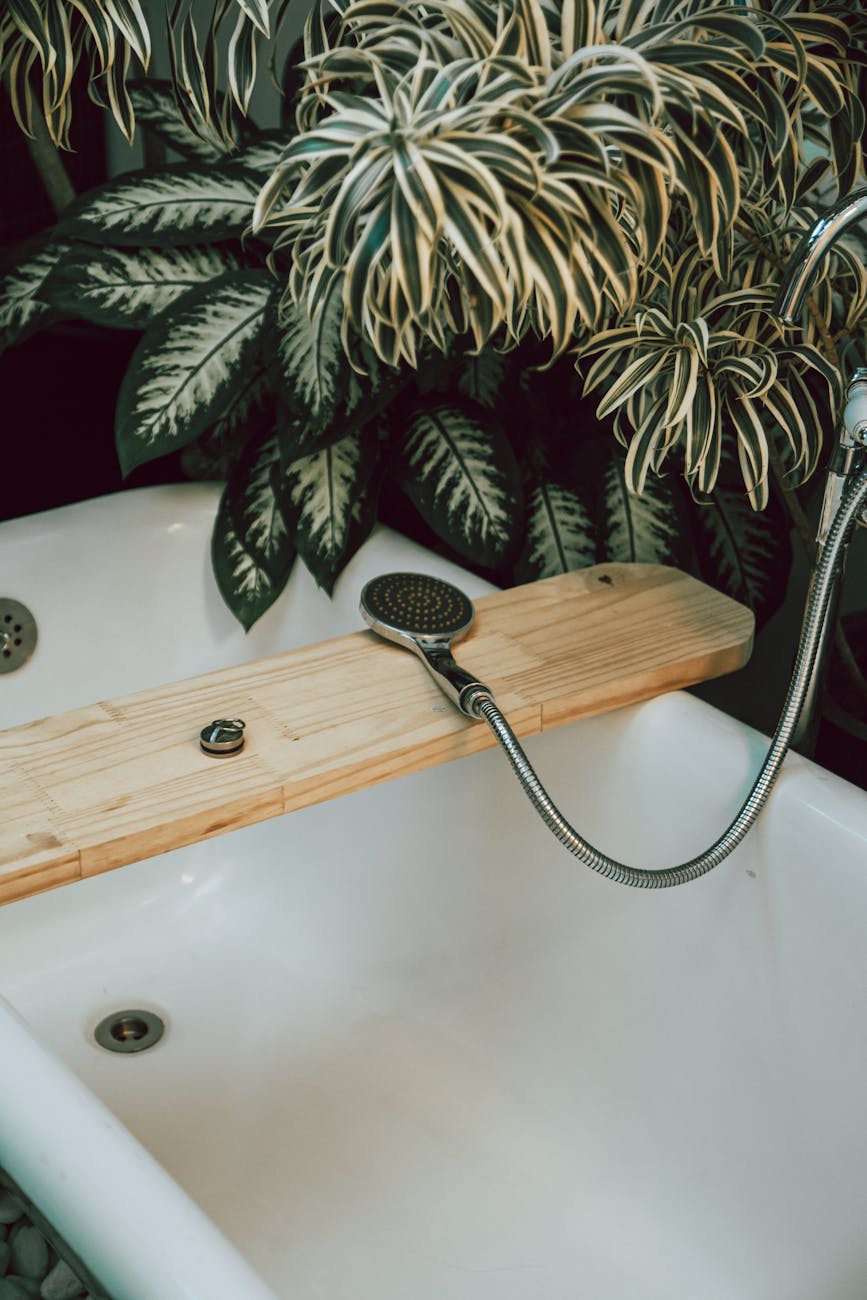
Cultivating a Botanical Sanctuary Within Your Walls
The objective when redesigning a bathroom transcends mere aesthetics; we are engineering an environment designed for physiological restoration. We aim to transition the space from a utilitarian zone into a genuine sanctuary, a place where sensory input promotes calm and grounding. Achieving this transformation hinges on manipulating light, texture, and organic presence. This is the fundamental mechanism behind successful natural bathroom decor.
We observe that the choice of palette directly influences mood regulation. Earthy tones—deep moss greens, warm terracotta, muted sage, and creamy oatmeals—are not arbitrary selections; they resonate with natural landscapes, triggering a primal sense of security in the human observer. When we introduce these colors onto surfaces, we establish an immediate psychological rapport. The visual noise decreases, allowing the sensory experience to focus on tactile sensation rather than visual clutter.
The Mechanics of Natural Textures
Texture is perhaps the most potent tool in creating an immersive natural space. Hard, sterile surfaces generate visual tension; organic materials introduce necessary softness and depth. Consider the application of materials like unfinished wood, raw linen, woven jute rugs, or matte ceramic tiles. These textures engage the sense of touch immediately. When a guest walks into the room, the varying tactile feedback signals an invitation to slow down.
We find that layering textiles achieves this effect exceptionally well. Placing a thick, nubby bath mat over smooth tile introduces necessary topographical variation. Similarly, using woven bamboo or rattan for shelving or accent pieces introduces organic linearity against rigid architectural lines. This juxtaposition of rough and smooth creates dynamic visual interest, preventing the space from feeling flat or overly sterile. For those looking to elevate their space with tangible quality, exploring options like [Luxurious Bathroom Upgrades: DIY & High-End Accessories] reveals how thoughtfully sourced materials dictate the perceived value of a room.
Integrating Living Elements for Biophilic Design
The incorporation of live plants moves the decoration process from static arrangement to dynamic ecosystem management. Plants are not merely decorative objects; they are biological anchors that connect the interior space with the external world. This concept, biophilic design, leverages the innate human tendency to seek connection with nature. We see a measurable reduction in perceived stress when exposure to greenery is increased, according to environmental psychology studies.
The placement of plants must be intentional. Avoid placing foliage against stark white walls where the contrast can feel jarring. Instead, position larger specimens strategically to soften architectural edges or cluster smaller varieties on floating shelves. Consider ferns for their delicate structure and peace lilies for their broad, calming presence. Managing the light exposure is critical here; plants require adequate indirect light to maintain their vitality, which means positioning them near windows where light penetration is optimal. This deliberate arrangement transforms the bathroom into a breathing space, an active element rather than a passive backdrop.
Mastering the Color Palette: Earth Tones and Depth
The selection of color dictates the entire atmospheric calibration. A monochromatic scheme using only cool grays can feel clinical; it lacks the necessary warmth for true sanctuary creation. Therefore, introducing deep, saturated earth tones provides the required grounding. Think about how deep forest greens absorb light differently than bright emeralds, creating a richer, more enveloping atmosphere.
We analyze how these colors interact with reflective surfaces. Matte finishes absorb light softly, enhancing the sense of coziness. High-gloss surfaces reflect harsh glare, which counteracts the desired serenity. Therefore, selecting matte porcelain or stone for fixtures supports the earthy scheme perfectly. When designing your space, focus on creating depth through tonal variation rather than relying on high-contrast patterns. This subtle manipulation of light and shadow establishes an immediate sense of luxurious calm.
Sensory Layering: Beyond Sight and Touch
A truly spa-like experience engages all five senses simultaneously. Sight handles the visual composition, and touch addresses texture. We must then address scent and sound to complete the sensory immersion. The olfactory landscape of a bathroom significantly impacts its perceived atmosphere. Utilizing essential oils—cedarwood for grounding, eucalyptus for clarity, or lavender for relaxation—allows us to program the space with specific emotional responses upon entry.
Sound design is equally important. Minimize jarring noises. Soft furnishings absorb sound waves, mitigating echo and creating an auditory environment conducive to quiet contemplation. Choosing thick bath towels, soft rugs, and upholstered seating helps dampen reverberations. This sensory layering ensures that the bathroom functions not just as a place for hygiene, but as a deliberate retreat zone.
Designing Functionality with Organic Flow
The practical execution of natural bathroom decor requires integrating form with function seamlessly. Storage solutions should mimic organic shapes where possible, favoring open shelving made of reclaimed wood or woven baskets over opaque, angular cabinetry. This keeps the visual field open while providing necessary containment for grooming items.
We notice that built-in elements can be disguised effectively. Using natural stone or textured tile for shower niches blurs the line between architectural feature and decorative element. This approach ensures that every functional component contributes to the overall organic narrative rather than detracting from it. Thinking about how you organize your daily rituals within this space helps solidify the feeling of control and peace. If you are looking to introduce personalized, soft elements into your home décor scheme, exploring custom items like [DIY Cozy Knit Amigurumi: Custom Plushies for Your Home] offers a pathway to incorporating bespoke comfort directly into your environment.
The resulting space is not merely decorated; it is curated. It operates as a responsive environment that acknowledges the occupant’s need for rest and connection to nature. We shift the focus from simply decorating walls to architecting an atmosphere where every surface invites tranquility.
Tags: bathroom decor, spa bathroom, botanical decor, natural home, earthy tones, bathroom design, plant decor
Featured Image by Mateus Oliveira on Pexels.