
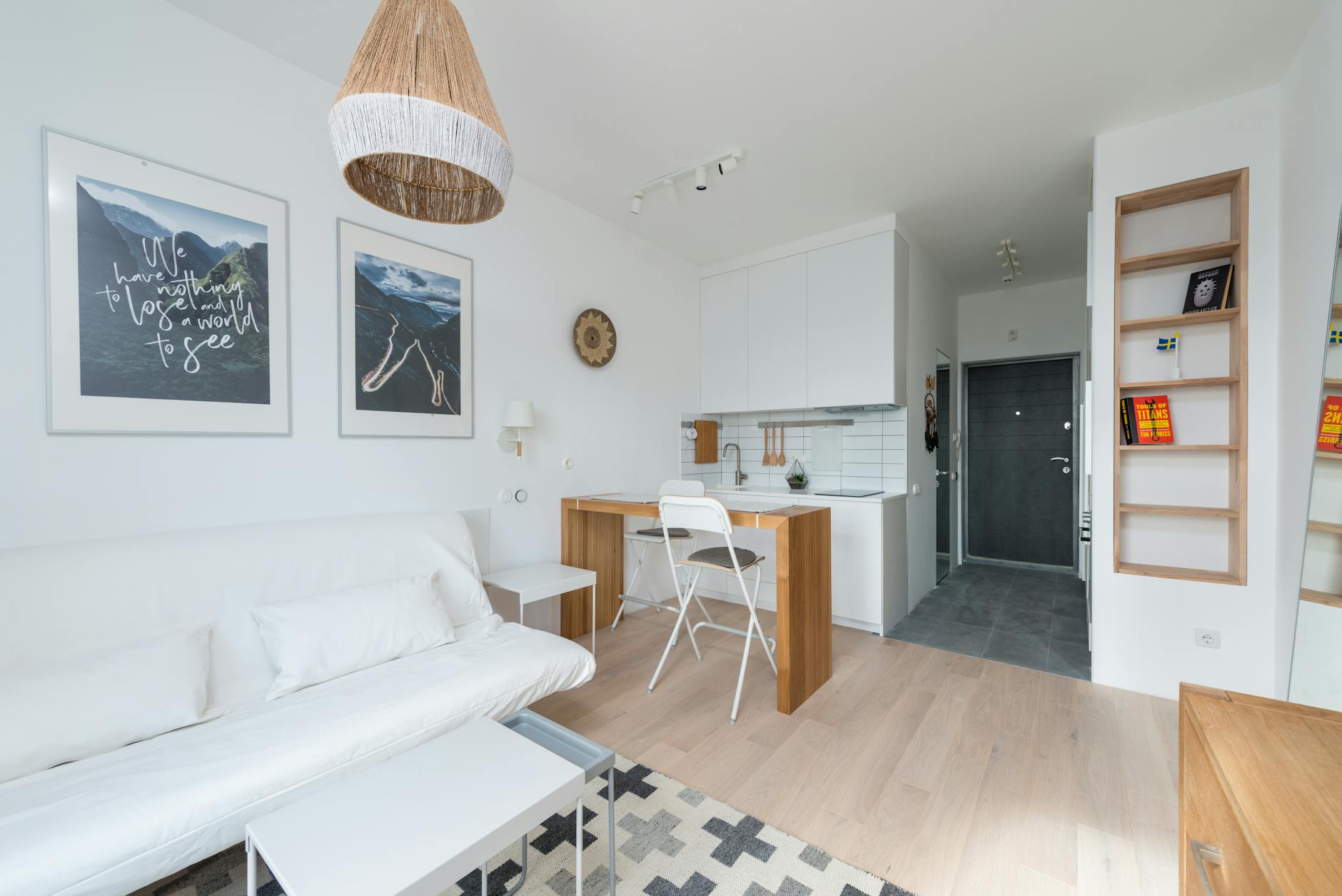
Maximizing Square Footage: Engineering Utility in Small Living Areas
Living within a micro-apartment presents a unique design challenge: how to integrate necessary functionality without sacrificing the feeling of spaciousness. We observe from the data that spatial constraints necessitate a shift from conventional furniture placement to engineered solutions. The goal becomes increasing the utility density per square foot, transforming passive space into active, multi-purpose zones. Mastering multi-functional furniture small spaces is not merely about fitting things in; it involves understanding how objects interact with the flow and light within confined environments.
Rethinking Furniture Form Factors
The initial step in optimizing a small space requires scrutinizing the geometric relationship between the room’s boundaries and the required functions. Standard, monolithic pieces consume valuable floor area that could otherwise facilitate movement or relaxation. We must analyze furniture based on its potential for transformation rather than its static form. Think about items designed to perform dual roles. A sofa that also functions as storage, a coffee table that elevates into an ottoman, or shelving units that double as room dividers demonstrate this necessary functional plasticity.
We examine how these transformations affect daily routines. When a piece of furniture serves multiple purposes seamlessly, the cognitive load associated with managing clutter decreases significantly. This directly contributes to the perception of spaciousness. We are optimizing for flow. A space feels larger when the pathways remain unobstructed and the visual field is clear; large, bulky items interrupt this visual continuity.
Strategic Implementation of Multi-Functional Solutions
Implementing effective spatial hacks demands a systematic approach. We focus on verticality as much as horizontal arrangement. Wall space often remains an underutilized resource in small residences. Installing floating shelves or utilizing vertical storage solutions effectively pulls necessary items off the floor, immediately reclaiming valuable visual real estate. This strategy addresses the constraint of limited square footage by exploiting the third dimension.
Consider the application of modular systems. Systems built on interlocking components allow for dynamic reconfiguration based on immediate needs. For instance, a shelving system can be adjusted throughout the day to accommodate different storage requirements—from book collections to kitchen supplies—without requiring a complete overhaul of the room setup. This adaptability is crucial in environments where occupants frequently shift their priorities.
Analyzing Storage Mechanisms for Density
Storage dictates how effectively we manage possessions within tight confines. Traditional, deep cabinets often prove inefficient in narrow corridors or small rooms because they create dead zones where items become inaccessible. We need solutions that maximize volumetric storage while maintaining accessibility. Drawers and pull-out systems offer superior density compared to fixed shelving units.
We see significant gains when integrating hidden storage. Utilizing the space beneath beds or behind doors addresses interstitial areas that are otherwise wasted volume. When designing layouts for multi-functional furniture small spaces, we map these hidden zones as potential storage reservoirs. This technique minimizes visual clutter while maximizing practical capacity. The resulting environment feels intentionally curated rather than simply cluttered.
Integrating Texture and Atmosphere Through Smart Choices
Functionality alone does not define coziness; the sensory experience must be addressed simultaneously. A space can be highly organized yet feel sterile if the materials lack warmth. We observe that incorporating tactile elements softens hard lines and introduces an inviting atmosphere, regardless of the furniture’s mechanical function.
For example, selecting textiles plays a pivotal role in this atmospheric layering. Choosing fabrics with rich texture adds depth to the visual experience. Soft furnishings absorb sound and reflect light in a way that promotes tranquility. When pairing functional pieces with soft materials, the transition between utility and comfort becomes fluid. We see how thoughtfully curated palettes influence mood; embracing soft, muted tones supports a sense of calm, which is essential when space is limited. Exploring Soft Airy Palettes: Pastel Colors for Serene Spaces demonstrates this principle perfectly by reducing visual weight while enhancing serenity.
The Psychological Impact of Optimized Design
The ultimate success of these hacks lies in the psychological effect on the occupant. A well-organized, multi-functional environment reduces environmental stress. When items have a designated place and serve multiple purposes, the mind expends less energy processing the surrounding chaos. This reduction in cognitive friction translates directly into a feeling of calm and control within the living area.
We analyze the visual perception of space. By minimizing visual noise—by hiding clutter behind functional pieces or utilizing clever vertical stacking—we trick the eye into perceiving greater expansiveness than physically exists. This manipulation of visual cues is a powerful tool in small-space design. The furniture becomes an integrated part of the architectural solution rather than an intrusive obstruction.
Crafting Personalized Comfort Zones
Beyond pure utility, the design process must accommodate personal aesthetic desires. A space designed for maximum efficiency should still feel deeply personal and comfortable. This requires balancing the hard mechanics of storage with the soft aesthetics of habitation. We can achieve this balance by integrating handcrafted elements that inject personality directly into the functional framework.
For instance, incorporating custom textiles or decorative items elevates a purely functional setup into a personalized sanctuary. Engaging with craft, such as creating bespoke pieces like DIY Cozy Knit Amigurumi: Custom Plushies for Your Home, allows occupants to introduce unique textures and warmth that cannot be achieved through mass-produced materials alone. These personal touches anchor the space emotionally, transforming a small utility area into an intentional, cozy haven. We find that this personalization enhances the perceived value of the entire arrangement.
Final Synthesis on Small Space Living
The mastery of multi-functional furniture small spaces resides in understanding systems and sensory input working in concert. It requires moving past simple placement and engaging in spatial engineering. By prioritizing adaptable forms, maximizing vertical integration, and layering sensory comfort onto functional necessities, we engineer environments that feel both highly efficient and profoundly cozy. The result is a living space where every square foot contributes meaningfully to both organization and well-being.
Tags: small space living, apartment hacks, cozy decor, space saving, multi-functional furniture, micro-apartments, home organization
Featured Image by Max Vakhtbovych on Pexels.