
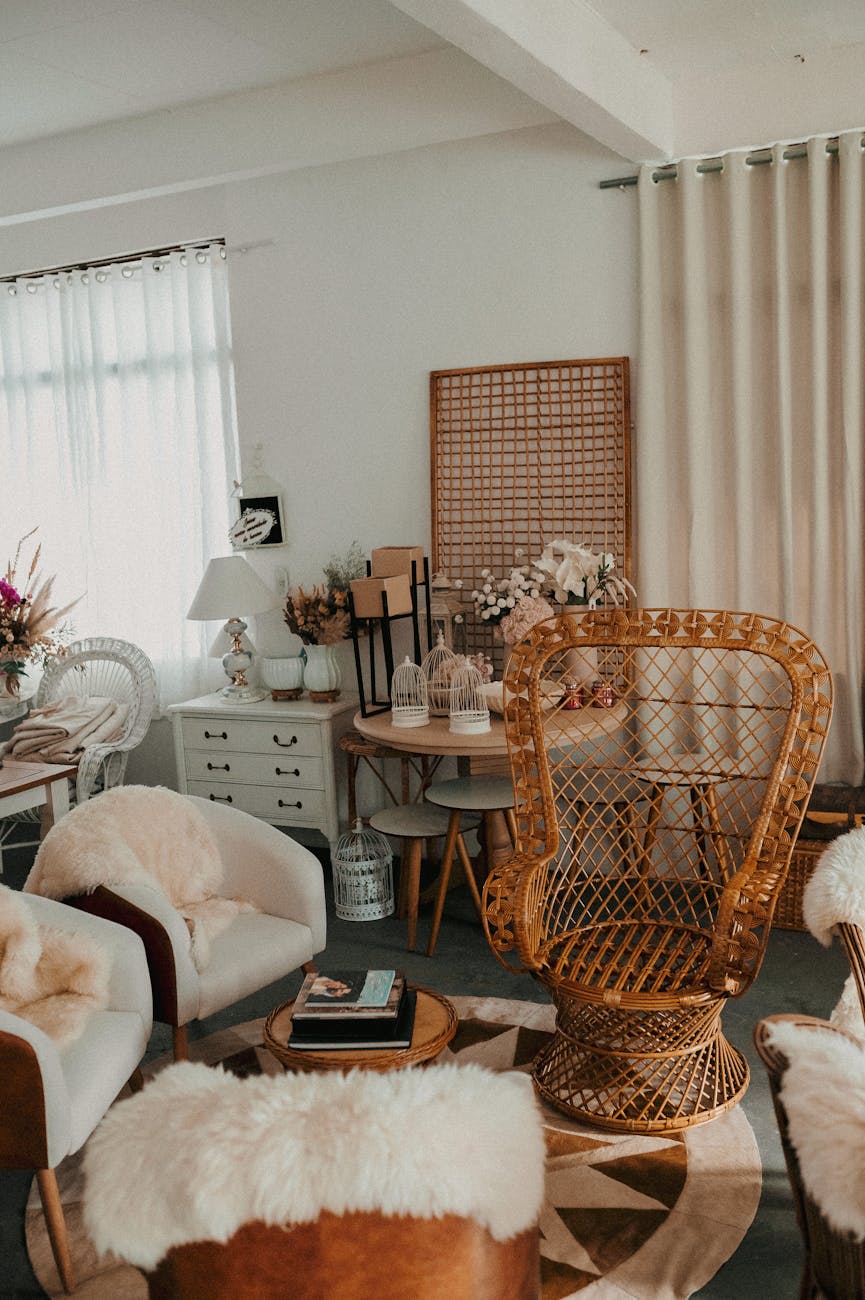
The Geometry of Comfort: Deconstructing Layering Rugs Living Room
When designing a living room, many focus immediately on the anchor pieces—the sofa, the fireplace, the architectural lines. However, true visual depth emerges not from these singular elements but from the intentional arrangement of floor coverings. Mastering the art of layering rugs living room is about manipulating scale, texture, and visual flow to transform a flat expanse into a rich, multi-dimensional experience. We observe that simply placing one large rug does not achieve sophisticated design; rather, successful layering involves establishing distinct zones while maintaining an overarching sense of unified harmony.
Establishing Functional Zones Through Rug Placement
The primary function of layering is zone definition. A single rug defines the main seating area, but adding secondary rugs allows you to segment the room into more intimate and functional spaces. Consider the typical living room layout: a central conversational area, an adjacent reading nook, or perhaps a space near a feature wall. Each zone demands a different textural language. For instance, a high-pile rug can anchor the primary seating arrangement, establishing a sense of plush intimacy where people congregate. Beneath that, a smaller, contrasting rug placed strategically can define an accent chair or a coffee table grouping. This process forces the eye to navigate subtle shifts in elevation and tactile experience across the floor plane.
This approach moves beyond mere decoration; it becomes spatial engineering. We are intentionally dictating where visual focus should settle based on physical proximity and perceived function. The transition between these zones must feel deliberate, not abrupt. A mismatch in scale or texture across boundaries creates visual dissonance, undermining the intended effect of depth. We analyze how material interaction dictates perception. Soft wool against smooth sisal, for example, generates an immediate sensory contrast that heightens the perceived richness of both materials involved.
The Mechanics of Scale and Proportion
The successful execution of layering rugs living room hinges entirely on managing scale. Think of the relationship between the rug size and the furniture footprint. A common pitfall is selecting rugs that are all similar in size, resulting in a flat, undifferentiated plane. We find that effective layering demands intentional variation in dimensions. You might employ one very large foundational piece—a substantial area rug that encompasses the majority of the seating arrangement—and then introduce smaller, complementary pieces as accents.
This technique forces a dynamic tension within the space. The larger rug provides stability and anchors the visual weight; the smaller rugs offer playfulness and highlight specific focal points. We observe that placing a medium-sized rug partially under a larger one creates an interesting interplay of exposed border and concealed area. This juxtaposition exploits negative space as an active design element, rather than merely empty space. Understanding the ratio between the rug and the furniture is crucial; if the rug is too small for the space, it recedes; if it overwhelms it, it feels disconnected. We must calculate how much of the visual field each layer occupies relative to its surroundings.
Texture as the Primary Driver of Depth
Depth perception in interior design relies heavily on tactile variation. Visual interest is amplified when surfaces offer competing sensory experiences. This is where material selection becomes paramount in layering rugs living room. Consider the difference between a tightly woven wool rug, which absorbs light and offers a dense, soft feel, and a jute or sisal rug, which introduces coarse texture and an organic, matte surface. Introducing these contrasting textures prevents the space from feeling monolithic or overly uniform.
When integrating textiles, we look at how light interacts with the fibers. High-pile materials create shadows and absorb ambient light, adding density to the visual field. Low-pile materials allow the underlying floor texture to remain visible, providing a subtle grounding effect. Experimenting with these material properties allows you to manipulate perceived distance and richness simultaneously. This textural dialogue ensures that the layering is experienced physically as well as visually; it engages the sense of touch alongside sight.
Color Theory in Multi-Layered Spaces
Color acts as the connective tissue between disparate textures, unifying the layered arrangement. When mixing rugs, a cohesive color palette prevents the layering from appearing chaotic. We analyze how hue variation impacts the perceived size and mood of each section. Using analogous colors—shades that sit near each other on the color wheel—ensures a smooth transition across the floor plane. For example, pairing muted blues with soft grays creates an atmosphere of serene depth that works beautifully for creating cozy sanctuaries.
Conversely, employing high-contrast color blocking can define zones with more assertive clarity. A bold geometric pattern in one area, grounded by a solid, neutral rug beneath it, creates immediate visual separation. This technique leverages color saturation to establish hierarchy. We see that the introduction of complementary tones across different layers guides the viewer’s eye through the space deliberately. The interplay between warm and cool tones also contributes significantly to establishing an inviting, enveloping atmosphere.
Practical Application: Designing for Coziness
Creating a cozy environment requires applying these principles with practical consideration for daily life. Layering rugs living room must account for traffic flow. Rugs placed in high-traffic zones require materials that are durable and easy to maintain, even if they possess luxurious aesthetics. We observe that heavy, plush materials, while visually rich, can prove impractical in heavily used areas unless the fibers are specifically engineered for high abrasion resistance.
Think about how different elements contribute to a sense of Hygge. The concept relies on creating warmth, comfort, and a feeling of well-being. A carefully layered rug system achieves this by introducing softness underfoot and visual richness that invites lingering. When designing for seasonal shifts, like preparing for winter coziness, incorporating soft textures ensures the space feels insulated from the outside world. For those seeking an immersive, Scandinavian sensibility, pairing natural fibers with soft wools reinforces this tactile comfort perfectly.
Advanced Techniques: Integrating Vertical Space
The principles of layering extend beyond the floor plane when optimizing space in smaller environments. When floor space is constrained, vertical dimension becomes an equally powerful tool for enhancing perceived spaciousness and depth. This involves consciously drawing the eye upward to make the room feel taller and more expansive than its physical dimensions allow. Utilizing textiles vertically, such as incorporating statement wall hangings or tall, textured drapery, works in concert with horizontal layering.
For those navigating vertical constraints, optimizing storage simultaneously supports this visual strategy. When floor space is limited, maximizing functional surface area becomes essential. Examining solutions for vertical magic—such as smart vertical storage systems—demonstrates how freeing up floor real estate allows the rug arrangement to breathe and achieve its intended spatial impact without sacrificing functionality. This holistic approach ensures that every element, from the largest rug to the smallest decorative throw, contributes meaningfully to the overall sense of curated comfort.
Tags: rug layering, living room design, area rugs, home decor tips, interior design, rug placement, cozy home
Featured Image by Jonathan Borba on Pexels.