
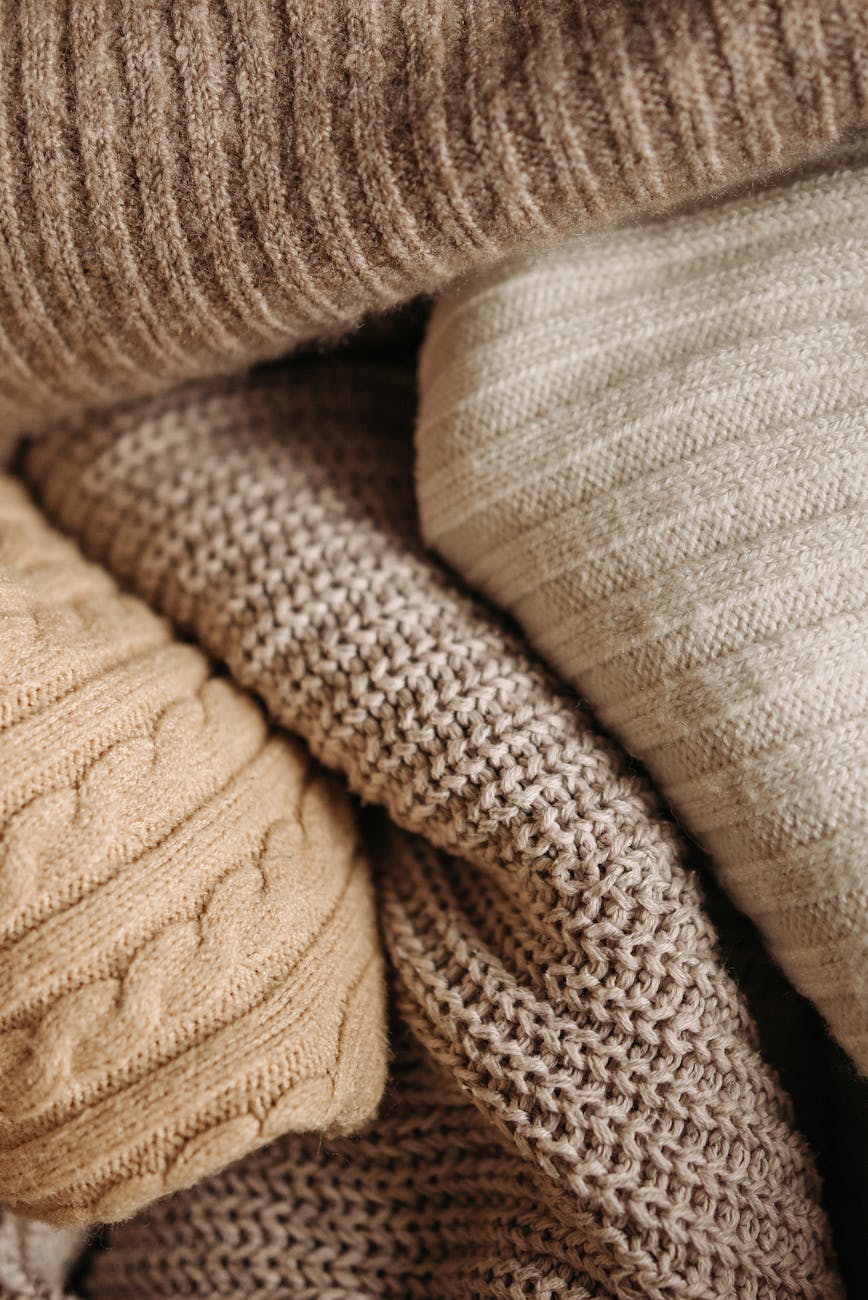
The Science of Tactility: How Fabric Weight Dictates Perceived Warmth
We observe from the data that the emotional response to a space is intrinsically linked to tactile experience. When designing for coziness, we are not merely selecting colors; we are manipulating the physical interaction between the occupant and the environment through textiles. This manipulation relies entirely on how fabrics interact with light, touch, and visual depth. Understanding this mechanism is the first step toward mastering layered textiles interior design.
The concept of layering moves beyond simple aesthetic placement. It involves creating a tactile progression that engages different sensory receptors sequentially. A single flat surface offers limited engagement; complexity introduces texture, shadow play, and variable insulation properties. When we stack materials—a heavy wool throw over a soft linen drape, for example—we introduce differential thermal mass into the visual field. This contrast generates an illusion of depth and, critically, perceived warmth.
Deconstructing Fabric Mechanics
Different fibers possess inherent physical properties that govern their interaction with ambient conditions. Wool, for instance, traps air within its complex fiber structure, creating pockets that resist immediate heat transfer while slowly releasing thermal energy back to the environment. Velvet, conversely, utilizes a high pile density and a dense weave that absorbs light rather than reflecting it sharply, lending a deep, enveloping visual saturation. Linen offers a crispness that interacts differently with light, emphasizing texture through subtle wrinkles and surface topography.
We must analyze how these properties combine when arranged. A room clad in smooth, cool materials will feel sterile, regardless of color palette. Introducing textiles disrupts this uniformity. The strategic placement of knits, velvets, and wools creates zones of visual density. This layering effect tricks the eye into perceiving a richer, more insulating environment than the physical material alone dictates.
The Mathematics of Visual Warmth
Perceived warmth is not static; it is dynamic, shifting based on how light interacts with the surface planes. Darker, richer textures absorb incident light, which our visual cortex processes as density and depth, naturally signaling coziness. Lighter, sheer fabrics diffuse light, creating an airy, soft illumination that feels gentle. When juxtaposed, these contrasts amplify the feeling of enveloping comfort.
Consider the effect of texture variance on a single surface. If all textiles share the same weave and reflectivity, layering provides minimal sensory gain. However, when we combine materials with disparate surface characteristics—the deep nap of velvet against the matte finish of raw wool—we introduce visual friction that registers as richness. This is the core mechanism behind sophisticated layered textiles interior design. It is about creating an environment where shadows are soft and surfaces feel invitingly substantial.
Establishing Thermal and Visual Anchors
Effective layering requires establishing anchors that direct the viewer’s attention and define the functional zones within a space. These anchors must account for both the visual experience and the practical thermal reality of the area being decorated. We need to think about where the heat is trapped, and where the visual softness needs to be concentrated.
Zoning for Comfort
We segment spaces based on intended use. A reading nook demands deep, enveloping textures that encourage lingering. Conversely, a workspace requires materials that support focus without introducing distracting visual noise. The selection process must shift according to this functional zoning.
For areas dedicated to relaxation, the priority is maximizing tactile engagement. Here, heavy throws, plush rugs, and textural accent pillows work in concert. These elements function as thermal buffers, trapping ambient heat near the body, which is a primal driver of comfort. We observe that materials with higher loft—like chunky knits or heavy woven wools—demonstrate superior capacity for this thermal buffering compared to flat silks.
When designing areas for focused activity, the textile selection must prioritize visual calm while maintaining an underlying sense of softness. A smooth, matte cotton or a finely woven linen provides the necessary visual rest. If you are setting up a home office sanctuary, selecting textiles that avoid high-sheen reflections prevents visual fatigue. This consideration links directly to creating spaces where concentration is supported; for instance, organizing your workflow requires materials that do not introduce visual impedance, which is why focusing on Ergonomic Aesthetic WFH Desk Organization Hacks complements the textile strategy.
The Role of Material Weight in Atmosphere
The physical weight of a textile acts as an unconscious cue regarding density and security. Heavier fabrics signal permanence and insulation; they anchor the space visually. Lighter materials suggest airiness and diffusion. In practice, this translates into choosing heavier wool blends for primary seating elements and lighter linens or silks for drapery and accent pillows. This deliberate manipulation of perceived weight enhances the illusion that the space is warmly insulated against the outside world.
We see this mechanism play out when we consider sound mitigation too. A room filled with dense, heavy textiles naturally absorbs ambient noise, reducing reverberation and creating a quieter, more intimate acoustic environment. This synergy between visual layering and acoustic absorption forms the foundation of true cozy ambiance.
Mastering the Mix: Blending Fibers for Depth
The sophisticated aspect of layered textiles interior design emerges when we move beyond simply placing items side-by-side and begin manipulating the interaction between disparate fibers. Success lies in creating intentional material friction that engages the eye dynamically.
Introducing Textural Contrast
To achieve maximum visual impact, contrast must be intentional. We avoid monochromatic layering where every piece matches perfectly; this results in a flat, uniform look rather than dynamic warmth. Instead, we seek textural opposition. Imagine pairing a heavily textured, chunky knit throw—which provides deep shadows and high tactile interest—with a smooth, matte velvet cushion. The juxtaposition of the rough, deep texture against the soft, light-absorbing surface creates a rich visual dialogue that stimulates perception.
This contrast works because it forces the eye to process two distinct physical realities simultaneously. The visual information generated by this friction is interpreted by the brain as depth and complexity, which we then map onto an emotional state of richness and coziness. This is how you generate visual warmth that feels earned, not merely applied.
The Spectrum of Texture: From Softness to Structure
We can categorize textiles based on their textural contribution. Softness refers to the tactile experience—the way the fabric yields to touch. Structure refers to the weave, the tension, and the drape. Layering effectively mixes these two concepts. A highly soft material (like brushed mohair) draped over a structured base (like raw canvas) introduces an interesting tension between yielding softness and firm structure.
When selecting materials for your layered scheme, analyze their structural integrity. Does the fabric hold its shape well, or does it drape fluidly? This analysis informs where in the layering sequence you place the material to maximize the intended effect. We are essentially orchestrating a visual symphony where each textile plays a specific role in defining the overall mood of the space.
Practical Application: Building Your Layered Collection
Begin your exploration by identifying the dominant function of the area you are decorating. If the goal is deep, enveloping comfort, anchor your selection around materials known for high thermal retention and deep texture. Source heavy wools for foundational throws and introduce velvets for focal points where light reflection needs to be minimized. Then, layer lighter elements—crisp linens or soft cottons—over these anchors to introduce textural variation without sacrificing the overall sense of warmth.
This process demands patience. Observe how light shifts across your chosen combinations throughout the day. The effect of layering is most apparent in changing illumination; a slightly different angle can reveal a deeper shadow line, enhancing the illusion of depth and coziness we have engineered. Mastering this interplay between weight, reflection, and touch allows you to transform simple fabrics into powerful tools for interior emotional architecture.
Tags: textile layering, cozy decor, fabric textures, interior design tips, velvet and wool, home textiles, cozy home
Featured Image by Pavel Danilyuk on Pexels.