
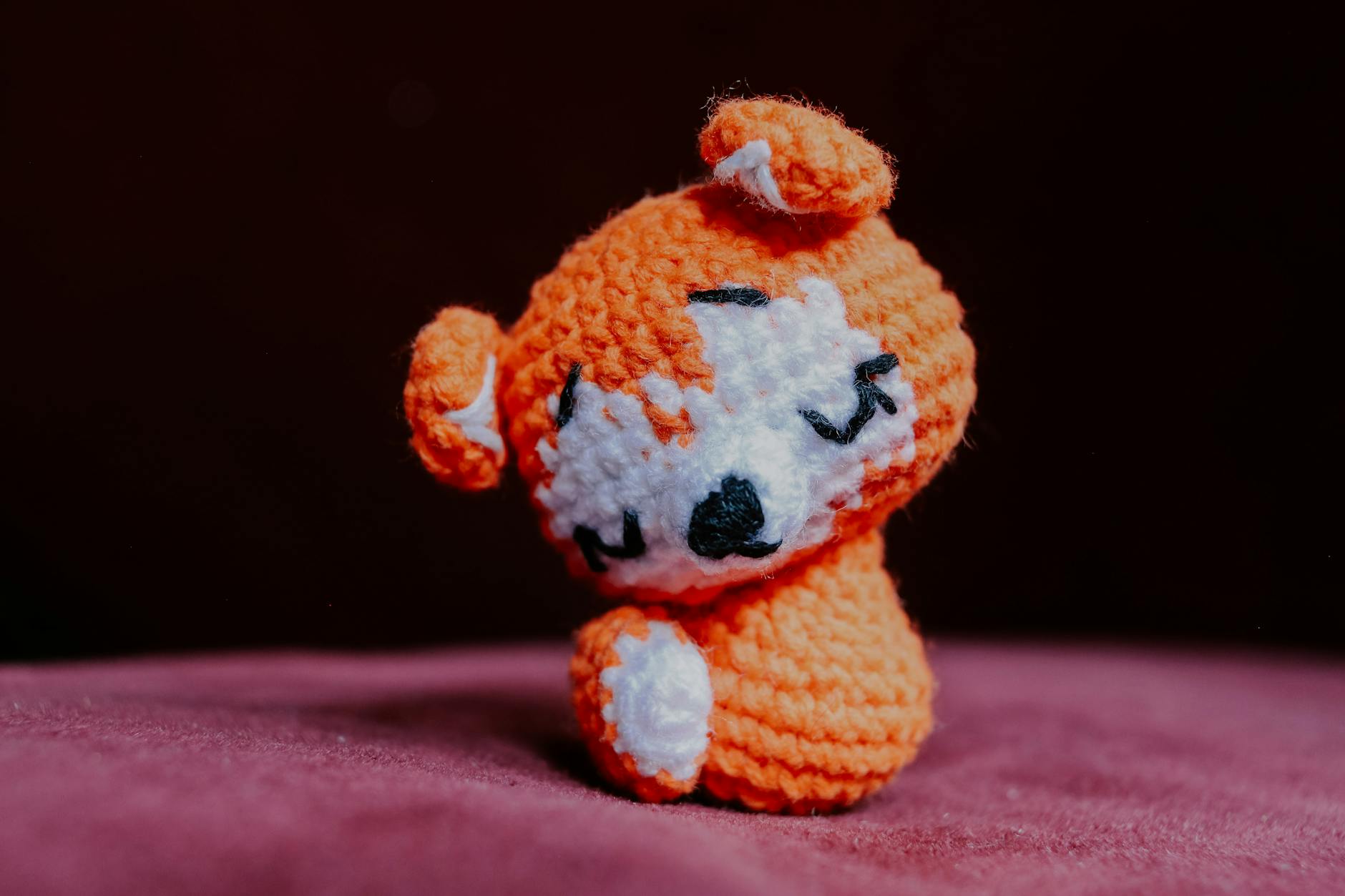
The Mechanics of Handmade Comfort: Crafting Custom Plushies
We observe a distinct shift in interior design preferences toward tactile experiences. People are moving away from purely visual aesthetics toward environments that actively engage the sense of touch. This trend finds powerful expression in handmade items, particularly those crafted with yarn and fiber. Creating custom plushies moves beyond simple decoration; it becomes an exercise in material science and textile manipulation aimed at generating specific emotional responses within a living space. Understanding the process behind creating these objects reveals why the resulting coziness is so profound.
Deconstructing the Craft: Why Amigurumi Appeals to Home Decorators
The appeal of techniques like knitting and crochet lies in their capacity for controlled textural output. We are not just assembling yarn; we are engineering three-dimensional forms through tension management, stitch density control, and pattern geometry. When a crafter successfully executes a complex amigurumi design, they are essentially programming a physical object with specific tactile properties.
The resulting plushie possesses an inherent softness that synthetic materials often fail to replicate. This difference is rooted in the fiber itself—wool, alpaca, or high-quality cotton possess inherent loft and thermal retention capabilities. We see this effect when comparing standard stuffed items to handmade ones; the unevenness of a hand-knitted surface allows for variable density, creating pockets of plushness that mimic the organic contours of a comforting object. This intentional variation enhances the sensory experience far beyond mass-produced uniformity.
Material Selection: The Foundation of Plush Quality
Selecting the right materials dictates the final outcome of any plushie project. A novice might gravitate toward inexpensive acrylics, but for achieving genuine cozy quality, material integrity must take precedence. We must analyze the yarn weight and fiber content. Thicker, plainer yarns offer a dense, sturdy structure suitable for larger, more robust shapes, while finer, lighter yarns allow for intricate detail work.
For maximum thermal comfort, natural fibers perform exceptionally well because of their excellent breathability and insulation properties. Alpaca and merino wool, for example, provide superior warmth without excessive weight, making them ideal for creating items that feel luxurious against the skin. We observe that when working with these materials, the stitch choice also becomes critical; single crochet or half-double crochet often create a denser fabric structure than looser lace stitches, which impacts how the final object drapes and feels when hugged.
Pattern Interpretation: Translating Design to Three Dimensions
A pattern serves as the blueprint for this material translation. Interpreting a written design into physical form requires translating two-dimensional instructions into three-dimensional spatial awareness. This involves understanding gauge—the density of stitches per inch—and managing increases and decreases precisely. Errors in interpreting these metrics result in objects that are either too dense, too floppy, or structurally unsound for the intended use.
When designing a plushie for home decor, one must consider scale. A small amigurumi might serve as an accent piece, while a larger creation functions as a substantial throw pillow or decorative accent. The mathematical relationship between the pattern’s dimensions and the actual finished size is where many projects falter. Mastering this spatial geometry allows the crafter to control the final volume, ensuring the plushie has the desired huggability without becoming overly cumbersome.
Integrating Plushies into Cozy Decor Schemes
The strategic placement of these handmade items directly influences the perceived coziness of a room. Plushies function as anchors for textural layering. When pairing soft plush accents with other elements, one must ensure the color story and texture harmonize effectively. For instance, if incorporating warm, earthy tones into your space, consider pairing your knit creations with softer backdrop elements, perhaps exploring Soft Airy Palettes: Pastel Colors for Serene Spaces. The visual effect of these complementary textures creates an immersive sensory environment that invites lingering.
The functional application of plushies also requires careful consideration regarding placement. They should be positioned where they invite interaction; visible displays encourage engagement with the handmade element. Think about how a custom-made amigurumi can serve as a unique focal point on a bookshelf or nestled beside a favorite reading nook. This moves the item from mere craft to functional home décor.
Beyond the Stitch: Longevity and Care of Handmade Textiles
A crucial aspect of investing in handmade items is understanding their lifespan and maintenance protocols. Unlike machine-made textiles, which often withstand rigorous washing cycles, natural fiber plushies demand a more gentle approach. Improper care can compromise the integrity of the stitch structure or damage the delicate fibers.
We see that washing frequently introduces mechanical stress to the yarn and the stitches, potentially causing distortion over time. Therefore, understanding the appropriate cleaning methods is essential for longevity. Hand washing in cool water is generally recommended to minimize fiber shrinkage and maintain the plush loft achieved during construction. Proper storage also matters immensely; keeping items away from harsh direct sunlight prevents color degradation, while storing them in breathable containers protects against physical compression.
Practical Application: Creating Your Signature Cozy Collection
The process of creating your own collection offers unparalleled control over the aesthetic outcome. Experimentation with different stitch patterns allows you to develop a personal textural vocabulary for your home. You can consciously decide whether you prefer the tight, defined look of a simple stitch or the flowing texture achieved by incorporating more open stitches. This experimentation is the heart of the DIY experience.
When planning a larger textile project, such as a substantial throw, understanding how different fiber weights interact with weaving or knitting techniques becomes paramount. Consider how the chosen material will behave under tension; heavier yarns require different needle sizes and tension settings than lighter ones to maintain a consistent drape across the final piece. This is where theoretical knowledge meets practical execution in the realm of textile art.
Ultimately, crafting these objects is about integrating intention into the physical world. The process demands patience and attention to detail, rewarding the creator with an object that carries not just aesthetic value but also the tangible history of human craft. Embracing the handmade approach transforms a simple decorative choice into an investment in personalized, enduring comfort.
Tags: DIY plushies, cozy decor, knitting, crochet, amigurumi, handmade decor, plushies
Featured Image by Golboo Maghooli on Pexels.