
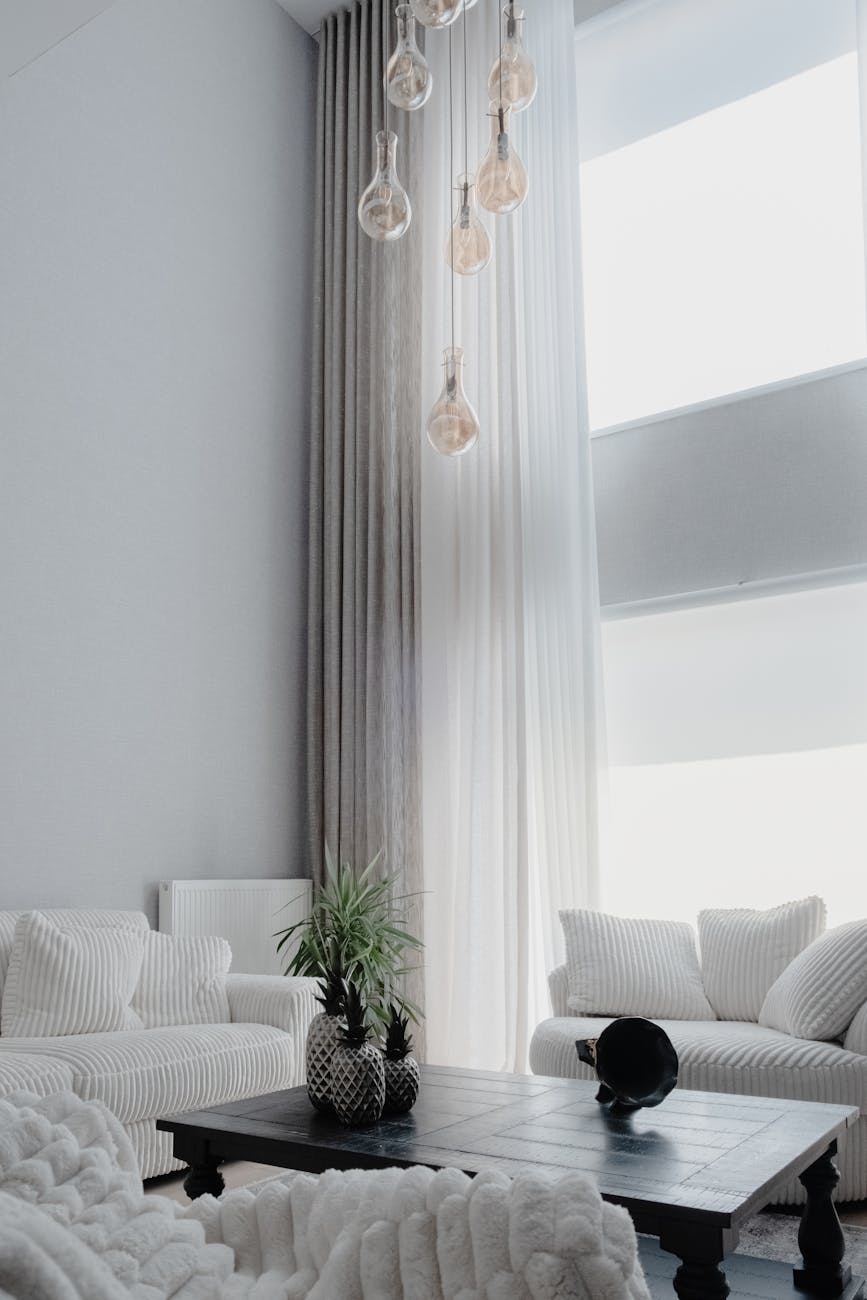
The Physics of Comfort: Deconstructing Cozy Living Room Textiles
We begin by examining what truly constitutes a cozy environment. It is not merely the presence of soft materials; it is the deliberate manipulation of tactile sensations and visual depth. The selection and arrangement of textiles in a living space function as a complex system designed to modulate human thermal perception and psychological comfort. Our analysis suggests that achieving genuine coziness operates on principles of material science, light interaction, and sensory engagement.
The choice between materials dictates the functional outcome. For instance, a heavy velvet introduces deep visual saturation, absorbing ambient light to create pockets of shadow, which inherently signals intimacy. Conversely, a chunky knit engages touch directly; the unevenness of the yarn creates micro-topographies that stimulate tactile receptors in a way smooth surfaces cannot replicate. Understanding this material response is the first step in mastering cozy living room textiles.
Material Science: How Fibers Dictate Atmosphere
The performance characteristics of textiles are determined by their fiber composition, weave structure, and weight. We observe from the data that natural fibers often possess superior thermal regulation properties compared to synthetic alternatives when considering long-term comfort. Wool, for example, traps air efficiently, creating an insulating layer that manages temperature fluctuations effectively. Synthetic materials, while offering durability and specific aesthetic finishes, require different textural approaches to achieve a similar perceived warmth.
Velvet, characterized by its dense pile and complex light reflection, excels at creating an opulent, deep visual field. The way light scatters across the nap creates a rich, muted luminosity that pulls the eye inward, establishing a cocoon-like effect. Bouclé introduces an intentional textural irregularity; the looped, discontinuous yarn structure captures and diffuses light unevenly, adding visual texture without introducing harshness. These materials are not passive decorations; they actively participate in shaping the sensory experience of the room.
Weaving Visual Depth Through Texture and Pattern
Pattern plays a crucial role in directing visual flow within the living space. Large-scale patterns, often seen in oversized throws or area rugs, act as anchors, defining zones and visually expanding the perceived space in an enveloping manner. Smaller, intricate patterns introduce complexity at a closer range, inviting prolonged visual inspection. The density of the pattern directly correlates with the intensity of the textural experience delivered to the viewer’s eye.
When layering textiles, we are essentially constructing thermal boundaries. A heavy throw draped over a sofa functions as an insulating barrier against the cooler ambient air, enhancing the sensation of warmth. This layered approach necessitates careful consideration of material weight; lighter fabrics might feel airy but offer minimal thermal retention, whereas denser weaves provide substantial physical comfort.
Integrating Light and Textile Dynamics
The interaction between textiles and illumination is critical to maximizing the cozy effect. How light strikes a textured surface fundamentally alters its perceived quality. Soft, diffused light interacts beautifully with the deep pile of a velvet rug, emphasizing its luxurious depth. Sharp, direct light might reveal the weave structure more acutely, highlighting the intentional irregularity of bouclé.
We find that ambient lighting systems work synergistically with textile choices to establish mood. When implementing techniques like Layering Light for Cozy: Mastering Ambient Lighting Techniques, the shadows cast by textiles become more dramatic and inviting as the light sources are deliberately softened. This interplay demonstrates how visual dynamics reinforce thermal comfort; a dimly lit space draped in rich textiles feels exponentially warmer than a brightly lit, sparsely furnished room.
Selecting Textiles for Functional Comfort
Moving beyond mere aesthetic appeal requires an analytical approach to functional requirements. The intended use of a textile—whether it is for seating, floor covering, or window treatments—determines the necessary performance specifications. We must assess durability, ease of maintenance, and thermal regulation capabilities simultaneously.
Thermal Regulation and Insulation Mechanics
The primary function of textiles in a living space involves managing heat transfer. Insulation relies on trapping pockets of air within the material structure. High-density weaves, particularly those utilizing wool or heavy cotton blends, create a greater volume of trapped air, thereby maximizing the R-value potential for thermal insulation. We observe that thicker materials inherently resist rapid heat exchange with the surrounding environment. This physical mechanism is what translates directly into the subjective feeling of being cozy.
When selecting fabrics for high-contact areas, such as sofa upholstery or heavy drapery linings, prioritizing materials with superior insulation properties becomes a non-negotiable factor in designing long-term comfort. Ignoring this physical aspect results in visually appealing but functionally cold spaces.
Durability and Maintenance Protocols
A truly cozy environment must also be practical. Luxurious textiles demand protocols that ensure longevity while maintaining their aesthetic integrity. We assess durability by examining the tensile strength of the fibers and the resilience of the weave structure against repeated use and friction. High-traffic areas necessitate materials that resist pilling and abrasion effectively.
The maintenance cycle affects the perceived quality immensely. Synthetic blends require specific laundering techniques to prevent fiber damage, whereas natural fibers respond better to gentle cleaning methods. Understanding these material limitations allows the homeowner to implement sustainable practices that preserve the tactile luxury they have introduced to their space.
The Psychology of Tactile Engagement
The ultimate goal of using high-quality textiles is to engage the human psychological response to touch. This engagement moves beyond simple visual appreciation; it taps into primal comfort mechanisms. Our analysis suggests that the experience of touching a soft, warm surface triggers a release of comforting neurochemicals, directly influencing mood regulation and stress reduction.
This tactile feedback loop is amplified when we consider environmental context. When sitting on a deeply textured, soft surface, the brain registers safety and relaxation. This effect is magnified when paired with other sensory inputs, such as the soft glow cast by ambient lighting or the subtle aroma of a warm environment. The textiles become conduits for this deep sense of well-being.
Creating Zones of Intimacy
Textiles are potent tools for demarcating spatial zones within an open-plan living area. A large, richly textured rug defines the conversational area, creating a tangible boundary that separates the active space from the surrounding floor plane. Throw blankets function as immediate invitations to rest and slow down, signaling that this specific spot is designated for relaxation. This delineation of zones enhances the feeling of personal sanctuary amidst the larger architectural space.
This intentional zoning requires textiles with sufficient visual weight to command attention and physical presence. A lightweight fabric will fail to establish this psychological boundary effectively. The selection process must therefore balance material luxury with spatial impact.
Synthesis: Weaving a Cohesive Sensory Experience
Achieving truly immersive coziness is an exercise in sensory synthesis. It involves the deliberate orchestration of light, texture, weight, and pattern. We are not simply decorating surfaces; we are engineering an experience where physical sensation merges seamlessly with visual perception. When selecting materials like knits for their inviting structure, velvets for their deep saturation, or bouclés for their dynamic surface variation, we are engaging in a deliberate design process rooted in material understanding. This integration transforms the living room from a collection of objects into a cohesive, enveloping sanctuary. Mastering cozy living room textiles means understanding how these physical elements interact to generate profound, lasting comfort.
Tags: living room decor, textile trends, home textiles, cozy aesthetic, fabric choices, velvet decor, texture in design
Featured Image by Beyza Kılıçdere on Pexels.