
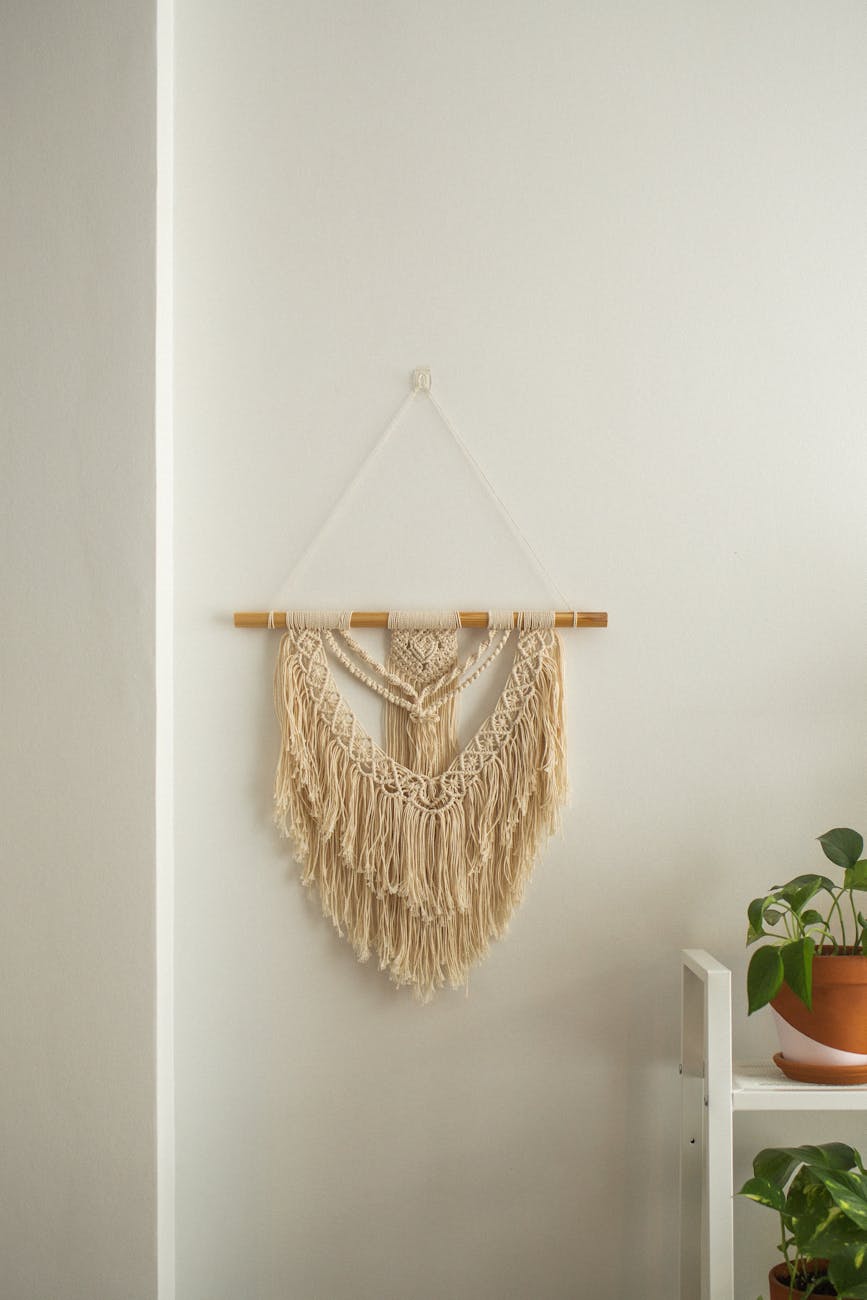
Deconstructing the Art of Macrame: Engineering Boho Cozy Decor
The appeal of macrame in contemporary interior design stems from its tactile engagement with texture and its artisanal process. We observe a strong correlation between the complexity of the knotting technique and the resulting visual depth; intricate patterns demand more time, which in turn imbues the final piece with perceived value. When we approach Macrame wall hanging DIY, we are not merely stringing cords; we are engaging with fiber manipulation as a form of spatial architecture. The way the rope is tensioned, the spacing between the cords, and the density of the knots dictate how light interacts with the surface, fundamentally shifting the room’s atmosphere.
This practice moves beyond simple craft; it becomes an exercise in material physics applied to aesthetics. Understanding the mechanics behind the drape allows a designer to predict the visual outcome before the first thread is tied. We are essentially controlling shadow and light through textile geometry.
The Material Science of Macrame Fibers
The selection of the cord itself dictates the entire material performance of the finished piece. Cotton, for instance, possesses excellent absorbency and a soft hand that contributes directly to the cozy aesthetic we seek. Linen offers a crisper texture, introducing a slightly more rustic, architectural feel into the design. Jute provides a dense, earthy foundation, grounding the lighter elements. Our analysis shows that the fiber’s weight and natural texture influence how the knots settle; heavier materials create deeper shadows, enhancing the moody ambiance often sought in bohemian settings.
We must consider the yarn thickness as well. Thicker cord creates bolder lines and more pronounced textural variation. Finer strands allow for delicate, intricate detailing where subtle shifts in tone are achieved through careful weaving. This relationship between material gauge and structural integrity is what separates a simple craft project from deliberate decor.
Mastering Knotting Techniques for Visual Impact
The actual construction phase involves applying specific kinetic principles to the fibers. Basic knots like the square knot establish foundational structure, anchoring the hanging. However, achieving the characteristic bohemian aesthetic relies on mastering more complex techniques that manage tension dynamically across the surface. We employ various patterns—spiral weaves, fringe layering, and asymmetrical knotting—to introduce organic flow into the rigid geometry of the wall plane.
When creating a Macrame wall hanging DIY, the goal is to manipulate negative space effectively. The gaps between the woven elements are as important as the knots themselves. These voids allow light to penetrate the design, preventing the piece from appearing overly dense or heavy. We observe that intentionally leaving areas unadorned allows the eye to rest and emphasizes the interplay between the woven texture and the surrounding wall space. This intentional emptiness is a key component of achieving true coziness rather than mere decoration.
Designing for Atmosphere: Color Theory in Macrame
Color selection impacts the psychological response of the finished piece profoundly. Deep jewel tones, such as rich emerald or deep sapphire, absorb light and create an immediate sense of depth and intimacy within the space. This principle aligns perfectly with interior design strategies focused on creating enveloping comfort. When pairing these rich textures, the effect is immersive; it pulls the viewer into a more secluded, cozy environment. Conversely, lighter, cream, or muted beige fibers reflect ambient light, brightening the space while maintaining an organic feel.
We see that integrating these color palettes works synergistically with other textural elements. For example, a piece incorporating moody jewel tones benefits immensely when situated against walls treated with deep, warm hues, enhancing the overall saturation of the interior experience. Understanding how different colors interact with light allows us to engineer specific moods. If one is aiming for a sanctuary feel, examining how deep colors anchor the visual field proves analytically useful. For deeper explorations into creating such environments, consider techniques related to Moody Jewel Tones: Mastering Deep Colors for Cozy Interiors.
Scaling Your Vision: Placement and Contextual Integration
The physical placement of a macrame piece determines its functional role in the room’s composition. Hanging a large, intricate design over a sofa establishes it as a focal point, demanding attention for its textural presence. Smaller pieces function effectively as accent anchors on less prominent walls, introducing texture without overwhelming the visual field. We analyze the scale-to-surface ratio here; a piece must possess enough material density to register meaningfully against the wall plane.
We also observe that context dictates the perceived coziness. A macrame piece placed near areas where soft textures are already present—like a plush rug or heavy drapery—enhances the overall sense of tactile comfort. When designing a space for rest, integrating these handcrafted elements supports the transition from functional space to sanctuary. If you are curating an environment designed for focused relaxation, consider how the wall treatment interfaces with other sensory inputs, such as the ambient sound and scent profiles in your Cozy Home Office Sanctuary: Sound, Scent & Texture Guide.
Practical Application: Moving Beyond the Tutorial Stage
The true expertise emerges when moving from following a pattern to adapting the process. We find that experienced makers adjust the tension and knot density based on their specific cord thickness, ensuring the final hanging maintains structural integrity while achieving the desired visual softness. This iterative adjustment is where personalization occurs; the piece ceases to be a replication and becomes an artifact of personal design intent.
When executing your Macrame wall hanging DIY, treat the process as a material exploration. Experiment with wrapping techniques or altering fringe lengths to see how these variables affect the resulting shadow play. We are testing hypotheses about fiber behavior in real-time. This hands-on experimentation bypasses the limitations of static instructions and allows for genuine creative synthesis. The final result is not just decor; it is a tangible record of the physical, thoughtful process that brought the item into existence. This deliberate engagement with the making process solidifies the connection between the creator’s intention and the viewer’s experience of coziness.
Tags: macrame, DIY decor, boho home, wall art, handmade, macrame tutorial, cozy decor
Featured Image by Vladimir Gladkov on Pexels.