
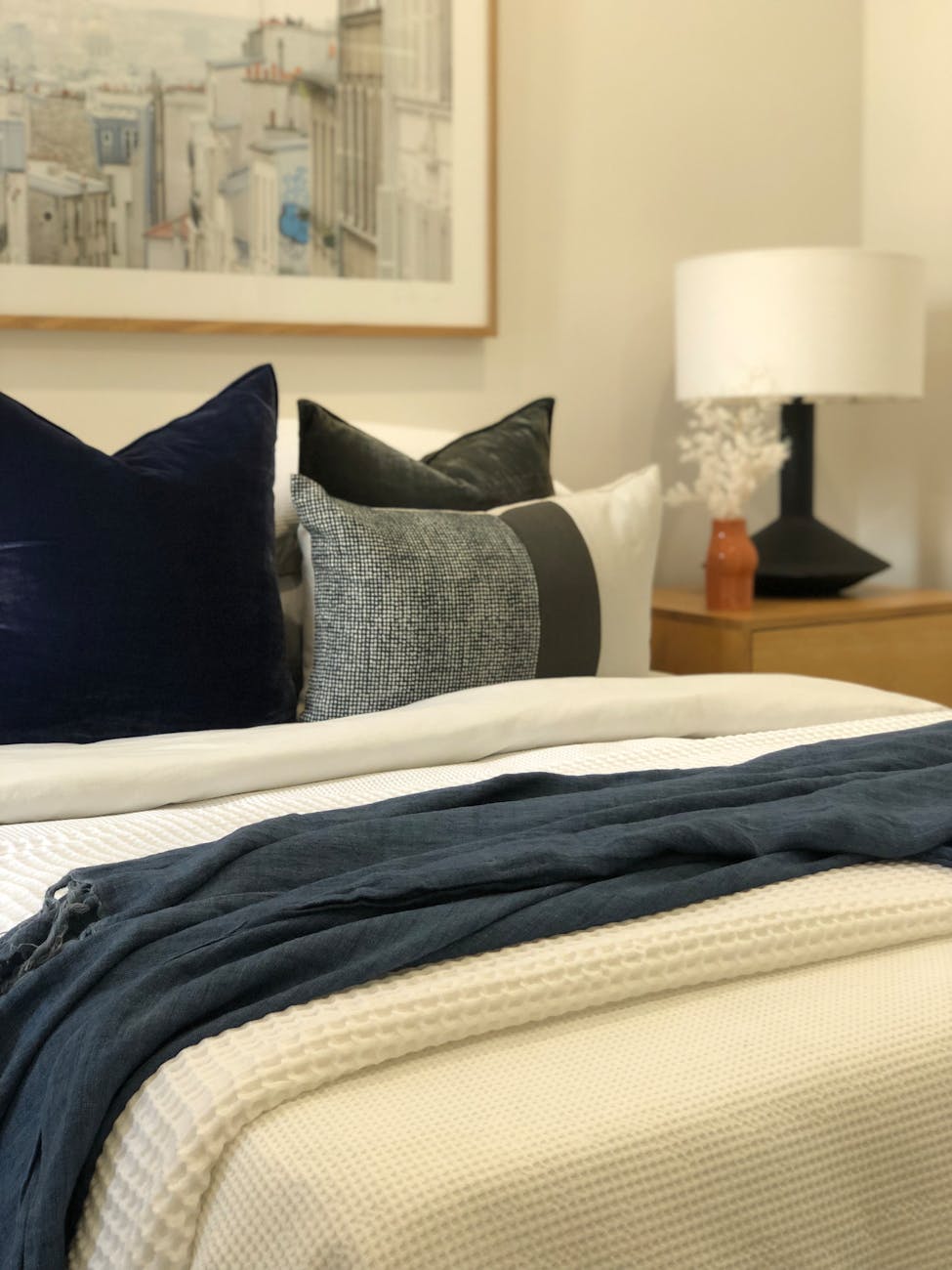
Deconstructing Comfort: The Science Behind the Layered Bed Display
The visual architecture of a bedroom fundamentally dictates the psychological state of the occupant. We move beyond simple aesthetics when we examine how textiles interact with spatial dynamics to produce a feeling of enveloping comfort. Mastering the layered bed display is not about piling fabric; it involves understanding the principles of tactile contrast, visual weight distribution, and intentional framing. Our analysis suggests that successful layering functions as a mechanism for controlling perceived intimacy within a defined space.
Establishing the Foundational Plane: The Bed as a Canvas
Before introducing any decorative elements, the base structure must establish itself as the primary anchor. The mattress and bedding system represent the baseline texture against which all subsequent layers will be measured. If the foundation is uneven, no amount of textile manipulation can correct the sensory dissonance. We observe that high-quality, substantial bedding acts as the essential substrate for coziness; it provides the necessary visual weight to prevent the display from appearing flimsy or disjointed.
We must assess the scale. A king or queen bed demands a commensurate level of textural depth. Attempting to layer overly delicate items across an expansive surface results in a diffused, unanchored feeling. Think of this as establishing the primary field; it dictates the overall mood before specific accents are introduced. This initial decision sets the parameters for the entire textural narrative we aim to construct.
Mechanics of Textile Interaction: Introducing Depth and Shadow
The core function of layering is manipulating light and shadow across the surface. When textiles overlap, they create micro-shadows and highlights that introduce an organic, three-dimensional quality to a flat plane. This interplay of light and shade directly engages our visual cortex, triggering primal associations with safety and enclosure. We are not just placing items; we are engineering visual depth.
Consider the strategic placement of throws and pillows. A simple arrangement—placing a large, heavy blanket at the foot of the bed and arranging smaller cushions against the headboard—creates distinct zones of comfort. The heavier materials anchor the periphery, while the softer items invite tactile engagement at the focal point. This manipulation directly addresses the human need for defined boundaries within an open space.
We see that texture contrast is paramount. Juxtaposing materials with markedly different surface qualities—think the smooth, cool weave of linen against the deep, shaggy pile of faux fur or the ribbed structure of a knit against the smooth cotton of a duvet—amplifies the perceived richness of the display. This intentional friction between textures prevents visual monotony and enhances the perception of luxurious depth.
Curating the Textile Palette: Selecting for Tactile Resonance
The selection process requires an analytical approach, moving beyond simple color matching toward material science. We must select textiles based on their inherent hand-feel and visual texture potential. For instance, wools naturally possess a loft that traps air, providing superior insulation against perceived coldness, whereas silks offer a fluid drape that suggests effortless luxury.
When designing a cohesive look, we analyze the interplay between these selected materials across the entire arrangement. A monochromatic scheme, while calming, risks becoming flat if it lacks textural variation. Conversely, introducing rich, earthy tones—deep charcoals, warm terracotta, muted sage—allows the inherent texture of the fabric to become the dominant visual feature. This anchors the cozy aesthetic in natural, grounding tones.
We observe that integrating these principles extends beyond the bedroom walls into other sanctuary spaces. The same methodology applied to creating a deeply comforting sleep environment can be transposed elsewhere. For example, understanding how tactile layering enhances relaxation is directly transferable to bathroom design; similar principles govern material selection for an atmosphere of tranquility, such as utilizing natural stone and botanical decor in a spa-like bathroom setting.
Strategic Placement: Mapping the Zones of Coziness
Effective layered bed display relies on mapping out specific zones rather than scattering elements randomly. We divide the visual field into functional areas: the sleeping zone, the resting zone, and the accent zone. Each area requires a specific textural solution to maximize its effect.
The sleeping zone demands maximum softness and enveloping coverage. Here, the duvet and primary blankets should be voluminous, inviting the body to sink in. The layering mechanism here is about creating an impenetrable visual cocoon. Next, we address the headboard area, which serves as the primary focal point. Pillows should introduce height and varied contours; stacking a few textural items creates an inviting nest.
The accent zone, often the foot of the bed or bedside area, functions to extend the sense of warmth outward. A long throw draped casually across the end of the bed introduces horizontal flow, drawing the eye along the line of the display. This technique utilizes negative space effectively; allowing some area of the bedding or floor to remain visible prevents the arrangement from feeling claustrophobic.
Achieving Visual Hierarchy Through Scale and Density
The perception of density directly correlates with perceived coziness. A densely packed arrangement signals abundance and warmth. Conversely, an arrangement that deliberately incorporates more visual breathing room—more negative space—signals serenity and refined simplicity. Our goal is to calibrate the density precisely for the desired emotional response.
We calculate this by observing the ratio between the largest elements and the smaller accents. If a very large, heavy blanket dominates the display, the layering should be sparse, allowing the volume of the main piece to speak for itself. If the intent is intricate texture exploration, then the arrangement must be denser, ensuring that every overlapping layer contributes meaningfully to the overall tactile experience. This calibration requires iterative testing in practice.
Practical Application: Building Your Signature Display
Implementing these analytical observations translates directly into actionable design decisions. Start by selecting your core textile—the duvet—as the primary weight. Then, introduce secondary layers that offer textural opposition. Experiment with varying the placement of pillows; try grouping them tightly against the headboard for an intimate effect or spreading them loosely to invite exploration.
Remember the principle of material synergy. Ensure that the textures you select harmonize, even if they are contrasting. A clash in materials can disrupt the intended sense of harmony. When selecting accent pieces, consider how they will interact with the ambient light in your room throughout the day. Observe how shadows shift as the sun moves; this dynamic interaction is a living element of the display.
The final layered bed display becomes a curated narrative of comfort. It is an intentional arrangement where every fold, every drape, and every juxtaposition works to manipulate perception toward deep relaxation. This process transforms mere decoration into sensory engineering.
Tags: bed decor, textural textiles, bedroom styling, cozy home, pillow arrangement, home decor tips, bedding design
Featured Image by Caro S on Pexels.