
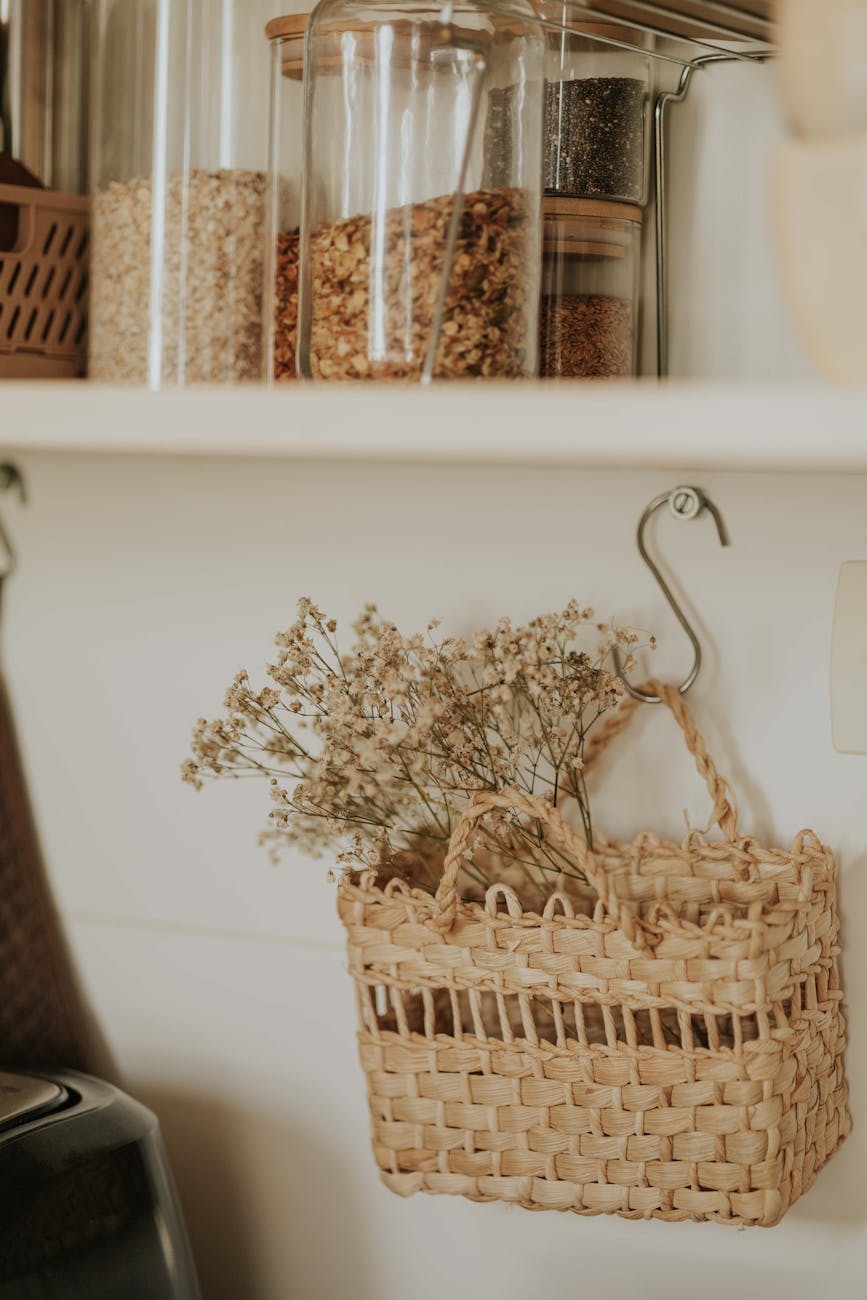
Elevating Functionality Through Cozy Pantry Decor
The pantry, often relegated to mere storage space, presents a unique opportunity for aesthetic intervention. When we approach cozy pantry decor, we are not simply applying pretty items; we are fundamentally restructuring a functional zone to enhance daily living experiences. Our analysis shows that the way we organize and decorate this space directly impacts our perception of the entire home’s atmosphere. We observe that a well-styled pantry transitions from a utilitarian bottleneck to an intentional, inviting culinary corner.
We begin by examining the core mechanisms at play. A cluttered pantry introduces visual noise, increasing cognitive load when attempting to locate necessary ingredients. Conversely, intentional styling minimizes search time and reduces stress associated with meal preparation. This shift requires understanding spatial dynamics and tactile engagement within the confined architecture of the pantry. We must treat the shelving not just as storage slots but as canvases for sensory experience.
Optimizing Vertical Space and Storage Solutions
The primary challenge in most pantries is inefficient vertical utilization. Standard, deep shelving often results in items being obscured by those stored behind them. To counteract this spatial limitation, we need to implement layered storage systems that maximize accessible volume. We found that utilizing tiered risers allows us to stack items vertically, effectively multiplying the usable surface area without encroaching on floor space. This strategy directly addresses density; it moves from a flat inventory to a three-dimensional arrangement of edibles and décor.
We should assess the height limitations in our specific pantry configuration. Tall, narrow jars or spice racks can be placed on lower shelves to create visual breaks. This deliberate arrangement dictates flow. Imagine organizing dry goods by frequency of use: frequently accessed items occupy eye-level, while less frequently used pantry staples reside on the upper shelves. This hierarchy establishes an intuitive system that supports efficient retrieval.
The Role of Texture in Creating Sensory Warmth
Moving beyond mere organization, introducing textural elements is paramount to achieving true coziness. Flat surfaces and uniform materials create a sterile, cold environment. To inject warmth into this functional space, we must introduce tactile variation. We observe that incorporating items with rich textures—such as woven baskets, linen-like fabric accents, or ceramic canisters with matte finishes—immediately softens the visual impact.
This principle connects directly to broader home styling principles. When layering textiles, for example, using materials like linen or chunky knits introduces an organic quality that counteracts the hard lines of cabinetry. This textural contrast signals comfort and invitation. Think about how fabrics interact with light; soft textiles diffuse light, creating softer shadows and a gentler ambiance within the pantry, which is particularly beneficial when we consider the lighting strategy employed in the space. For deeper exploration into this principle, reviewing techniques for Layering Textures: Mastering Cozy Home Decor with Fabric offers tangible methods for achieving this effect across the entire dwelling.
Curating Visual Elements: Beyond the Food
The concept of cozy pantry decor involves curating items that serve both storage functions and aesthetic purposes. We must transition from merely storing ingredients to displaying curated collections. This curation process requires selecting items based on their visual harmony rather than pure utility alone.
Consider the use of open shelving versus closed cabinetry. Open shelves expose the curated display, making the decorative choices central to the design narrative. Closed doors maintain a streamlined appearance but can feel impersonal. A balanced approach often involves mixing both; perhaps using closed cabinets for bulk storage and open shelves for visually appealing items like attractive spice collections or decorative canisters.
We can use pantry accessories to introduce thematic elements. For instance, grouping spice jars by color families, or arranging tea supplies in a pleasing geometric pattern, transforms the area into an accessible vignette. This micro-styling technique leverages the psychological effect of visual order on our mood.
Integrating Lighting for Ambiance
The quality of light fundamentally dictates how warm or cool a space feels. In practice, optimizing lighting within the pantry requires careful consideration of the light source and its interaction with the stored items. Harsh, direct overhead lighting creates sharp shadows and emphasizes clutter. To reverse this effect, we need to introduce softer, localized illumination.
Understanding the principles of warm illumination is key here. By implementing warmer-toned bulbs, we shift the color temperature toward the yellow end of the spectrum, which mimics candlelight or incandescent light. This subtle shift immediately imparts a feeling of warmth to even utilitarian spaces. Furthermore, integrating task lighting, perhaps small puck lights or battery-operated string lights tucked onto shelves, creates intimate zones. For comprehensive guidance on setting this atmosphere correctly, consulting resources like Beginner’s Guide to Cozy Lighting: Warmth, Brightness & Ambiance provides the necessary framework for manipulating light effectively.
Selecting Materials: The Foundation of Warmth
The materials we choose for our pantry decor must align with the desired aesthetic of warmth. Natural materials inherently possess a capacity to absorb and reflect light in a softer manner than highly reflective plastics or polished metals. Wood tones, matte ceramics, woven fibers, and untreated textiles all contribute to an organic feeling. When selecting new storage vessels or decorative accents, we should prioritize these tactile qualities.
For example, opting for wooden crates or terracotta containers introduces an earthy foundation that anchors the space. These materials resonate with natural elements, instantly elevating the perceived coziness factor. We see a strong correlation between material choice and emotional response; rougher, matte surfaces signal comfort while smooth, high-gloss finishes can feel more sterile. This selection process should be iterative; test different textures before committing to a full overhaul.
Establishing Rituals for Ongoing Coziness
Decorating the pantry is not a one-time event; it is the establishment of an ongoing ritual. Maintaining the cozy aesthetic requires consistent attention and adaptation as our culinary habits evolve. We must establish routines for replenishment and re-styling.
When new items arrive, we assess how they fit into the established visual rhythm. Do they complement the existing textures? Do they respect the vertical hierarchy we have established? This cyclical process ensures that the space remains functional while continuously evolving into a personal sanctuary. Observing these small adjustments reinforces the feeling of control and comfort within the home environment. The sustained effect of cozy pantry decor lies in this continuous, mindful interaction with the space.
Tags: pantry decor, kitchen styling, cozy home, functional decor, pantry organization, home decor
Featured Image by Letícia Alvares on Pexels.