
Engineering Atmosphere: Deconstructing the Hygge Aesthetic for Seasonal Comfort
The concept of hygge moves beyond mere aesthetics; it is a deliberate architectural strategy for manipulating sensory input to induce feelings of contentment and well-being. We observe from the data that the effectiveness of this aesthetic during transitional seasons like autumn and winter relies on controlling specific physical variables: light quality, tactile engagement, and spatial intimacy. Creating a genuine hygge home decor experience is not about accumulating objects, but rather engineering an environment where sensory friction is minimized and warmth is amplified.
The Mechanics of Light: Controlling Ambiance with Softness
Natural light shifts dramatically as the days shorten, creating deeper shadows indoors. To counteract this physiological shift, we must actively manage the illumination within our living spaces. Harsh, direct lighting introduces visual tension; it forces the eye to process sharp contrasts that conflict with the desired sense of calm. Therefore, the implementation of layered lighting becomes a critical design intervention. We prioritize sources that emit a warm color temperature, ideally below 3000 Kelvin, as this mimics the gentle glow of candlelight or a dying fire.
The strategic placement of light sources dictates how space is perceived. Using floor lamps with diffused shades prevents harsh glare and ensures light pools gently over surfaces rather than illuminating large, stark areas. This technique directly addresses visual fatigue. When we engage with soft illumination, the visual field expands into a softer, more enveloping state. This controlled diffusion allows natural materials to express their true texture without being overwhelmed by sharp highlights. We are essentially programming the visual system to anticipate comfort before the body consciously registers it.
Tactile Engagement: The Primacy of Natural Textures
The tactile experience forms the bedrock of hygge. Our sensory interaction with objects directly correlates with our emotional state. Synthetic, cold materials transmit a sense of detachment, whereas natural textures engage the skin in a more intimate, grounding way. We see this principle applied when selecting textiles and surface materials for seasonal dressing.
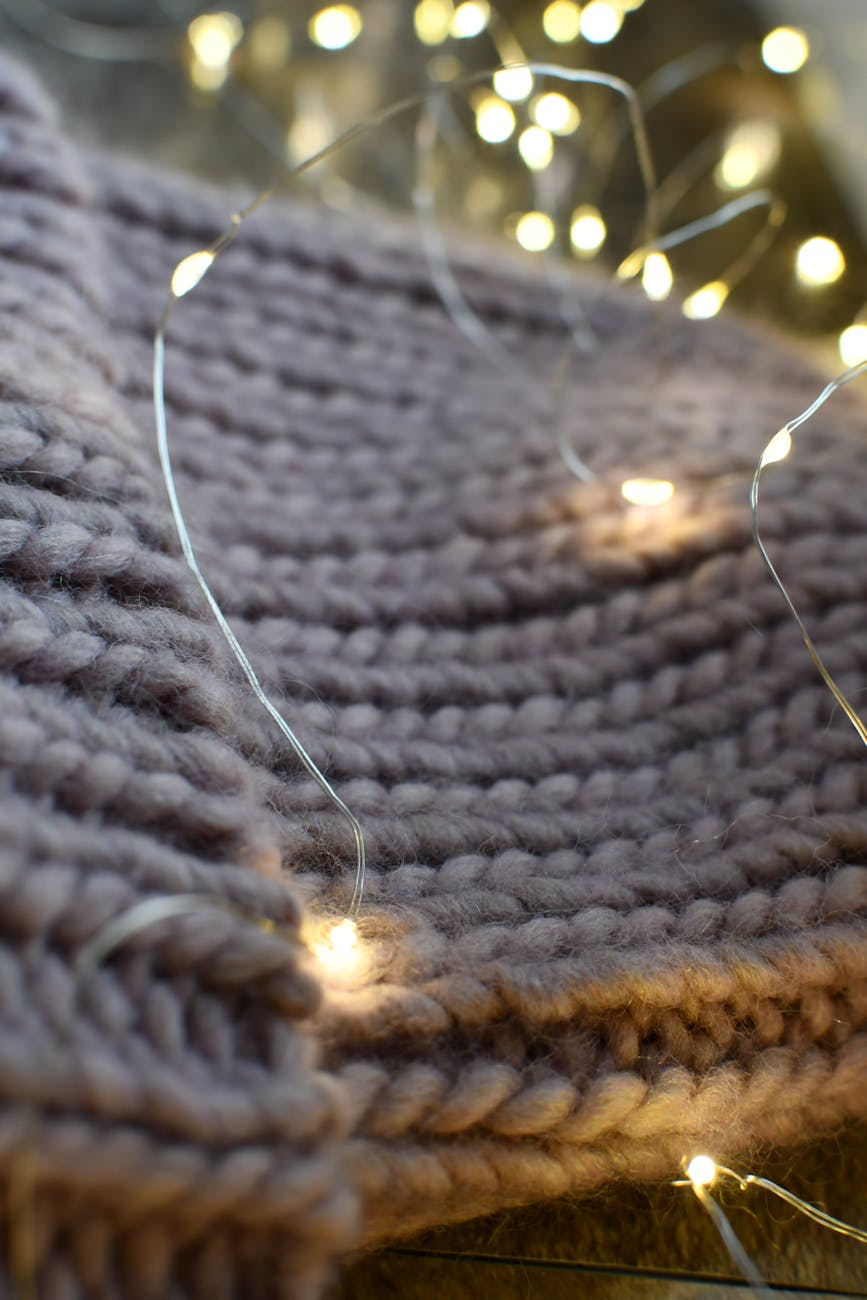
Wool, chunky knits, raw linen, and woven wool blankets are not simply decorative items; they are physical anchors that communicate warmth and security. The variance in weave—the visible texture of the yarn or the unevenness of a hand-thrown ceramic—introduces an organic complexity that smooth, uniform surfaces lack. When someone touches a heavily textured throw, the engagement is multi-sensory, engaging touch receptors differently than interacting with polished wood or flat plastic. This physical interaction stimulates the parasympathetic nervous system, signaling safety and relaxation to the brain.
Consider incorporating these natural elements into your decor strategy. A thick, hand-knitted throw draped over a sofa immediately shifts the room’s thermal perception. Similarly, using cork flooring or woven rugs underfoot introduces an earthy grounding that offsets the cool, hard surfaces of contemporary construction. This tactile layering ensures that every surface contributes to the overarching feeling of enveloping warmth.
Material Selection: Sourcing Authenticity for Enduring Comfort
The selection of materials dictates the longevity and authenticity of the hygge environment. We are looking for items that possess inherent character rather than manufactured uniformity. Wood, in particular, plays a vital role; aged wood grain provides visual depth that mass-produced veneers cannot replicate. Observing the natural patina of wood over time reinforces the sense of history and rootedness within the space.
When sourcing textiles, prioritizing natural fibers minimizes the introduction of synthetic chemical residues into the home atmosphere. Linen, cotton, and wool naturally regulate indoor humidity levels, contributing to a more breathable, comfortable microclimate. This consideration extends beyond mere appearance; it involves understanding the material’s interaction with the ambient air quality. We analyze how these materials manage thermal retention; thick wool fibers offer superior insulation properties compared to thinner synthetics.
This careful selection process connects directly to broader interior design philosophies. Understanding which materials harmonize best with a particular style is key. For instance, if one leans toward a rustic aesthetic, incorporating rough-hewn wood and heavy wool immediately aligns with that framework. If one prefers lighter, airier spaces, selecting linen and diffused light achieves an analogous effect of gentle comfort, even if the material palette shifts slightly.
Spatial Configuration: Cultivating Intimacy Through Arrangement
The physical arrangement of objects within a space is how we define zones of comfort. Hygge thrives in spaces that foster intimacy, encouraging slower, more deliberate interactions rather than large, open expanses designed for high-volume traffic. We analyze how furniture placement influences flow and feeling; grouping elements creates defined, cozy nooks.
Creating these intimate zones involves strategic layering. Placing seating arrangements so they face inward, often angled toward a central light source or a focal point like a fireplace, naturally draws occupants into a smaller, more contained sphere. This spatial configuration reduces the perceived scale of the room, making it feel more protective and enveloping. Think about how an arrangement can encourage shared reading or quiet conversation; this intentional structuring facilitates the slower pace associated with hygge living.
This process relates to larger design choices. Before selecting specific decor pieces, understanding the broader context of interior style matters immensely. We see that certain aesthetics inherently favor certain spatial relationships. Understanding the principles behind different interior design styles can inform how one configures their space for optimal coziness, whether leaning toward minimalist simplicity or maximalist comfort.
Integrating Hygge into Daily Rituals
Hygge is not a static state achieved by decorating once; it is an active ritual practiced daily. The effectiveness of this decor relies on integrating these elements into habitual behaviors. We must establish routines where the sensory experience becomes automatic rather than requiring conscious effort each morning.
This involves establishing evening rituals centered around light and texture. Dimming overhead lights and switching to warmer lamps before settling in signals a transition from external activity to internal rest. Preparing a cozy space involves consciously selecting textures—placing a soft blanket over the arm of a chair or arranging pillows with varied tactile qualities. These small, repeated actions reinforce the psychological association between the physical environment and emotional security.
We also observe that incorporating natural elements into functional areas enhances this ritual. A kitchen, often a place of stress, can be transformed by using natural wood cutting boards or woven textiles for dish drying mats. This application demonstrates how the principles translate from living areas to functional zones. When daily tasks are framed by tactile, warm interactions, the environment actively supports the desired feeling of hygge. The pursuit of cozy home decor ultimately becomes the cultivation of a mindful, sensory-rich existence.
Tags: hygge, autumn decor, winter home, natural textures, cozy living, home atmosphere, hygge inspiration
Featured Image by Darya Grey_Owl on Pexels.