
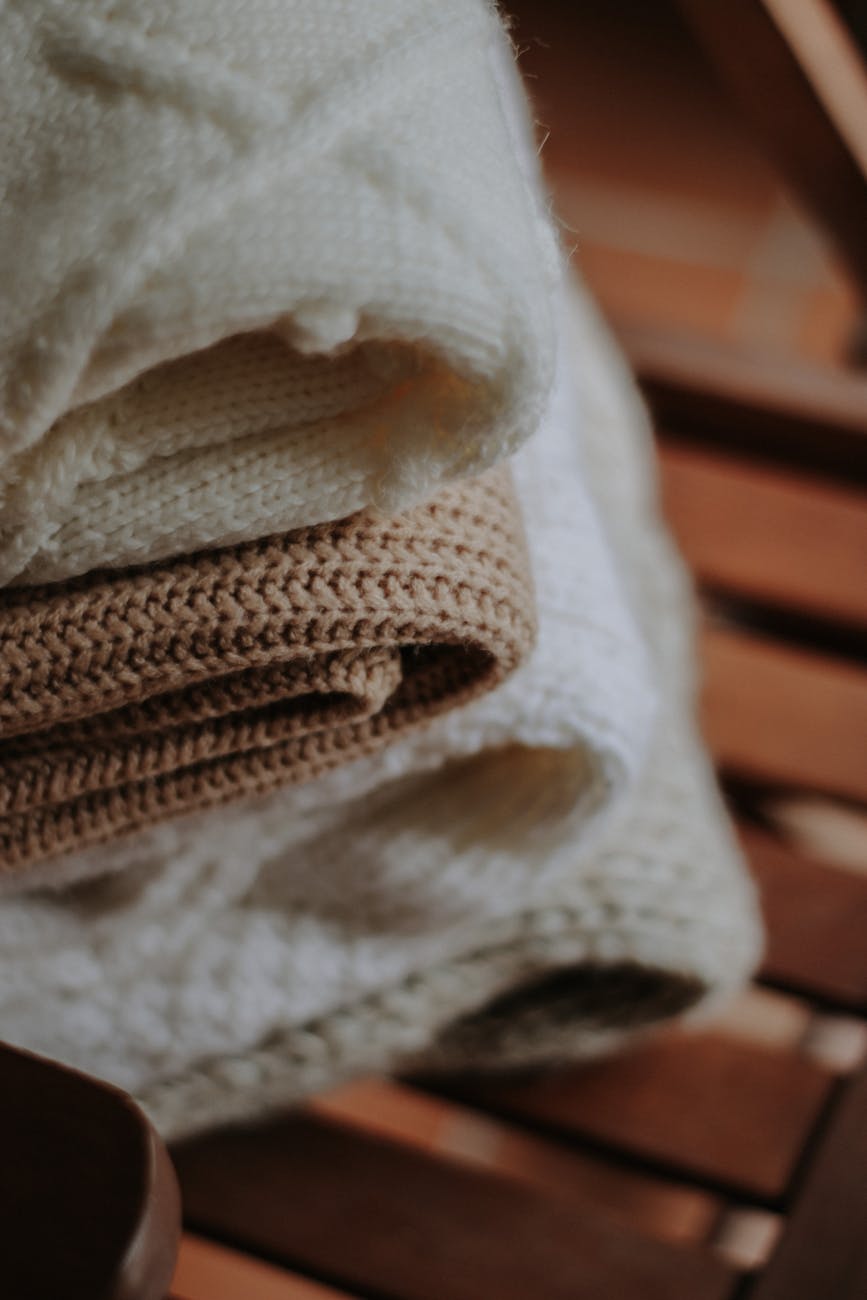
The Physics of Comfort: Deconstructing Layering Textures for Deep Sensory Engagement
We seek coziness not through singular focal points but through a complex sensory experience. The illusion of warmth, the feeling of being enveloped, arises directly from how light interacts with surfaces and how our tactile senses register varying densities. Mastering layering textures cozy home decor is essentially manipulating these physical principles to engage the human subconscious. We observe that flat, monolithic surfaces offer visual simplicity but lack the necessary depth for true comfort. True coziness manifests in the nuanced interplay between materials—the way a soft throw interacts with a rougher knit, or how a smooth linen catches light next to a deeply textured velvet.
This process is not random; it is an intentional construction of tactile information. When we stack textiles, we are creating zones of perceived warmth and visual interest that guide the eye and invite physical interaction. Consider the mechanism at play when introducing disparate fibers into a single space. A smooth cotton sheet provides a baseline, a foundation of calm. Introducing a chunky merino wool throw next to it immediately shifts the perceived temperature of the area. The difference in light reflection, the way one material absorbs light while another reflects it, generates visual depth that flat surfaces simply cannot replicate.
Material Science Behind Tactile Richness
The specific materials dictate the outcome of this layering process. We must analyze the physical properties of fibers: yarn thickness, thread count, weave density, and fiber composition all contribute to the tactile experience. For instance, a high-pile shag rug introduces significant surface variation; the trapped air pockets create deep shadows that enhance the feeling of depth. Conversely, a tightly woven linen offers a crisp structure, providing a counterpoint to the softness introduced by a draped cashmere blanket.
Velvet possesses a unique light-absorbing quality. Its dense pile captures and diffuses light in a way that creates an immediate sense of luxury and depth, making it ideal for focal points where visual richness is paramount. Wool fibers possess excellent thermal regulation; they manage ambient temperature effectively, which directly translates into perceived coziness when draped over seating. Linen, while breathable and elegant, offers a crispness that introduces textural contrast against heavier materials. Understanding these material mechanisms allows us to select pairings that amplify the desired sensory effect.
Establishing Visual Hierarchy Through Texture
The arrangement of textures dictates the visual hierarchy within a room. We can use layering as a deliberate tool to direct attention where we want it to go. By placing the richest, most visually arresting texture at the center of attention—perhaps a deep velvet accent pillow—we establish that area as the primary point of rest. Surrounding this focal piece with softer, more muted textures like a chunky knit throw ensures that the entire composition feels integrated and intentionally designed, rather than merely scattered.
This intentional arrangement relates directly to interior design principles. When selecting elements for spaces, understanding the established aesthetic context is crucial; you must consider which layering strategy aligns with broader stylistic goals. Whether pursuing minimalist aesthetics or maximalist comfort, the method of combining surfaces remains central. For those exploring various approaches, examining 10 Popular Interior Design Styles: Which One Suits Your Home? can offer context for how texture plays within different design philosophies.
Integrating Texture with Spatial Constraints
The effectiveness of layering textures changes significantly depending on the physical constraints of the space itself, especially in smaller environments. In spaces where spatial volume is limited, we must be strategic about textural density. Overloading a small area with excessive, high-pile materials can create visual chaos, overwhelming the intended sense of calm. We observe that careful selection is more impactful than sheer quantity when working with constraints.
When designing for smaller living areas, the goal shifts toward maximizing perceived comfort without sacrificing flow. Think about how layering interacts with sightlines. If you are decorating a small apartment, understanding Small Apartment Decorating Tips: Make Your Space Feel Bigger helps frame the strategy. In these situations, using textural contrast along a single plane—such as layering different woven rugs—can define zones without adding visual clutter. The texture provides the necessary interest where actual furniture placement might be constrained.
We use this principle to manage visual weight. A visually heavy texture, like a thick, heavily woven tapestry, should be used sparingly in small spaces to anchor a corner, providing maximum sensory impact from minimal physical space. Lighter, airier textures, such as sheer linen drapes layered over simple blinds, allow light to permeate while still introducing a subtle sense of softness near the window plane. This technique manipulates boundaries and perceived size simultaneously.
The Role of Scale in Textural Communication
Scale is the mechanism through which texture communicates its intended effect. A massive, oversized knit blanket draped across a sofa achieves an immediate, enveloping sensation of volume; it signals abundance and deep comfort. In contrast, a small, intricately woven throw provides a delicate, intimate layer, suggesting coziness as a personal, contained experience. We must adjust the scale of the textile to match the spatial context.
When decorating, we are essentially setting the scale for comfort within the physical dimensions available. If you are working with high ceilings and expansive floors, you have the freedom to employ grand, oversized textiles that invite sweeping, luxurious layering across large expanses. Should your space be intentionally streamlined or compact, smaller-scale variations—a carefully placed lumbar pillow made of a contrasting velvet, layered over a simple cotton throw—achieve the desired tactile depth with less visual imposition. This deliberate scaling ensures that the sensory experience remains immersive rather than overwhelming.
Developing a Cohesive Material Palette
Achieving sophisticated coziness through layering requires more than just tossing fabrics around; it demands developing an underlying material palette. The success of the texture interplay hinges on establishing harmonious relationships between the chosen fibers, colors, and finishes throughout the entire décor scheme. We must think about how these elements interact across different surfaces—from wall coverings to upholstery to accessories.
Establishing a consistent chromatic thread is vital. Pairing warm earth tones in your base fabrics ensures that all layers resonate with an inherent sense of warmth, regardless of the specific texture applied. Introduce subtle shifts in hue between layers; for example, using cream, ivory, and soft beige creates an enveloping, monochromatic coziness, while introducing deep charcoal or muted sage velvet adds necessary depth and visual contrast. This contrast is what prevents the layered look from becoming monotonous.
The interplay between matte and sheen surfaces also demands analytical consideration. A room saturated with high-sheen materials—like glossy silks or polished metals—can feel sleek but cold if not balanced by highly tactile, light-absorbing textiles like brushed wool or raw linen. We see that mixing these finishes prevents the space from tipping into either overly formal or uncomfortably flat territory. The goal is textural depth achieved through varied light interaction, not just surface reflection.
Practical Application: A Layering Checklist
When implementing this approach, a systematic checklist helps ensure the layered effect serves the ultimate goal of coziness. We analyze each area to determine its functional role in the sensory experience. Start by defining your foundational elements—the largest pieces like rugs and primary upholstery. These set the spatial stage. Next, introduce mid-layer textures, such as throw blankets and accent pillows, which provide immediate tactile engagement upon sitting or standing. Finally, incorporate fine layers, perhaps a textured throw draped over an armrest or decorative textiles used sparingly on shelving, to refine the overall sensory narrative.
Observe how each layer functions sequentially. The base fabric provides structure; the next layer adds warmth and depth; the final accent piece offers a specific point of tactile focus. This step-by-step approach ensures that layering textures cozy home decor evolves from an abstract concept into a tangible, deeply comfortable environment. It is about constructing a sensory experience where every touch invites relaxation, moving beyond mere visual appeal into profound physical comfort.
Tags: texture layering, cozy home decor, home textiles, interior design, fabric layering, cozy living, decor tips
Featured Image by Nati on Pexels.