
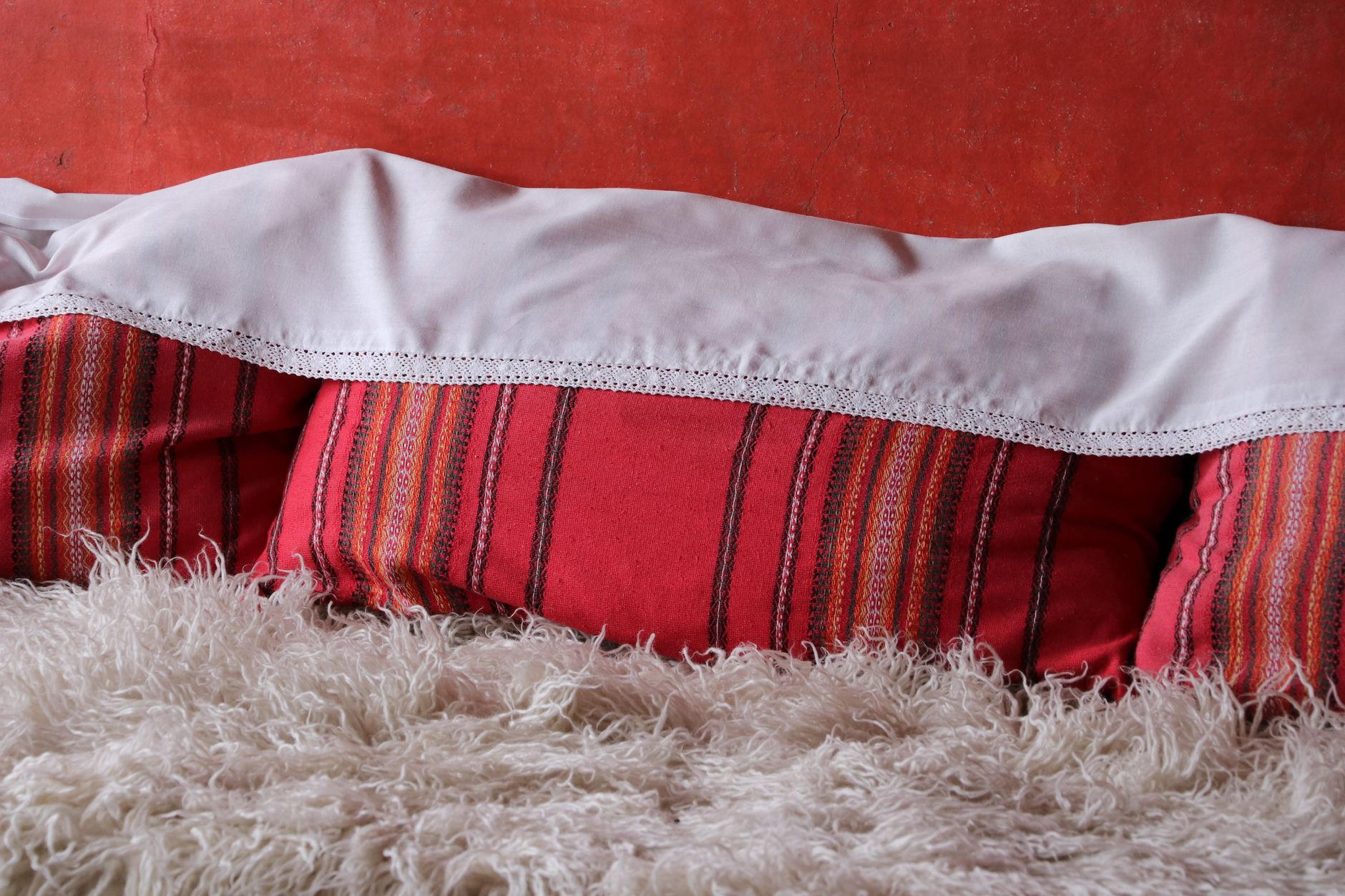
The Science of Tactile Comfort: Engineering Your Sleep Environment
We often approach sleep as a passive state, yet our physical comfort is deeply mediated by the textiles we interact with nightly. The sensation of coziness is not merely an emotional preference; it is a measurable physiological response dictated by thermal regulation and tactile input. Understanding how fabrics interact with the human body allows us to move beyond simple aesthetic choices toward intentional sleep engineering. This involves manipulating surface area, breathability, and material density to optimize the sleeping experience.
The mechanism behind superior rest involves managing thermal gradients. When we sleep, our core body temperature naturally dips, and the bedding acts as a crucial thermal buffer, trapping a layer of insulating air to prevent heat loss to the environment. Effective **layering luxurious bedding** is fundamentally about creating these controlled microclimates across different zones of the body. We observe that single-layer bedding offers insufficient insulation capacity for deep, restorative sleep, especially in fluctuating ambient temperatures.
Thermal Dynamics and Material Selection
The concept of thermal regulation relies on two primary principles: insulation value and breathability. Insulation value refers to a material’s resistance to heat flow, which is directly correlated with its ability to trap air. Materials like down, wool, and dense cotton possess high loft and fibrous structures that create numerous small pockets of trapped air, effectively slowing the rate at which thermal energy transfers across the surface.
Breathability addresses the vapor transfer. Moisture management is critical; if a fabric traps perspiration against the skin, evaporative cooling is impeded, leading to clamminess and disrupted sleep cycles. Natural fibers like linen or high-quality cotton possess excellent moisture-wicking properties, allowing excess humidity to evaporate efficiently away from the skin surface. Conversely, synthetic blends, while offering specific durability advantages, sometimes inhibit this natural vapor exchange if the weave structure is too dense. We must assess the material’s porosity alongside its insulating capacity when designing a bedding system.
Deconstructing the Layering Strategy
Achieving ultimate cozy comfort requires a systematic approach to layering, moving beyond simply piling on more fabric. Think of the setup as an assembly of functional thermal zones. This strategy dictates how external environmental factors are managed against internal body heat.
The base layer sets the foundational thermal performance. A high-quality sheet acts as the primary barrier between the skin and the subsequent layers. We find that choosing a material with a high thread count, or a dense weave, provides necessary structural integrity without compromising airflow. This initial stratum must be smooth enough to allow unrestricted skin contact while remaining robust.
The middle layer introduces the primary insulation. This is where the bulk of thermal regulation occurs. Utilizing materials with superior loft—such as down or thick, tightly woven wool—allows for maximum trapped air volume per inch of material. Placing this layer strategically over the base optimizes the R-value (thermal resistance) of the system.
The top layer functions as the final comfort interface and aesthetic element. This is the layer we interact with most directly. Whether it is a weighted blanket, a plush duvet, or a decorative throw, its texture dictates the perceived level of softness and sensory experience. The interplay between the insulating core and this tactile exterior determines the final subjective feeling of coziness.
Optimizing for Deep Sleep Cycles
Disrupted sleep cycles often stem from physical discomfort, which triggers sympathetic nervous system responses. A poorly regulated body temperature signals distress, preventing the transition into restorative deep sleep stages. Layering luxurious bedding directly mitigates these physical stressors by stabilizing the sleeping environment before the brain even registers the change.
When we focus on **layering luxurious bedding**, we are essentially tuning an external environmental variable to support internal physiological demands. Imagine a scenario where ambient room temperatures fluctuate; the layered system provides a buffered zone, maintaining a consistent thermal profile near the skin surface. This consistency allows the body’s natural circadian rhythm to assert itself without constant micro-adjustments caused by uncomfortable drafts or overheating.
Beyond the Bed: Integrating Space and Storage
The concept of cozy comfort extends beyond the immediate sleeping surface; it incorporates the surrounding environment. A beautifully layered bed feels incomplete if the rest of the space creates visual or physical friction. We must consider how textiles interact with vertical space.
When optimizing for smaller living areas, maximizing floor space while maintaining textural richness becomes a design imperative. The need to store necessary items without sacrificing aesthetic appeal forces us to examine vertical solutions. Implementing smart storage strategies allows for decluttering, which in turn reduces visual cognitive load, contributing significantly to a sense of calm. For instance, understanding how to maximize storage is directly linked to creating an uncluttered space conducive to rest, as seen when optimizing for **Cozy Ambiance in Small Spaces**.
We observe that the overall feeling of spaciousness influences perceived comfort. Dense, well-organized textiles contribute to a sense of intentionality rather than visual clutter. This principle extends into how we manage physical objects within the room. Exploring solutions for compact living demonstrates that efficient spatial management supports psychological ease. For those managing tight footprints, understanding **Cozy Storage Solutions for Tiny Apartments** reveals that thoughtful vertical integration is essential for maintaining both functional capacity and atmospheric serenity.
Material Deep Dive: A Comparative Analysis
The choice of material dictates the entire performance profile of the bedding system. We analyze materials based on their loft, fiber source, and durability to understand their long-term efficacy in providing comfort.
Wool excels due to its natural crimp structure, which traps air effectively regardless of moisture content, offering superior temperature regulation across a wide range. It resists microbial growth naturally, adding another layer of functional benefit for long-term textile health. Cotton remains highly popular for its softness and breathability; however, the specific weave density must be scrutinized to determine if it provides adequate thermal insulation when layered thickly.
Down and feather fillings provide unmatched loft relative to their weight, making them superb insulators. However, attention must be paid to sourcing and longevity, as synthetic alternatives or down substitutes require careful assessment regarding their long-term performance under repeated thermal cycling. The physical properties of the material dictate how effectively it performs its function in regulating body temperature during sleep.
Final Configuration: Achieving Sensory Harmony
The final act of layering is an exercise in sensory calibration. We are not simply stacking materials; we are constructing a personalized thermal envelope designed to invite deep, uninterrupted rest. The process requires iterative adjustment based on personal sensitivity and environmental data. Start with the base layer’s breathability, build insulation through loft, and finish with a top layer that satisfies tactile desire. This methodical approach transforms bedding from mere decoration into a sophisticated tool for physiological restoration. By mastering the physics of textile interaction, we unlock the potential for truly therapeutic sleep.
Tags: bedding tips, cozy home, textile therapy, luxury bedding, bedroom style, sleep comfort, home decor
Featured Image by Arkadia Zheleva on Pexels.