
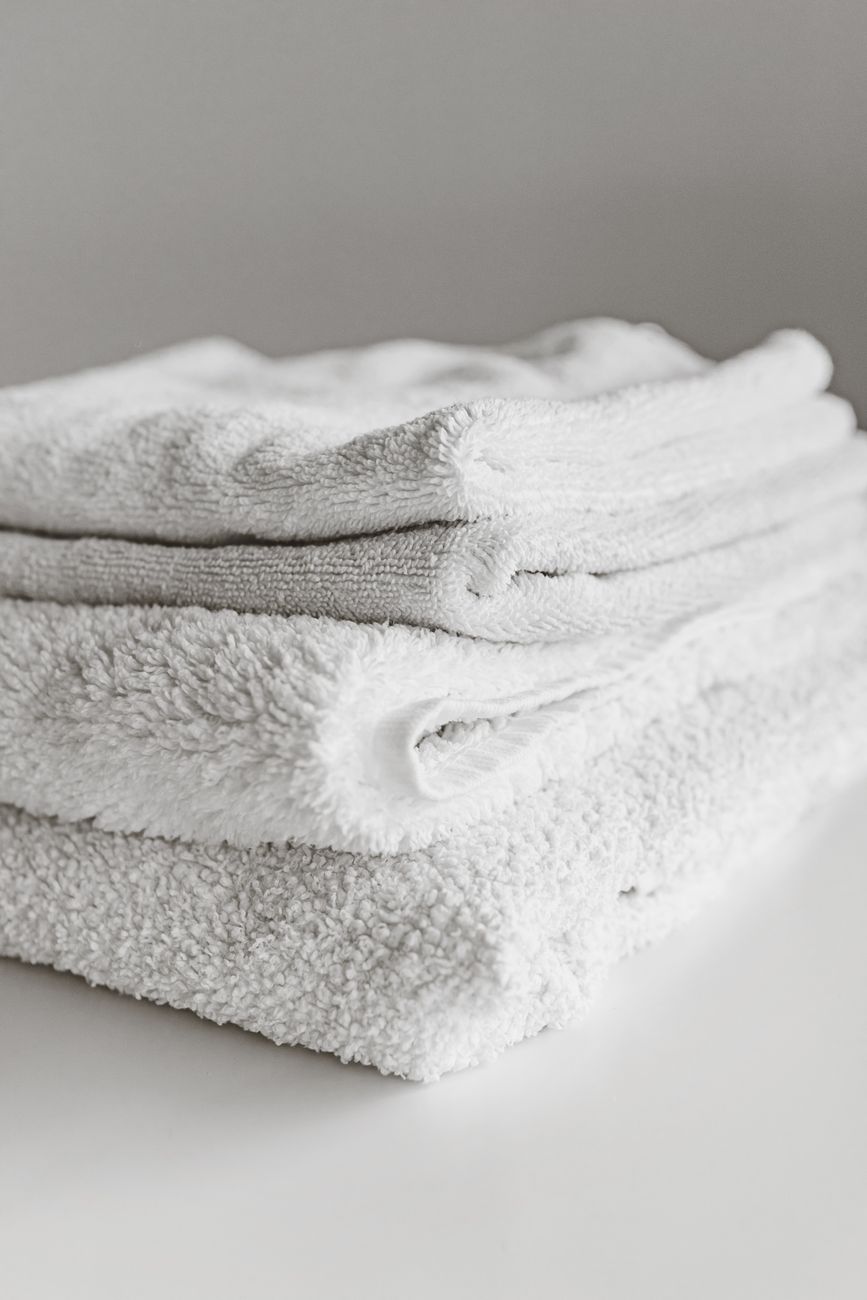
The Science of Sensory Comfort in Bathroom Design
We often associate bathroom design primarily with hygiene and functionality; however, a deeper examination reveals it functions as a critical zone for sensory experience. The goal shifts from mere utility to creating an immersive environment where tactile and visual inputs synchronize to induce relaxation. This is where the selection of cozy bathroom textiles moves beyond mere aesthetic preference and enters the realm of applied sensory psychology. We are manipulating environmental variables—texture, temperature perception, and visual softness—to modulate the occupant’s physiological state.
The human body processes tactile information intensely. When we interact with surfaces daily, the feedback loop influences our mood regulation. Soft textiles, particularly those made from natural fibers like high-grade cotton or bamboo blends, engage mechanoreceptors in a way that signals safety and ease to the nervous system. A coarse, synthetic surface registers as abrasive; a densely woven, plush textile signals immediate physical comfort. Our analysis suggests that incorporating these elements directly addresses chronic low-level stress accumulated throughout the day.
Texture Mapping: How Fabric Influences Perceived Warmth
The specific weave and fiber density dictate the thermal transfer properties of the space. We observe that thicker pile rugs or bath mats create a localized microclimate of perceived warmth, even when ambient room temperatures remain constant. This effect is rooted in how textiles trap air and modulate heat exchange near the body. For instance, a thick Turkish cotton towel does not merely absorb moisture; its loft creates an insulating layer that reduces conductive heat loss, making the immediate vicinity feel significantly warmer to the touch.
The choice of material dictates the tactile experience far more than surface color alone. Linen, for example, offers a slightly crisp, breathable texture that promotes air circulation, suitable for areas where moisture management is paramount. Conversely, deep-pile shag or waffle weaves maximize surface area contact, amplifying the sensory input associated with softness and invitation. When designing for ultimate coziness, we must assess how these textures interact with ambient light; light filtering across a deeply textured surface creates dynamic shadows that enhance visual depth and tranquility.
Material Selection: Balancing Luxury and Practicality
Selecting textiles requires balancing the desired luxury aesthetic against the functional demands of a high-moisture environment. We see a clear dichotomy between aesthetic aspiration and material endurance in bathroom settings. Bath towels demand superior absorbency and rapid drying capabilities, necessitating high-quality, tightly woven materials engineered for performance. These pieces must manage large volumes of water efficiently without compromising their luxurious feel.
For areas like bath mats or accent throws, the focus shifts toward enveloping comfort. Here, the priority is tactile delight. We look at materials that offer a rich hand-feel—think heavyweight Turkish cottons or organic wool blends. The mechanism at play here is proprioception; the feeling of the material against the skin communicates a sense of deliberate care and indulgence. Ignoring this sensory input results in a space that looks decorated but feels functionally cold.
When considering larger decorative elements, such as window treatments in the bathroom, the principle remains consistent: controlling light diffusion. Sheer fabrics allow soft, diffused light to penetrate the space gently, avoiding harsh glare. This visual softness complements the tactile softness of the textiles below, establishing a unified atmosphere of sanctuary. We observe that this layering of softness creates an enveloping effect that mitigates the starkness often associated with tile and glass surfaces.
Integrating Textiles for Holistic Ambiance
The impact of introducing cozy bathroom textiles extends beyond simple surface decoration; they function as primary atmospheric regulators. They are instrumental in shifting the psychological context of the room from a utilitarian space to a personal retreat. This integration requires considering how these elements interact with existing design choices, such as fixture finishes and overall color palettes.
We must analyze the interplay between the textile layer and the architectural shell. A stark white tile backdrop, for example, can feel clinical unless softened by rich textures that introduce organic complexity. Introducing deep, warm tones in textiles grounds the space, anchoring the visual experience. This creates a necessary counterpoint to the hard, reflective surfaces prevalent in bathrooms. The goal is to reduce visual tension by introducing rich, tactile depth.
Consider how these elements influence the overall sensory profile of a room. If the bathroom design leans toward spa-like minimalism, textiles should utilize muted, earthy tones and extremely high-quality, matte finishes. If the intention is maximalist coziness, bolder patterns and richer textures can be employed without sacrificing comfort. The choice dictates the resulting sensory narrative.
Layering for Depth: Beyond Simple Towel Placement
Effective use of cozy bathroom textiles involves strategic layering rather than isolated placement. A single bath mat provides a functional anchor, but true ambiance emerges when textiles are integrated throughout the space. We move from functional placement to immersive design by considering vertical and horizontal surfaces equally.
For example, positioning a plush, oversized towel not just on the rack but artfully draped over a bath stool or folded invitingly beside the tub enhances the visual invitation. This technique deliberately engages the viewer’s eye with texture and implied softness before they even touch the item. We are using textiles to define zones of comfort within the larger architectural space.
This layering strategy works powerfully when combined with other ambient factors. The effect is amplified when the textile choice mirrors the light quality present; soft, diffused lighting interacting with textured fabrics creates subtle shifts in shadow and light across the surfaces, deepening the sense of tranquility. This synergy is what transforms a functional necessity into an intentional sanctuary.
Sourcing the Right Textiles: Quality Over Quantity
The performance and longevity of these sensory investments depend entirely on the material quality utilized during the sourcing phase. We find that investing in superior raw materials yields dividends in both tactile experience and long-term durability. Cheap textiles often fail quickly; they lose their loft, fade rapidly under moisture exposure, or develop pilling due to low-grade fiber content.
When evaluating potential purchases for cozy bathroom textiles, we must scrutinize the yarn count, thread density, and post-processing techniques employed by the manufacturer. High thread counts ensure that the textile achieves the desired plushness without sacrificing structural integrity. For instance, examining the GSM (grams per square meter) rating provides a concrete metric for understanding the material’s density and potential insulating capacity.
We observe that natural fibers inherently possess superior breathability, which is critical in humid environments. Organic cotton, linen, and high-quality wool offer this balance of softness, absorbency, and resilience. Synthetic materials, while cost-effective, often lack the nuanced textural complexity required to genuinely elicit a feeling of luxury comfort when used for high-contact items like towels or bath mats.
The long-term analysis suggests that textile lifespan correlates directly with initial material investment. A durable, high-quality piece functions as an enduring element of the room’s aesthetic and sensory experience, resisting the rapid degradation seen in lower-grade alternatives. Selecting textiles is therefore an act of investing in sustained sensory well-being.
Tags: bathroom decor, cozy home, textile inspiration, bathroom textiles, soft decor, bathroom textiles, luxury bath
Featured Image by ROMAN ODINTSOV on Pexels.