
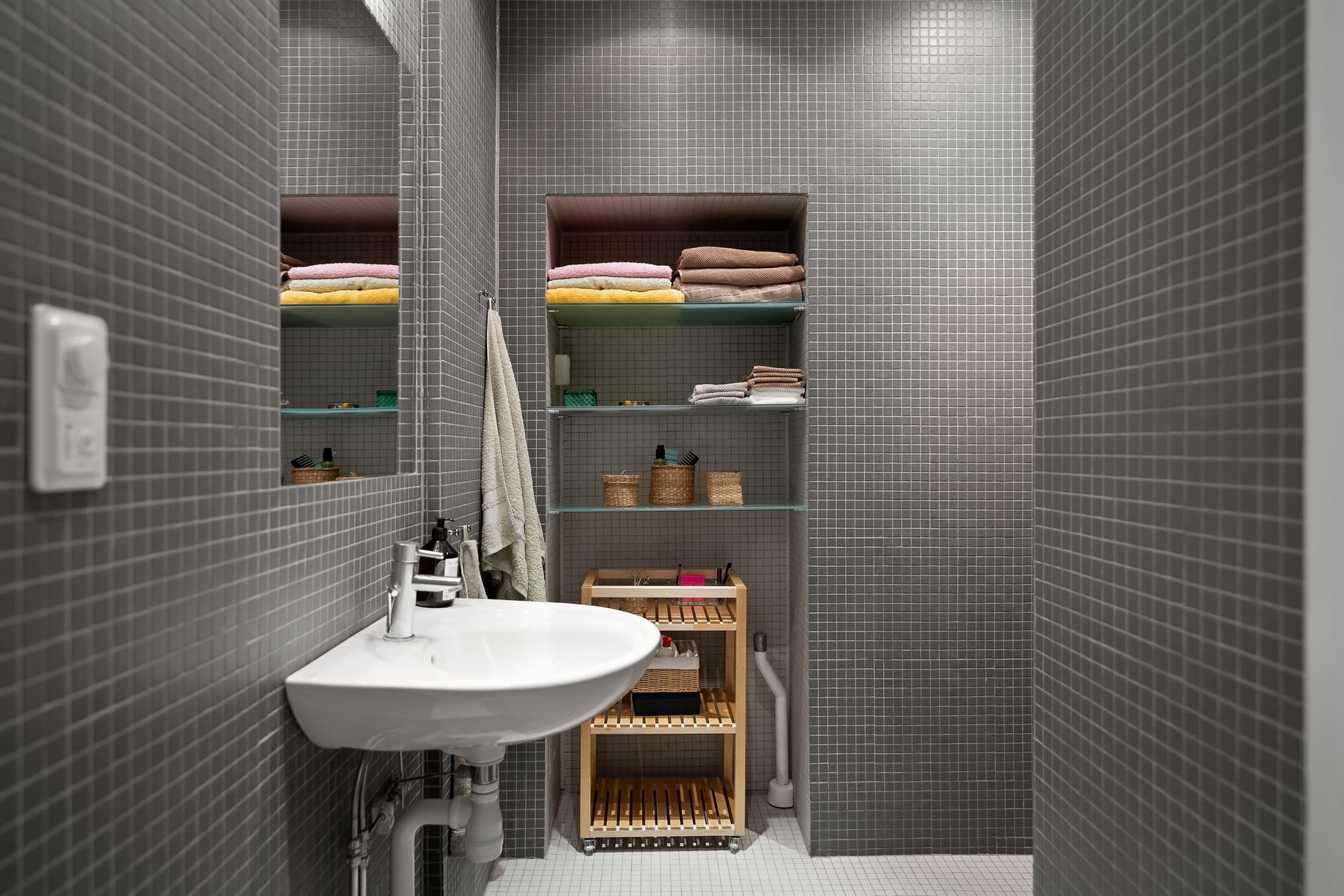
Maximizing Cubic Space: The Geometry of Cozy Storage
Living in a small apartment presents a unique spatial challenge. We are not simply dealing with a lack of square footage; we are managing a constraint on volume, forcing us to rethink how objects occupy three-dimensional space. The objective shifts from mere decoration to functional engineering within the confines of the room. This necessity drives the exploration of vertical solutions as the most efficient mechanism for optimizing storage capacity when horizontal floor space is severely limited. We observe that traditional, sprawling furniture patterns create dead zones where potential storage could exist, effectively wasting usable real estate.
The concept of **small space storage** hinges on manipulating the vertical dimension. When you stop viewing a wall simply as a boundary and start treating it as an infinite plane for storage, the possibilities expand immediately. This strategy involves implementing systems that draw the eye upward, creating visual pathways that feel open rather than cramped. We are leveraging the often-overlooked height of the room to introduce necessary functional elements without sacrificing the sense of coziness that defines our decor philosophy.
Deconstructing Horizontal Constraints
When floor space is scarce, the primary mechanism for spatial gain must be vertical stacking. This moves storage away from occupying precious square footage and into utilizing the unseen expanse above. Imagine a typical living area; instead of placing bulky, low-profile cabinets that eat up floor space, we can install shelving units that reach toward the ceiling. This architectural shift immediately alters the perception of the room’s capacity. We are not just storing things; we are reallocating visual weight by distributing items across the vertical axis.
This approach requires careful material selection. Lightweight yet sturdy materials allow us to maximize storage density without introducing undue structural bulk that further constricts the perceived space. The goal is achieving high volumetric efficiency, where every inch of vertical height contributes meaningfully to the system’s overall function. We must engineer solutions that look intentional, not tacked on.
Vertical Systems: Engineering Cozy Organization
Vertical shelving systems are the cornerstone of effective **small space storage**. They exploit the wall plane, transforming flat surfaces into functional storage modules. This is more than just hanging a few shelves; it involves designing the system based on the specific constraints of the room’s dimensions and the items requiring storage. For instance, narrow, tall bookcases offer significantly greater storage density per linear foot compared to their wide, shallow counterparts.
We see systems that incorporate open shelving for frequently accessed items, which reduces the visual weight of the storage unit itself. This transparency helps the eye travel unimpeded across the room, maintaining an airy feeling essential for coziness. Conversely, closed cabinetry offers a streamlined aesthetic, concealing clutter while still providing substantial capacity behind a unified facade. The choice between these two mechanisms depends entirely on the specific inventory and desired aesthetic outcome.
Implementing Slim Shelving Architectures
Slim shelving is not merely a stylistic choice; it is a functional necessity in constrained environments. By minimizing the depth of the shelves themselves, we reduce the amount of empty, unused space within the module. This design principle ensures that the majority of the allocated volume is dedicated to holding objects rather than creating cavernous air gaps between items and the shelf surface.
We observe that utilizing floating shelves, for example, creates an illusion of expanded volume because the floor remains visible beneath them. This visual trick plays directly into making a small room feel larger and more expansive. When designing these placements, we must calculate the load-bearing capacity of the wall structure before affixing heavy items, ensuring system integrity while maintaining that desired light aesthetic.
Integrating Texture and Comfort into Storage Solutions
The challenge in maximizing **small space storage** is balancing pure functionality with the mandate for coziness. A purely utilitarian grid can feel cold; true home decoration requires integrating tactile comfort into the storage experience. This is where the choice of materials transitions from purely structural to deeply experiential.
Consider the texture of the storage itself. Utilizing woven baskets or fabric-lined shelving introduces softness into hard, geometric structures. These soft elements absorb sound and visually soften the hard lines of the architecture. When you select textiles for your storage bins or decorative containers, you are actively contributing to the cozy atmosphere we seek. This tactile engagement transforms a purely functional necessity into an inviting feature of the decor.
We find that incorporating soft textures allows us to manage visual clutter effectively. A stack of neatly folded linens in a woven bin looks intentional and inviting; a disorganized pile of items hidden behind opaque containers feels oppressive. Think about how these elements interact with the surrounding décor. For instance, pairing a densely packed vertical shelf with a chunky knit throw draped over the bottom edge immediately signals comfort over pure utility.
Smart Solutions for Specific Zones
Applying vertical principles across different zones in a tiny apartment requires tailored strategies. The bedroom demands systems that prioritize accessible storage without visual intrusion. Here, tall, narrow wardrobes or floor-to-ceiling shelving maximize capacity while keeping the footprint minimal. We must ensure that the height utilized does not overwhelm the ceiling line but rather uses it to its full potential for storage access.
For areas requiring focused tranquility, like a home office nook, verticality remains crucial. A well-designed setup can incorporate shelving for books and supplies above the desk surface, effectively segregating functional items without encroaching on the necessary working plane. One can establish a dedicated zone where focus is paramount; this requires creating an organized environment that supports concentration, something explored in setups like the Cozy Home Office for Focus & Calm, where visual flow and organization directly impact mental clarity.
The Psychological Impact of Decluttering Volume
The most profound benefit derived from implementing vertical storage is the psychological shift it induces. When physical space is managed efficiently, the mental load associated with clutter diminishes significantly. We observe that visual spaciousness correlates directly with reduced stress levels. A room filled with neatly organized, accessible storage feels less chaotic and more manageable than one burdened by sprawling, visible items.
The process of decluttering volume is intrinsically linked to this physical reorganization. It requires an analytical approach: assessing the frequency of use for each item before assigning it a location. If an item is rarely used, its storage solution can be simpler and less visually demanding. This deliberate curation ensures that the vertical magic we employ serves a purpose beyond mere capacity; it facilitates a calmer living experience.
Embracing **small space storage** through vertical design is about engineering a harmonious coexistence between necessity and desire. We are not just stacking boxes; we are designing an environment where every object plays a role in enhancing the cozy, functional aesthetic. Start by mapping your room’s constraints and then begin constructing your vertical solution, observing how efficiently you can transform limited dimensions into abundant, inviting space.
Tags: small space storage, apartment decor, slim shelving, vertical storage, tiny apartment hacks, cozy home, space saving
Featured Image by Lisa Anna on Pexels.