
Crafting an Atmosphere: The Mechanics of Winter Wonderland Decor
The concept of a winter wonderland transcends mere aesthetics; it is an intentional atmospheric construction achieved through specific light, texture, and material layering. We are not simply draping lights; we are manipulating how ambient light interacts with surfaces to evoke a specific emotional response. Observing successful seasonal styling reveals that the efficacy of this theme hinges on controlling light diffusion and material contrast.
The core mechanism involves simulating the ethereal quality of snow and frost using accessible household elements. This requires selecting materials that possess high reflectivity when illuminated, juxtaposed against deep, matte textures that absorb light, thereby enhancing the perceived brightness of the reflective elements. Consider the use of frosted glass; its surface treatment diffuses incoming light, scattering it into a soft, diffused glow rather than harsh reflections. This effect mimics the way light refracts through ice crystals, creating an internal luminescence within the space.
Deploying Illumination: The Power of Fairy Lights
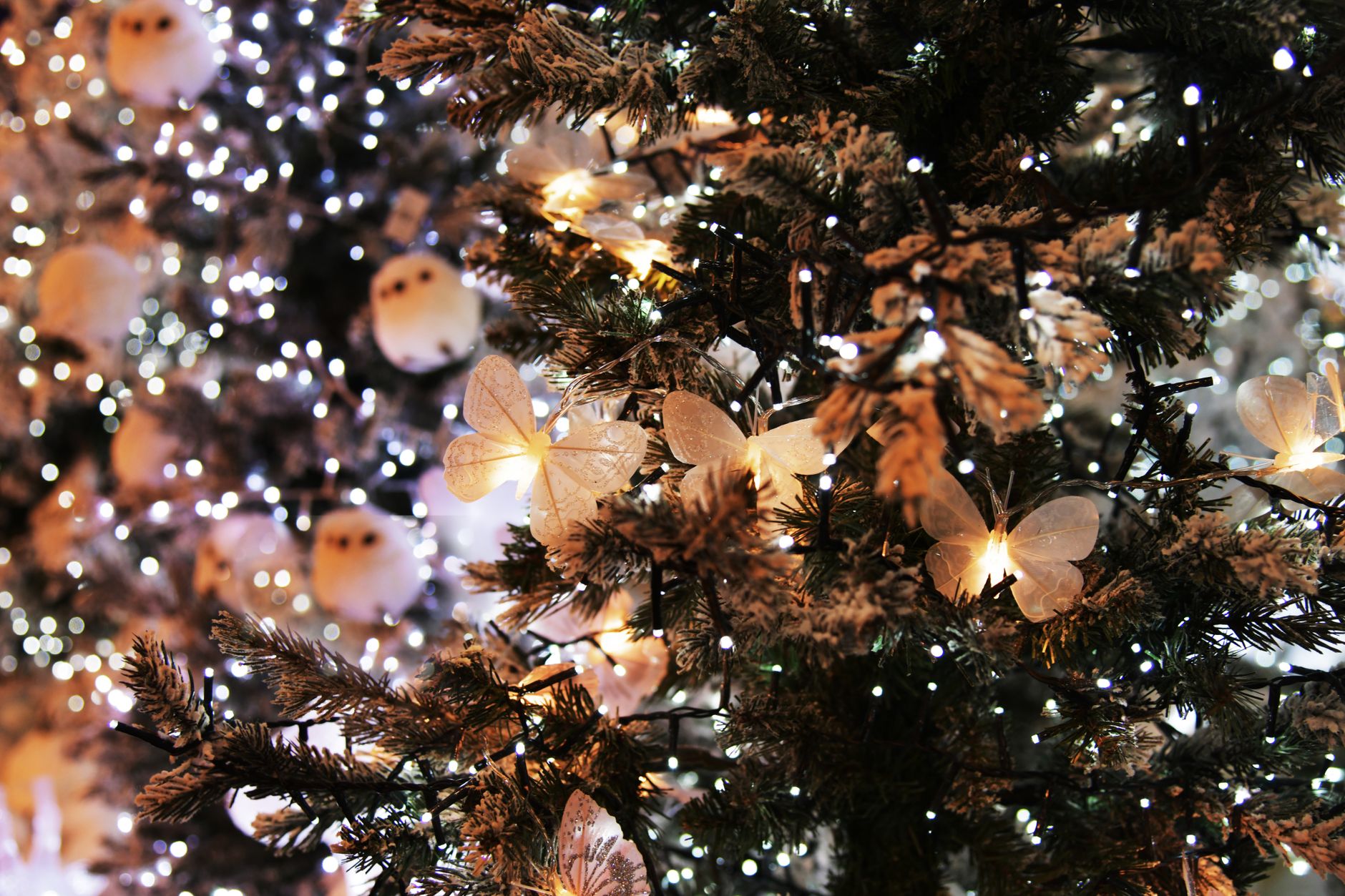
Fairy lights form the backbone of any successful winter wonderland installation because they provide that essential, warm, twinkling focal point. The quality of the light source itself dictates the perceived coziness. We observe that LED filament bulbs, those with a slightly warmer color temperature (around 2700K to 3000K), are superior for this purpose compared to stark white, high-Kelvin sources. This specific spectral output engages the visual cortex in a relaxing manner, signaling warmth and intimacy.
When deploying these lights, spatial distribution becomes critical. Instead of haphazard placement, we structure the light paths. Stringing them densely around architectural features, such as window frames or mantelpieces, creates defined zones of enchantment. The density controls the intensity gradient across the room. A sparse arrangement allows the light to drift gently, suggesting a vast, open landscape. Conversely, a dense cluster achieves an immediate, enveloping warmth perfect for a reading nook. This deliberate manipulation of light density is how we engineer the illusion of depth in our decor.
Textural Layering: Mimicking Frost and Snow
Achieving the frosty element requires engaging with texture beyond just visual appeal. Snow is inherently soft and uneven; therefore, the materials used must reflect this tactile quality. Frosted glass handles this requirement perfectly by softening hard lines. We can layer other textures to deepen the effect. Think about incorporating sheer fabrics—linen or voile—to introduce an airy, translucent quality that catches the fairy light beams. This layering prevents the scene from feeling flat; it introduces depth through varying degrees of light occlusion.
The contrast between these delicate surfaces and heavier elements is what anchors the fantasy in reality. Placing a soft throw blanket over a textured surface immediately grounds the ethereal elements. For instance, draping a chunky knit blanket over an armchair juxtaposes the fine, cool quality of the glass and lights with the tangible, inviting softness of wool. This textural dialogue enhances the feeling of coziness by offering sensory anchors. When styling spaces, we must analyze how these tactile differences modulate the visual experience; surfaces that absorb light create grounding zones, while reflective surfaces draw the eye upward into the magical illumination.
Integrating Frosted Glass and Ambient Reflection
Frosted glass acts as a crucial intermediary in this process of atmospheric engineering. It manages the intensity of light entering or reflecting within the space. When positioned near windows, it transforms harsh daylight into a soft, diffused glow. This technique works particularly well when placed against darker interior walls, creating intentional pools of luminous color. We are effectively controlling the visual information presented to the observer.
The reflective properties of these surfaces play an active role in amplifying the fairy light effect. Each pane of frosted glass becomes a subtle prism, catching the tiny pinpricks of light and scattering them across the immediate vicinity. This secondary reflection multiplies the perceived number of lights without requiring excessive physical placement. We observe that this indirect lighting strategy is far more sophisticated than simply hanging lights directly on a flat surface. It engages the entire volume of the room in the visual narrative.
Designing for Cozy Comfort: Material Choices
The transition from a decorative display to a genuinely cozy environment requires attention to materiality throughout the space. The selection of textiles must prioritize tactile comfort and visual warmth. Wool, cashmere, and heavy knits introduce significant thermal and visual weight, signaling safety and retreat. When selecting these items, one must consider the material’s drape; fabrics that pool softly invite physical interaction, reinforcing the feeling of sanctuary.
For instance, when curating a seating area, introducing a heavily textured throw immediately elevates the space from merely decorated to intentionally comfortable. This principle extends beyond large furnishings into smaller details. Styling surfaces requires understanding how light interacts with different material densities. A smooth ceramic surface reflects light cleanly; a heavily woven textile absorbs it intimately. Examining how these properties influence the flow of the room informs the final arrangement.
Practical Application: Creating Focal Points
To execute this vision successfully, focus energy on creating intentional focal points where the magic converges. These anchors should marry the light sources with the textural elements. A grouping of fairy lights draped over a window ledge, positioned near a piece of frosted décor, establishes an immediate narrative for the viewer. This convergence concentrates the visual effect, preventing the theme from feeling scattered across the entire area.
Consider how this concept applies to other areas of the home. Even functional spaces benefit from this atmospheric shift. Styling a kitchen counter requires introducing textures that balance utilitarian surfaces with warmth. For example, styling with materials that mimic natural textures, like those found in wood or soft textiles, softens the hard lines of cabinetry and provides an inviting surface for daily interaction. This is why integrating elements like cozy kitchen countertops, styled with natural textures, works so effectively; it marries function with the desired sensory experience.
The Psychology of Winter Wonder
Ultimately, successful winter wonderland decor taps into a deep psychological desire for sanctuary during colder months. The visual environment must signal safety, warmth, and gentle magic simultaneously. We are creating an escape, a curated space where external harshness is filtered out by soft light and enveloping textures. The careful orchestration of diffused light and rich, tactile materials manipulates the viewer’s perception of time and space.
The effect is not just visual; it is experiential. When one enters such an environment, the sensory input—the soft glow, the gentle texture underfoot, the diffused light—induces a state of calm engagement. This deliberate atmosphere moves beyond simple decoration; it functions as an emotional regulator for the inhabitant. We achieve this by understanding that every element, from the choice of glass to the placement of a string of lights, is contributing to the overall psychological architecture of the room. The goal is to craft an immersive experience where magic resides in the details of light and touch.
Tags: winter wonderland decor, fairy lights, frosted glass, winter decor, holiday decorating, cozy home, seasonal decor
Featured Image by Serena Koi on Pexels.