
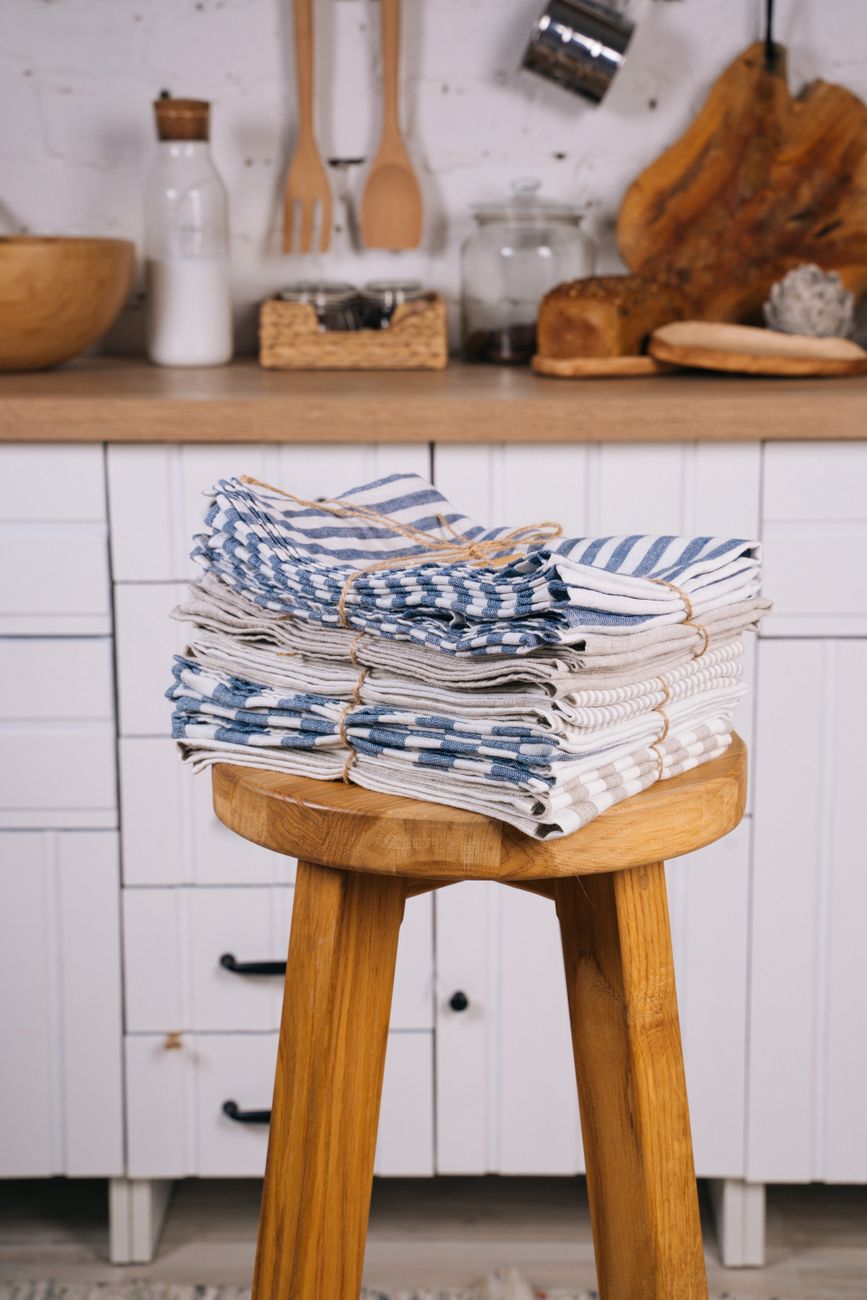
The Science of Textile Layering for Kitchen Comfort
We observe that the tactile experience of a space is not defined by a single large item but by the accumulation and strategic placement of smaller elements. When we focus on the kitchen, the goal shifts from mere functionality to sensory immersion; we seek environments where physical comfort dictates the mood. This requires understanding how textiles interact with light, temperature, and visual depth. Mastering the art of layering linens and rugs in a kitchen is essentially an applied study in spatial psychology, manipulating perception through texture and density.
The primary function of this technique is to introduce visual complexity that mimics organic, lived-in environments. A single placemat provides a flat plane; multiple overlapping textiles create topographical shifts, guiding the eye and signaling zones within the workspace. This layering mechanism directly addresses the desire for coziness by increasing perceived material richness. We are not just covering surfaces; we are engineering an atmosphere through tactile feedback.
Establishing the Foundation: The Role of Linens in Kitchen Design
Linens serve as the foundational layer in any textile stack, setting the baseline for warmth and visual softness. In a kitchen context, this involves selecting materials that respond well to the functional demands of the space—high-traffic areas require durability, yet aesthetic appeal demands softness. We analyze how different fabric weights influence the overall sensory experience. A heavy, tightly woven linen absorbs sound and visually anchors the space, immediately signaling stability. Lighter weaves allow light to pass through, creating an ethereal quality that contrasts beautifully with heavier elements placed on top.
Consider the interaction between the cabinet fronts, countertops, and floor plane. When you introduce textiles here, you are modifying the perceived distance and intimacy of the room. The way a tea towel drapes over a wooden cutting board, for instance, creates an immediate sense of domesticity that transcends simple utility. We see this principle extend beyond the kitchen; the same spatial manipulation applies when we think about creating atmosphere in other rooms, such as how carefully layering light can transform a living area into something much more inviting, like the principles demonstrated in [Layering Light for a Cozy Living Room (https://decorandliving.com/layering-light-cozy-living-room-3/)].
Integrating Rugs: Defining Zones Through Floor Dynamics
Rugs introduce a crucial vertical dimension to textile layering. They function as anchors, defining specific zones within the larger expanse of the kitchen floor. The selection process demands an analysis of scale and fiber content. A large rug spanning the area beneath a breakfast nook establishes an undeniable zone of relaxation. Smaller mats or runners placed strategically near seating areas serve to bridge transitional spaces, connecting functional zones with aesthetic flow.
The physical interaction between the rug and the underlying surface is critical to this effect. A thick, plush rug introduces significant tactile resistance underfoot, immediately communicating warmth and insulation. Conversely, a thinner, more tightly woven mat allows the texture of the underlying floor material to subtly influence the overall feel. Our analysis suggests that using rugs strategically allows the user to modulate their experience based on where they are standing or sitting. This active engagement with the floor plane enhances the feeling of being settled rather than merely standing within a room.
Selecting Materials: Texture as a Sensory Input
The choice of material dictates how effectively the layering strategy translates into actual comfort. We must move beyond pattern selection and analyze texture, weave, and fiber density. Natural fibers—cotton, wool, linen—naturally possess a softness that invites physical touch. Synthetic materials, while offering durability benefits, require careful consideration regarding their thermal and visual properties in a cozy setting.
For the kitchen environment, where potential spills and frequent use occur, durability must coexist with luxury. We look for materials that resist pilling and maintain their soft hand-feel even after repeated washing cycles. Observing how light diffuses across these surfaces reveals much about their quality; matte finishes absorb light, fostering shadow and intimacy, while slight sheens reflect light, introducing a subtle visual sparkle. This interplay between absorption and reflection is what crafts the ultimate feeling of warmth.
Practical Application: Constructing the Cozy Kitchen Textiles Stack
Putting theory into practice requires an intentional stacking sequence. We recommend starting with larger, foundational pieces—perhaps a large runner or placemat defining the main work area—and then layering smaller items on top to introduce textural variation and visual interest. This process builds complexity gradually, avoiding overwhelming the eye with too much competing pattern.
Imagine a scenario: a heavy cotton tea towel is placed over a wooden countertop surface; a smaller, woven mat is tucked underneath a seating arrangement. This deliberate juxtaposition creates a rich sensory dialogue. The resulting effect is not simply decorated; it becomes inhabited. We are creating micro-environments within the macro-space of the kitchen. When we consider how we manage visual input in spaces designed for rest, this technique becomes even more potent. For example, ensuring that surfaces invite relaxation mirrors the strategy used when optimizing environments for sleep, as seen in [Ambient Lighting for Sleep: Create a Serene Glow in Your Bedroom (https://decorandliving.com/ambient-lighting-bedroom-sleep/)]—both rely on controlling sensory input to achieve a desired state.
The successful execution of this layering process relies on understanding negative space; the gaps between textiles are just as important as the materials themselves. These voids allow the eye to rest and appreciate the interplay of light and shadow across the surface topography. We see that intentionally leaving some areas uncluttered allows the warmth generated by the textiles to permeate the entire visual field, making the space feel enveloping rather than merely covered. This is how true coziness manifests: not through abundance, but through considered density.
Tags: kitchen textiles, cozy decor, kitchen rugs, linens, home textiles, kitchen comfort, textile layering
Featured Image by Tima Miroshnichenko on Pexels.