
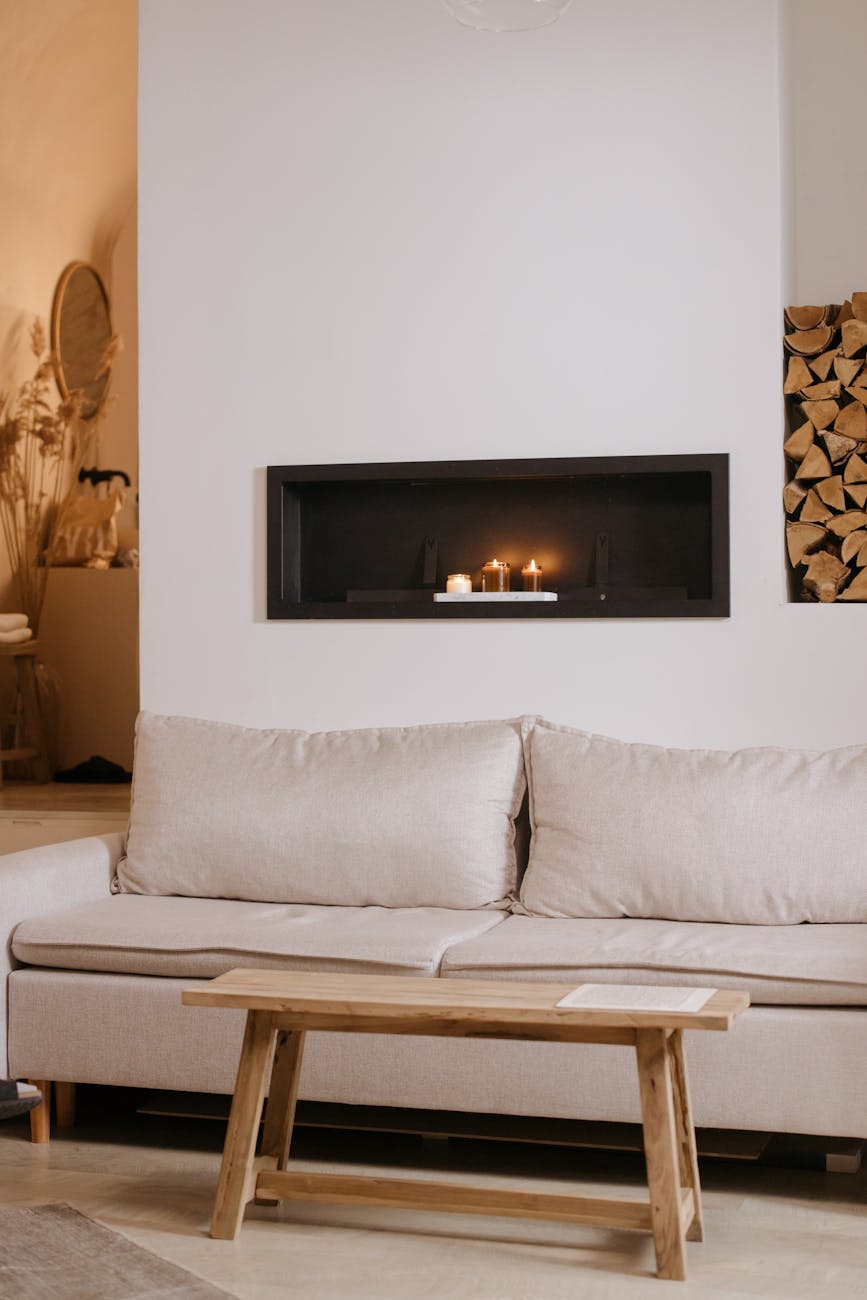
The Psychology Behind Hygge Interior Design
We observe a distinct psychological shift when intentionally curating a space to embody hygge principles. This concept moves beyond mere aesthetic choice; it functions as an environmental strategy designed to modulate mood and promote psychological well-being. When we design for hygge, we are engineering an atmosphere where perceived stress levels decrease and feelings of contentment increase. The mechanism at play involves sensory input: manipulating light quality, introducing organic textures, and fostering a sense of sheltered intimacy.
The Scandinavian influence is not accidental; it stems from a cultural appreciation for mitigating the harshness of long, dark winters through intentional interior warmth. This translates directly into material selection and spatial arrangement. We see a preference for simplicity—a reduction in visual clutter allows the mind to rest. Clutter introduces cognitive load; simplicity reduces the energy required for sensory processing. This deliberate minimalism forms the foundation upon which true coziness is built.
Deconstructing the Elements of Hygge
Hygge interior design operates through the careful orchestration of several interconnected elements. These elements interact dynamically, creating a cohesive sensory experience rather than simply placing decorative items around a room. Understanding how these components function allows us to replicate the effect intentionally.
The Critical Role of Lighting Design
Lighting is perhaps the most potent tool in achieving the hygge effect. We are not simply illuminating a space; we are sculpting its mood using light temperature and diffusion. Harsh, high-Kelvin artificial lighting actively suppresses relaxation. Instead, the strategy demands warm color temperatures, typically below 3000 Kelvin, mimicking the soft glow of candlelight or diffused daylight. Layering light sources is crucial here. Relying on a single overhead fixture creates unflattering shadows and an uninviting atmosphere. We utilize multiple ambient layers: floor lamps casting pools of warm light, table lamps providing intimate focal points, and indirect lighting reflecting off textured surfaces. This layered illumination creates depth and softness; it prevents any single area from feeling stark or exposed.
Materiality: Connecting to Nature
The tactile experience of a space is inseparable from its emotional resonance. Natural materials intrinsically link the interior environment to the natural world, which our biology has evolved to associate with safety and calm. Wood, wool, linen, and untreated ceramics are foundational to this approach. The visual and physical quality of these surfaces directly impacts how we feel when we inhabit the space. For instance, the grain in natural wood provides an organic visual rhythm that contrasts beautifully with smooth synthetic surfaces.
When selecting textiles, the tactile experience becomes paramount. We must prioritize materials that invite touch. Textural Treasures: Layering Knits, Bouclé, and Velvet for Cozy involves selecting fibers known for their softness and depth. Bouclé offers a wonderfully tactile, undulating surface that absorbs light gently. Velvet introduces a deep, luxurious visual richness that enhances the sense of enveloping warmth. These materials signal immediate physical comfort long before conscious thought processes engage with the design.
The Geometry of Comfort: Spatial Arrangement
The arrangement of furniture must support the goal of creating an intimate sanctuary. This involves defining zones within a larger space rather than merely filling it. We aim for spaces that encourage lingering and reflection, not just transit. Large, overstuffed seating invites settling in, encouraging slower movement. Grouping elements around a central focal point—perhaps a fireplace or a large window—directs the viewer’s attention inward. The negative space around objects is as important as the objects themselves; allowing empty areas prevents visual overload and enhances the feeling of spacious, yet contained, comfort.
Implementing Hygge Principles in Practical Application
Translating the theoretical framework into actionable design requires a methodical approach focused on sensory calibration. We must focus on creating intentional points of warmth rather than attempting blanket coziness across every square inch of a room simultaneously. This is where intentional curation supersedes mere decoration.
Curating Textural Layers
The principle of layering texture is central to achieving authentic hygge. A flat surface, no matter how well-lit, lacks the necessary invitation. We layer textiles to introduce complexity and depth to the visual plane. Think about how different fibers interact with light and touch. A smooth linen sofa paired with a chunky knit throw introduces an intentional textural contrast that stimulates sensory engagement. This layering prevents the room from appearing flat or overly uniform. When considering floor coverings, natural wool rugs absorb sound and provide grounding warmth underfoot, contributing significantly to acoustic coziness.
When furnishing seating areas, prioritize materials that invite prolonged occupation. A deep, soft armchair is inherently more inviting than a rigid, upright piece. The choice of upholstery dictates the mood immediately; opting for rich, matte fabrics over high-sheen synthetics slows down visual processing and encourages relaxation. We find that introducing elements like those found in Textural Treasures: Layering Knits, Bouclé, and Velvet for Cozy (https://decorandliving.com/layering-knits-boucle-velvet-cozy/) provides this necessary depth.
Integrating Natural Elements
Bringing the outdoors in is an essential mechanism for grounding the interior experience. Incorporating abundant natural elements—fresh greenery, raw wood beams, and stones—connects the interior environment to living systems. Plants introduce organic shapes and vibrant, living color that counteracts the muted palette often associated with minimalism. Wood grain should be allowed to express its inherent character rather than being masked by heavy paint or overly glossy finishes. This allows the natural imperfections of the material to contribute to the feeling of lived-in warmth.
This integration works powerfully when paired with the use of natural light. Maximizing window exposure ensures that the natural daylight illuminates the textures and materials authentically, deepening their inherent qualities. We observe that spaces flooded with natural light feel inherently more open and inviting than those reliant solely on artificial illumination.
Mastering the Art of Soft Illumination
The transition from functional lighting to atmospheric lighting requires a deliberate shift in focus. Forget harsh overhead illumination entirely for evening settings. Focus instead on creating pools of soft, indirect light that highlight specific zones of comfort. This involves utilizing dimmer switches extensively, allowing occupants granular control over the intensity of the ambiance. The interplay between shadows and illuminated areas creates visual interest and psychological depth.
This technique reinforces the idea that lighting is an active design element, not a passive utility. When selecting lamps, choose fixtures with diffused shades or materials that scatter light gently across the surface. This careful manipulation of photons directly influences the viewer’s physiological state.
The Mechanism of Slow Living Through Design
Ultimately, successful hygge interior design functions as a physical manifestation of slow living principles. It requires resisting the urge toward rapid consumption and focusing instead on the quality of immediate sensory experience. The goal is to create a space that encourages pausing, unwinding, and savoring the present moment.
We move away from designing for high visual impact and shift toward designing for deep, sustained comfort. This involves selecting durable, timeless pieces over fleeting trends. It means embracing objects with history or inherent natural beauty rather than mass-produced novelty. The process demands patience; it is about allowing materials to settle into the space and letting the atmosphere develop organically over time.
When furnishing personal spaces, consider the ritual of use. How will you interact with this space for hours each day? Does the seating invite sinking in? Does the light encourage reading or conversation? These questions force a shift from superficial aesthetic choices to functional, experiential design. For those beginning their journey, understanding how simple changes yield complex psychological results is key. For example, understanding the principles of Hygge interior design guides you toward intentionality in every material choice and every light adjustment.
For anyone seeking to establish this atmosphere, mastering the foundational elements allows for scalable implementation. Start small. Adjust the lighting first. Introduce one substantial textural element. Observe how these simple actions recalibrate the entire environmental experience. This analytical approach ensures that the resulting space is not merely decorated, but deeply inhabited—a true sanctuary built on the principles of intentional comfort and serene presence.
Tags: hygge, cozy home decor, scandinavian design, interior design tips, cozy living, natural materials, home comfort
Featured Image by cottonbro studio on Pexels.