
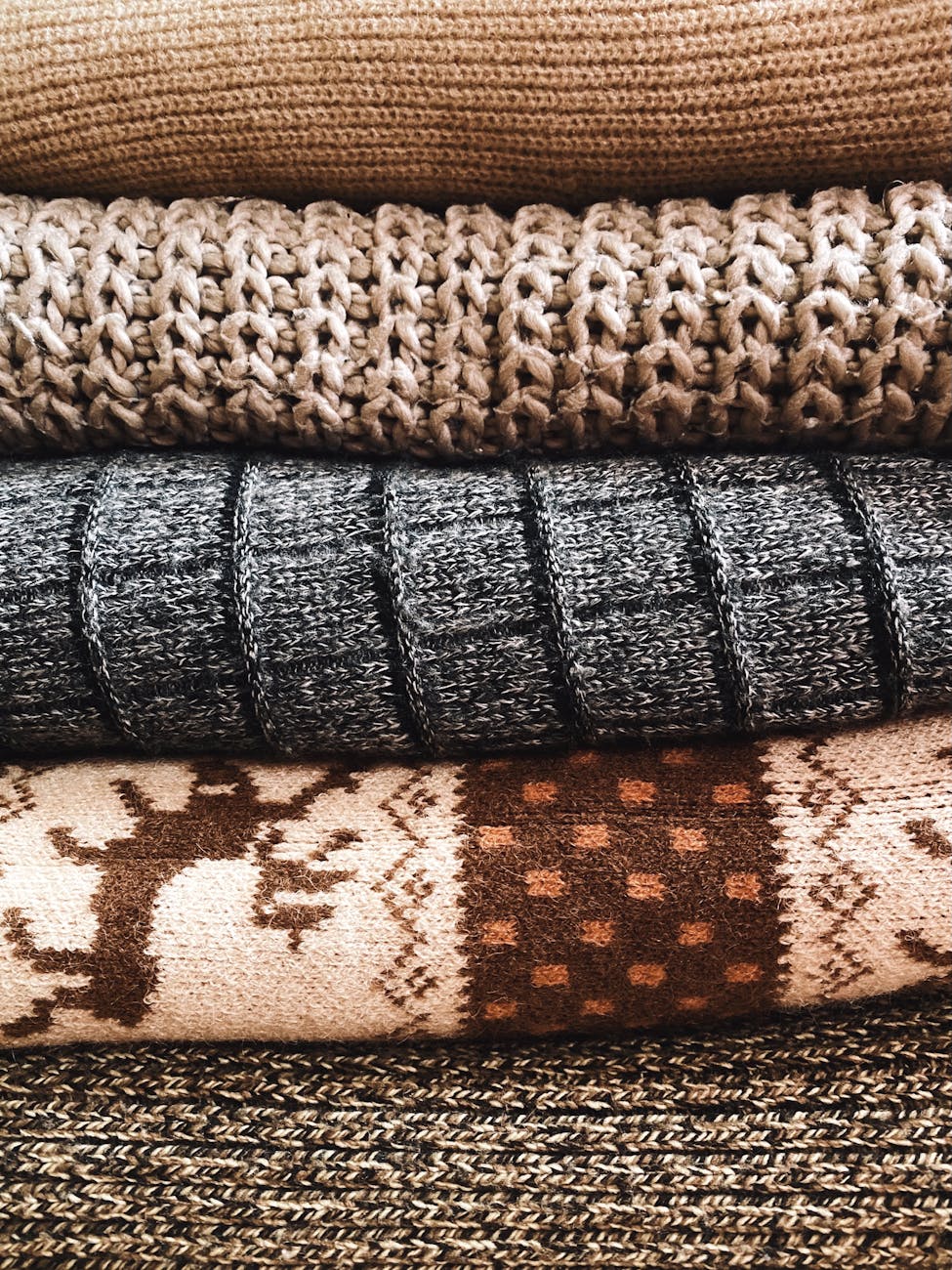
The Science of Tactile Comfort: Mastering Fabric Layering
We observe that true coziness is not an aesthetic choice; it is a physical experience mediated by touch. Creating that enveloping sense of warmth and security hinges entirely on how we manipulate textiles within a space. Layering fabrics for cozy home decor moves beyond simply placing items side-by-side; it involves understanding material interaction, thermal regulation, and visual depth simultaneously. The way light reflects off a velvet throw versus a chunky knit rug fundamentally alters the perceived atmosphere of a room.
This process requires an analytical approach to textile selection. We must consider the material’s weave density, thread count, and fiber composition before we even consider placement. These tangible properties dictate how effectively a surface traps air and manages thermal transfer. A single blanket offers insulation, but a strategic combination creates multi-layered thermal zones that respond dynamically to ambient temperature shifts throughout the day.
Establishing Thermal Zones Through Textile Stacking
The primary mechanism for achieving deep comfort is establishing distinct thermal zones. Imagine a room experiencing a slight chill; layering dense materials against the floor and against seating surfaces acts as a barrier, minimizing convective heat loss. We are essentially engineering microclimates within our decor. For instance, placing a heavy wool rug underneath a softer, lighter throw blanket establishes a foundational layer of insulation before the final sensory touchpoint is introduced.
When analyzing this stacking, we examine the material’s ability to absorb and redistribute heat. Natural fibers like wool or thick cotton possess excellent thermal inertia, meaning they retain heat longer than synthetic blends. Conversely, materials with higher surface area or looser weaves allow for greater air entrapment, which provides a sensation of softness without necessarily maximizing insulation capacity. Our analysis suggests that combining these properties allows us to tailor the ambiance precisely.
Selecting Materials Based on Functional Performance
The choice of fabric dictates the performance of the layering system. We need materials that perform specific functions: thermal retention, acoustic dampening, and visual appeal. For instance, when aiming for deep coziness, we prioritize materials with high loft—the measure of how much air is trapped within the textile structure. High-loft materials effectively trap air pockets, which acts as an excellent insulator against external coldness.
Consider the textural contrast. Pairing a smooth, cool linen with a deeply textured boucle introduces dynamic visual interest while maintaining tactile comfort. This juxtaposition prevents the layering from becoming monotonous. We see this effect repeatedly when designing spaces where function meets feeling; for example, when setting up a cozy reading nook, incorporating varied textures signals that the space is intentionally designed for prolonged, relaxed engagement.
The Role of Scale and Proportion in Visual Weight
The physical size of the textiles plays an equally critical role as their material composition. Large area rugs anchor the visual plane of a room, immediately defining a zone of comfort. Smaller accents, such as decorative pillows or smaller throws, provide the intimate tactile detail that completes the experience. We observe that the interplay between these scales dictates the overall visual weight of the arrangement.
A small, heavily textured pillow placed atop a large, smooth sofa creates an intentional focal point against the broader expanse of the seating area. This manipulation of scale prevents the layering from appearing heavy or cluttered; instead, it communicates deliberate, curated comfort. When designing spaces intended for deep relaxation, like a bedroom setting, understanding these proportional relationships is essential for creating an environment that feels both expansive and intimately secure. For those seeking specific spatial solutions, exploring how to design cozy reading nooks for your bedroom provides excellent context on managing visual boundaries through textile choices.
Integrating Texture and Pattern for Deeper Atmosphere
Beyond the thermal performance of the materials themselves, the visual layer contributes profoundly to the feeling of coziness. Patterns and textures engage the visual cortex in a way that solid color alone cannot achieve. We are processing information about depth, rhythm, and visual complexity simultaneously.
Pattern density directly influences how the eye perceives surface variation. Fine, intricate patterns create a sense of rich, complex texture up close, inviting closer inspection. Larger, bolder patterns establish a broader field of visual impact across the space. When layering fabrics for cozy home decor, we can intentionally use pattern contrast to enhance the feeling of depth and layered experience.
We see this effect when considering seasonal shifts; during colder months, incorporating rich, dense patterns or deep jewel tones enhances the sense of enclosure. For instance, observing current textile trends suggests a leaning toward organic, woven patterns that echo natural forms, aligning perfectly with the desire for warm, grounded interiors. This ties directly into broader aesthetic movements, such as what you might find in cozy autumn harvest fall textile trends for warm home decor, where natural textures dominate the visual narrative.
Creating Visual Flow Through Contrast
The technique of contrast is central to effective visual layering. We utilize contrast not just between materials—smooth versus rough, matte versus sheen—but also between patterns and weights. If every element in a room were monochromatic, the space would lack the dynamic energy that defines true coziness. The juxtaposition of these differing elements creates an engaging sensory pathway for the observer.
When placing textiles, we should aim for intentional friction. A highly textured throw draped over a sleek, smooth surface generates immediate visual interest. This interaction forces the eye to linger, processing the tactile potential of the arrangement before settling into the overall mood. We are guiding the viewer’s perception through these textural shifts.
Practical Application: Building Your Perfect Textile Ensemble
Executing this strategy requires moving from theoretical understanding to practical application in the home setting. This involves a methodical approach to selecting items that cooperate rather than compete. Think of your layering scheme as an architectural blueprint for comfort.
Start with the foundation layer, typically large area rugs or heavy drapes, which establish the primary thermal baseline and anchor the visual space. Next, introduce mid-layer elements—sofas, accent chairs, and medium-sized throws—which define the functional seating areas. Finally, introduce the finishing touches: pillows, smaller blankets, and decorative accents, which inject the specific textural personality required for ultimate coziness.
We must ensure that every piece serves a purpose in this hierarchy. A pillow should enhance the seating experience, not merely sit on top of it; a throw should modulate the temperature without obstructing access to comfort. This methodical process ensures that the final result is harmonized and functionally superior. The goal is to achieve maximal sensory input with minimal visual noise. By mastering the art of layering fabrics for cozy home decor, we transition from decorating objects to engineering an enveloping, responsive sanctuary.
Tags: fabric layering, cozy decor, textile design, home textiles, texture in decor, cozy living, room styling
Featured Image by Eugene Golovesov on Pexels.