
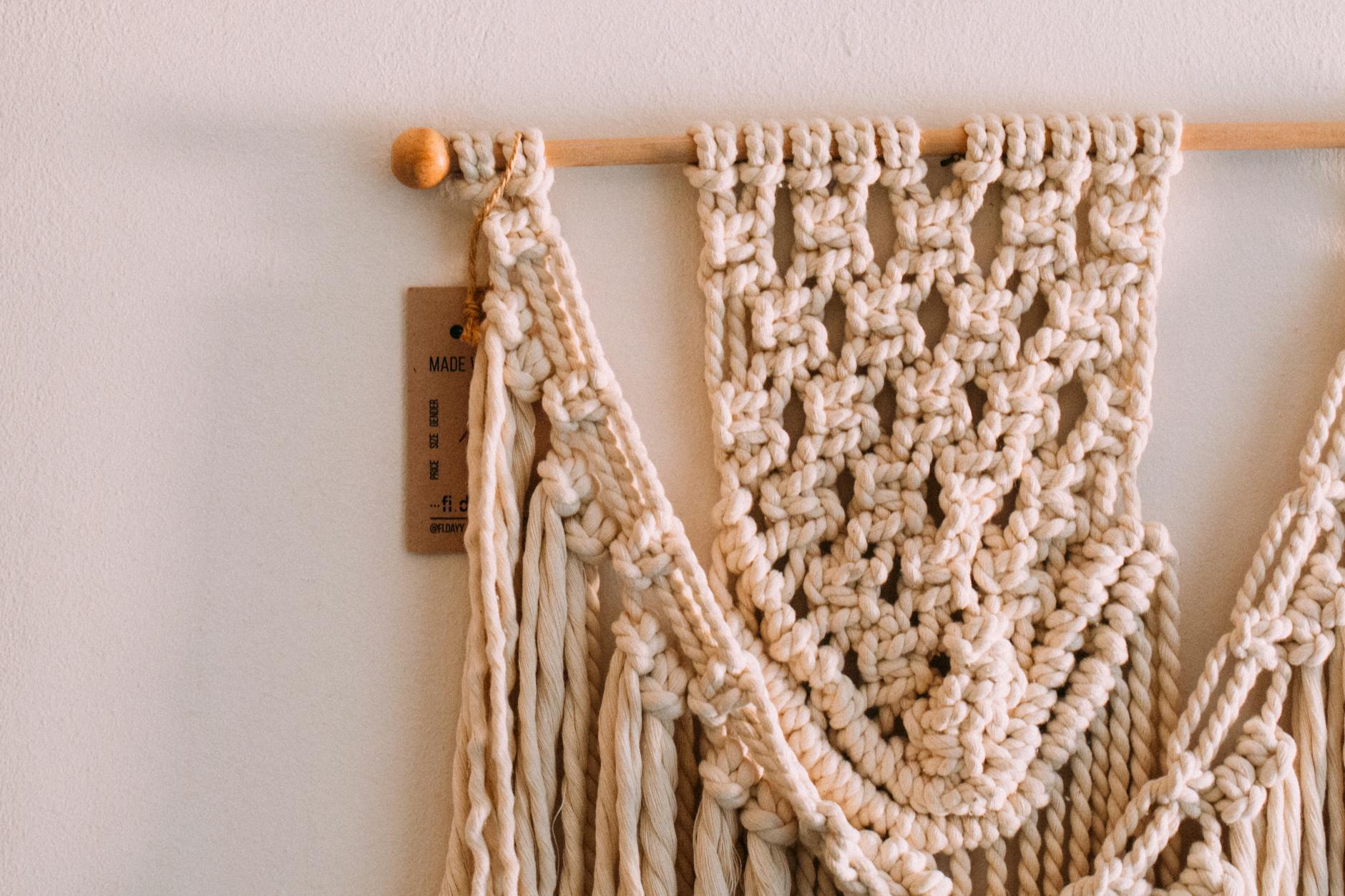
Deconstructing the Art of Macrame for Home Aesthetics
We are moving beyond simple craft projects; creating macrame wall hangings is an exercise in textile manipulation and spatial design. The process itself demands an understanding of tension, knot geometry, and material physics. When we approach this as a decorative endeavor, we are not just tying cords; we are engineering visual texture that interacts dynamically with ambient light and architectural space. Observing the resulting aesthetic suggests a deep resonance with bohemian principles—a celebration of organic form and handcrafted imperfection.
The appeal lies in the tactile engagement. The rope, often cotton or jute, possesses inherent fibrous qualities that react uniquely to tension. As you manipulate these fibers, you are physically imposing structure onto a pliable material. This transformation from loose cord to defined pattern is where the magic happens, dictated entirely by the sequence and tightness of each knot. We observe that the complexity of the final piece directly correlates with the precision applied during the initial setup.
Understanding the Core Mechanics of Macrame Construction
To achieve professional-grade results, one must internalize how tension dictates form. A poorly executed knot introduces slack or unevenness that undermines the intended visual rhythm. Mastering this requires an analytical approach to the material properties before the first thread is secured.
The foundation relies on establishing consistent tension across the entire piece. If the initial suspension points are not equally weighted, the resulting drape will exhibit asymmetrical sagging, which immediately breaks the desired harmonious flow. We need to calculate the weight distribution of the cord and the intended surface area beforehand. This preemptive calculation shifts the activity from mere crafting into applied physics.
We look at several foundational knot types that govern the final texture. The square knot, for instance, establishes a stable base by locking two strands together securely. Larger knots, like the half hitch or spiral knots, introduce complex three-dimensional folds. These larger formations demand greater spatial awareness regarding how they will interact when pulled taut against the wall plane. This relationship between knot type and resulting depth is a critical variable in this DIY process.
Selecting Materials for Optimal Visual Impact
The choice of cord directly influences the perceived quality and longevity of the final display. Jute offers a rustic, earthy texture, providing a pronounced, matte finish that emphasizes natural imperfections beautifully. Cotton threads offer a softer hand and a slightly crisper definition, allowing finer details to emerge more clearly under direct light. We observe that the visual effect changes depending on the material’s inherent sheen.
When selecting your materials, consider the intended environment. A highly textured piece works excellently in spaces where natural light is diffused, enhancing shadow play. Conversely, a piece made with smoother fibers might benefit from brighter illumination to reveal subtle tonal shifts. Think about how this textile will interact with surrounding elements; for example, layering cozy textiles for a warm kitchen aesthetic benefits immensely from the organic texture that macrame provides.
Designing Layouts: From Simple Shapes to Complex Patterns
The design phase requires strategic planning rather than spontaneous execution. Before you begin tying, map out where the knots will fall and how they will interact with the wall surface. We are essentially designing a two-dimensional textile onto a three-dimensional plane. This necessitates sketching the pattern or mentally visualizing the drape before committing to the first knot.
Simple geometric forms—rectangles or simple fringe borders—offer excellent entry points for beginners. These shapes establish the necessary baseline for understanding how vertical lines and horizontal tension operate simultaneously. As experience increases, we explore more intricate arrangements. Think about incorporating intentional negative space; the empty areas between the knots are just as important as the woven material itself for defining the overall composition.
Integrating Macrame into Interior Flow
Macrame functions not merely as an object affixed to a wall; it acts as a textural anchor within the room’s larger design scheme. It introduces an artisanal, handcrafted element that bridges the gap between the functional architecture and lived-in comfort. This integration requires careful consideration of scale relative to the furniture and the surrounding décor.
For example, if you are pairing a large macrame piece with substantial furniture, the wall hanging must possess enough visual weight to anchor the space without overwhelming it. Consider how this texture plays against other surface treatments. If you are considering layering rugs to master depth in your living room, the textural contrast provided by the macrame can enhance that layered effect beautifully, creating a rich sensory experience on the floor and walls equally.
The Process of Installation and Finishing
The final stage involves the physical attachment to the wall and the finishing touches that protect and enhance the work. Proper mounting is essential for maintaining the integrity of the tension you painstakingly established during knotting. The hardware must be robust enough to handle the total load exerted by the textile, especially when dealing with heavier materials like thick jute.
We observe that the method of hanging affects the final appearance significantly. Using sturdy mounting hardware ensures that gravity acts upon the carefully constructed knots rather than causing undue stress on the fibers or the wall surface itself. Once installed, a final examination allows for subtle adjustments to fringe length or tension points. This iterative review solidifies the piece, turning a craft project into a deliberate piece of decorative art. The resulting texture speaks volumes about the intentionality poured into the creation process.
Tags: macrame, boho decor, DIY wall art, home decor, crafts, macrame tutorial, bohemian
Featured Image by Maria Tyutina on Pexels.