
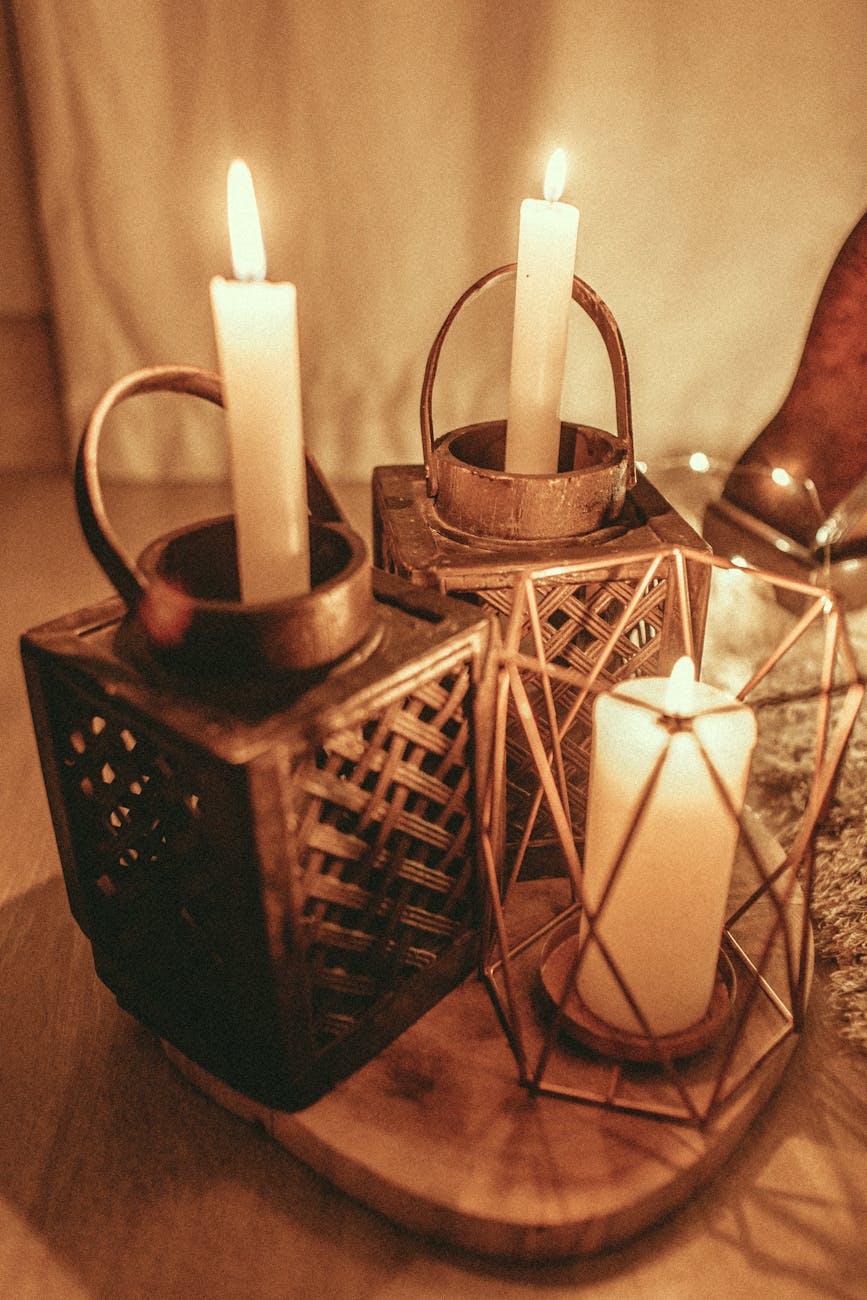
Deconstructing Hygge Lighting: The Science of Warmth and Atmosphere
We observe a distinct psychological response to illumination. The way light interacts with our visual cortex directly modulates our mood, attention span, and perceived physical comfort. This is the core mechanism behind what we term **Hygge lighting**—it is not simply about switching on lamps; it is about manipulating spectral data to induce a state of deep, intentional coziness. Understanding this requires moving past aesthetic preference and examining the physics of light temperature and fixture placement.
The concept of hygge originates from a specific cultural context emphasizing well-being and contentment through simple, tactile experiences. When translating this into an interior design strategy, we focus on creating an enveloping atmosphere where ambient light acts as a primary sensory modulator. We are deliberately dialing down harsh, high-CRI (Color Rendering Index) white light in favor of warmer, lower Kelvin temperatures. This shift signals the parasympathetic nervous system to engage, facilitating relaxation pathways rather than stimulating alertness.
The Physics of Light Temperature and Mood Modulation
Light temperature, measured in Kelvin (K), is a measurable physical attribute that dictates the perceived color of the light source. Cooler temperatures produce bluer light, which correlates with higher energy states and alertness, perfect for tasks requiring intense focus. Conversely, warmer tones—think amber or soft orange hues—involve lower Kelvin values, typically below 3000K. Our analysis suggests that environments optimized for relaxation operate most effectively within this warmer spectrum.
When designing a space for hygge lighting, the goal is to minimize the visual strain associated with stark contrast and high-intensity light sources. A room flooded with cool, bright white light forces the visual system into a state of vigilance. Introducing warm light softens shadows, reduces perceived visual noise, and encourages slower, more deliberate engagement with the environment. We are essentially manipulating the visual field to mimic the gentle, diffused glow of candlelight or a low-burning fire, which has deep evolutionary roots in signaling safety and intimacy.
Layering Fixtures for Depth and Control
Achieving true hygge lighting is less about selecting one bulb and more about implementing sophisticated layering techniques across the entire architectural volume. A single overhead fixture fails to deliver the necessary spatial depth. We must deploy multiple light sources operating at different intensity levels and color temperatures simultaneously. This creates dynamic zones within the room, allowing occupants to customize their immediate sensory experience based on activity.
Consider the three fundamental layers we employ: ambient, task, and accent lighting. Ambient lighting sets the baseline mood; this is typically provided by diffused sources, such as dimmable wall sconces or indirect cove lighting. Task lighting provides functional illumination for specific activities, like reading or cooking, demanding higher intensity but still maintaining a warm tone. Accent lighting draws attention to specific architectural features, textiles, or decorative objects, adding visual interest without over-saturating the space.
In practice, layering requires control. Every fixture must be independently controllable via dimmers, ideally utilizing smart technology or high-quality dimmer switches. This granular control allows a user to transition seamlessly from bright, functional daytime illumination to a soft, intimate evening setting simply by adjusting the intensity of different light pools. This mechanism ensures that the atmosphere remains intentional rather than accidental.
Selecting the Right Fixtures for Diffusion
The physical material and geometry of the light source itself significantly influence how the light disperses throughout the environment. Direct, harsh spotlights create sharp shadows that disrupt the soft aesthetic we seek. Therefore, fixtures selected for hygge lighting prioritize diffusion over direct projection.
Materials like linen shades, frosted glass diffusers, or opaque fabric shades act as physical filters, scattering the light evenly across the surface. This process softens the transition between light and shadow, eliminating distracting glare and enhancing the enveloping quality of the glow. We observe that materials with a high diffuse reflection index contribute to a softer overall environment.
When considering fixtures for specific areas, this principle becomes clearer. For instance, in a relaxation zone, an elegant floor lamp casting a soft pool of light is superior to a harsh ceiling fixture. This indirect illumination wraps the space in warmth rather than exposing it with stark contrasts. This strategic use of physical barriers is central to controlling the perceived intensity of **Hygge lighting**.
Integrating Lighting into Sanctuary Spaces
The principles of warm, layered lighting extend beyond general living areas and become crucial when designing specific functional sanctuaries within the home. A bathroom or a dedicated workspace requires tailored illumination strategies based on its intended function.
For example, transforming a spa bathroom into a serene sanctuary demands an entirely different approach to light management than illuminating a casual living room. Here, we seek maximal softness and tranquility. The fixtures should be recessed or shielded, avoiding any visible points of harsh light reflection. The goal is to bathe the space in a gentle, continuous glow that supports unwinding. This is why integrating low-temperature LED strips behind cabinetry or within niches proves highly effective for creating an immersive, spa-like experience. One can explore how this aesthetic translates into other tranquil zones; for instance, consider the principles applied when designing spaces like [Spa Bathroom Decor: Create Your Serene Sanctuary](https://decorandliving.com/spa-inspired-bathroom-decor/).
Similarly, establishing a dedicated home office requires balancing focus with comfort. While concentration demands clarity, excessive blue light causes eye fatigue and mental strain during prolonged work sessions. Therefore, the lighting strategy here involves task-specific warmth. We utilize focused desk lamps set to a warm Kelvin range for immediate work areas while ensuring ambient room light remains subdued and comforting. For environments where sustained focus is paramount, controlling the light quality becomes a necessary tool; this necessitates designing spaces that allow for deep concentration without visual antagonism, much like when designing a space to [Soundproof Your Nook: Design a Cozy Home Office Sanctuary](https://decorandliving.com/soundproof-home-office-nook/).
The Role of Materiality in Amplifying the Glow
The interaction between light and surface texture is another critical mechanism in achieving true hygge ambiance. Rough, matte surfaces absorb and diffuse light gently, contributing to a tactile sense of coziness. Highly reflective, glossy surfaces bounce light sharply, which can introduce unwanted glare if not carefully managed.
We find that incorporating natural textures amplifies the effect of warm lighting. Wool throws, woven rugs, unfinished wood, and linen fabrics all possess a texture that interacts beautifully with soft light sources. These materials absorb some light, preventing harsh reflections and allowing the warm glow to settle deeper into the physical space. This interplay between light diffusion and material tactility creates an atmosphere that feels physically enveloping rather than merely visually lit.
When selecting decorative elements, we analyze how they will intercept the light. A heavy velvet curtain absorbs ambient light beautifully, creating a sense of depth and enclosure. A matte ceramic vase diffuses the light softly against its surface. This attention to materiality ensures that the lighting system is not an isolated electrical feature but an integrated component of the overall sensory experience.
Establishing Consistent Warmth: Practical Application
To maintain the desired hygge effect consistently, establishing routines around light management is essential. We must move away from sporadic use and adopt systematic control. This involves setting default scenes for different times of day or activities. For example, a “Wind Down” scene should automatically engage lower Kelvin temperatures across all zones, dimming task lights while keeping ambient glow soft.
The initial setup requires careful measurement. Using a light meter allows us to empirically verify the actual color temperature and luminosity present in the space before and after implementing changes. This data-driven approach prevents subjective guesswork from dictating the final outcome. We adjust Kelvin values iteratively until the observed mood aligns with the desired state of comfort.
Ultimately, mastering **Hygge lighting** is about understanding light as an environmental tool. It involves recognizing that warmth is not merely a feeling but a measurable physical property influenced by spectral manipulation and physical surface interaction. By treating illumination as a deliberate layer—managing temperature, diffusing intensity, and integrating texture—we construct spaces where comfort is inherent in the very way we perceive the environment.
Tags: hygge, home decor, cozy lighting, warm light, interior design, lighting tips, hygge atmosphere
Featured Image by Jonathan Borba on Pexels.