
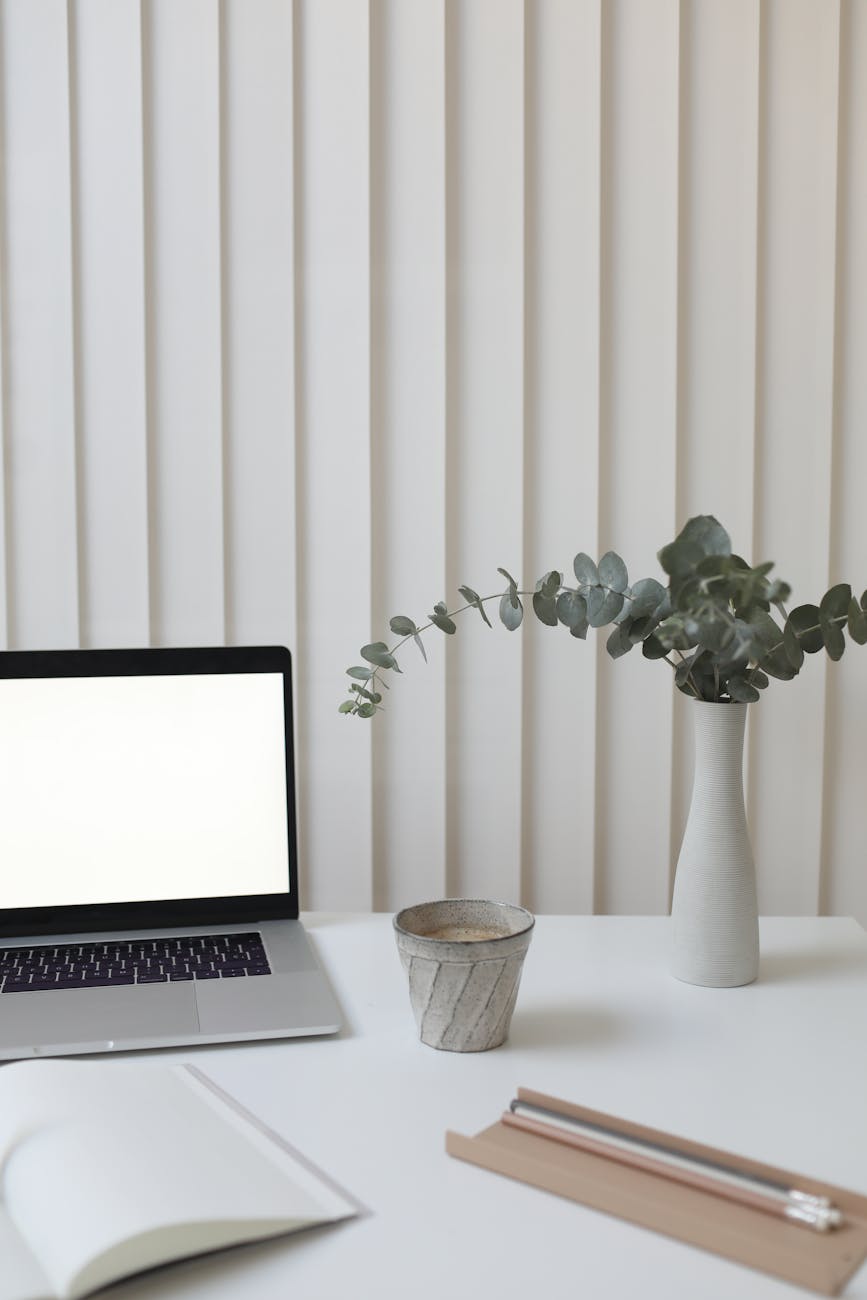
The Science Behind Your Walls: Applying Color Psychology to Optimize Workspace Performance
When designing a space intended for focused work, we are not just selecting paint swatches; we are manipulating the immediate physiological and psychological environment. Understanding the principles of **color psychology home office** involves recognizing that ambient light and chromatic input directly modulate cognitive functions like attention span, stress response, and creative flow. We observe from the data that the visual field influences our autonomic nervous system, creating an internal state that dictates how efficiently we process information.
The goal in workspace design is to engineer a specific mood; for a home office, this mood must be conducive to sustained concentration rather than distraction or fatigue. This requires moving beyond superficial aesthetics and delving into the measurable effects of light wavelengths on human behavior. How these chromatic choices interact with task demands reveals profound implications for productivity.
Blue Tones: The Mechanism for Enhanced Concentration
Blue is perhaps the most frequently cited color in workspace design, and our analysis supports this association through biological response. Exposure to cooler tones, like various shades of blue, has been shown in studies to slow down retinal processing rates, which consequently reduces visual fatigue during prolonged tasks. This effect directly impacts sustained attention. When ambient light leans toward the blue end of the spectrum, the brain shifts into a more contemplative, less agitated state, facilitating deep concentration necessary for complex problem-solving.
In practice, using muted blues or soft azure tones on walls or large surfaces helps to lower the baseline level of physiological arousal. This reduction in anxiety allows cognitive resources to be redirected toward the immediate task at hand. We see this effect particularly when dealing with tasks requiring meticulous detail, such as coding, editing complex documents, or detailed financial analysis. The mechanism here is one of calming the sympathetic nervous system response, allowing the parasympathetic system to engage gently, promoting a state conducive to deep work.
Green and Yellow: Balancing Energy and Creativity
Shifting focus to warmer colors introduces a different set of psychological variables. Green tones operate on a spectrum that balances the energy levels in the room. This color is intrinsically linked to nature and growth processes; therefore, incorporating greens stimulates feelings of tranquility and balance. For environments where creativity and innovative brainstorming are primary objectives, green acts as an excellent modulator, reducing mental friction.
Yellow introduces high levels of visual stimulation. While bright yellows can increase alertness and stimulate cognitive activity, excessive exposure to highly saturated yellow light can lead to overstimulation, potentially increasing irritability and the sense of being rushed. Therefore, when integrating yellow, we must manage its intensity; a soft, earthy yellow works well for areas requiring gentle illumination or where a sense of optimism is desired without inducing restlessness. The interplay between these two colors—the cool calm of blue versus the energetic alertness of yellow—allows us to fine-tune the workspace atmosphere based on the specific task requirement.
Earth Tones and Neutrals: Establishing a Foundation of Stability
Neutrals, such as various shades of gray, beige, and cream, serve a foundational role in any successful **color psychology home office** strategy. These colors function as psychological anchors; they minimize visual competition, allowing the actual objects, art, or accent colors to command attention without creating sensory overload. When walls are painted in warm neutrals, for example, they establish an immediate sense of grounded stability and comfort, which is crucial when managing the stresses inherent in remote work environments.
We observe that using rich, earthy tones—terracottas, deep browns, and muted sage greens—introduces necessary warmth. These tones foster a feeling of enclosure and security, effectively creating a psychological cocoon around the workspace. This sense of containment is vital; it signals to the brain that this area is a safe, dedicated space for focused activity, differentiating it from more chaotic areas of the home. Consider how these foundational colors affect overall well-being; they contribute significantly to the perception of coziness, which directly impacts long-term engagement with the space.
Deep Hues for Specific Functions: Beyond General Mood
Not all colors serve the same function across the spectrum of work tasks. Deeper, richer hues carry more specific psychological weight depending on the intended outcome. For instance, deep navy or charcoal can be employed in areas requiring high concentration where visual distraction must be minimized; they absorb light and promote a sense of seriousness and gravitas. Conversely, lighter, airy colors are better suited for creative brainstorming sessions where expansive thinking is required.
When we examine how color affects mood, the saturation level becomes an important variable. Highly saturated colors tend to increase emotional intensity, making them suitable for accent pieces rather than pervasive wall treatments. Low-saturation, muted tones allow the mind to settle into a state of receptive focus. This understanding requires an analytical approach: before selecting a color scheme, one must first define the operational goals of the space. Do you need high energy? Or deep reflection?
Integrating Sensory Experience for Deeper Sanctuary
Optimizing the visual environment is only one component of creating a truly productive home office. The sensory experience extends beyond sight into texture, acoustics, and ambient lighting. We see that integrating these elements reinforces the psychological effects of the chosen **color psychology home office** scheme. For example, pairing cool blue tones with soft, natural textures—like wool rugs or linen textiles—enhances the feeling of coziness and reduces the perceived harshness of the environment.
The acoustic quality of a space is equally critical to concentration. Unwanted ambient noise introduces constant low-level stress, disrupting the delicate balance required for focus. Therefore, investing in soundproofing measures directly impacts cognitive performance by reducing intrusive auditory stimuli. When establishing a dedicated sanctuary, addressing these physical barriers creates an impermeable zone where mental work can occur without external interruptions. You might find that creating this separation is as important as selecting the perfect paint color. Exploring solutions like designing a space that incorporates soundproofing techniques, such as in a Soundproof Your Nook: Design a Cozy Home Office Sanctuary (https://decorandliving.com/soundproof-home-office-nook/), directly supports the goal of creating an uninterrupted focus zone.
Creating an Integrated Personal Environment
The final step involves synthesizing these principles into a cohesive personal environment that supports long-term productivity and mental health. The colors should not exist in isolation but must interact harmoniously with the tactile and auditory elements already present. Think about the flow from your work area to adjacent spaces; this continuity reinforces the intended psychological state. If you are seeking a space for deep relaxation or focused self-care, consider how these principles apply beyond the immediate desk. A transition into a spa-like environment, perhaps incorporating natural motifs and soothing palettes, can extend the benefits of a calm atmosphere throughout your living space, echoing the restorative quality found in areas like Spa-Like Bathroom Decor: Natural & Botanical Sanctuary (https://decorandliving.com/natural-botanical-bathroom-decor/). This holistic approach transforms the home office from merely a place to work into an integrated center for productivity and well-being. We achieve peak performance when the physical environment is intentionally engineered to support our innate cognitive wiring.
Tags: color psychology, home office design, productivity tips, color therapy, workspace design, interior design, focus and concentration
Featured Image by Cup of Couple on Pexels.