
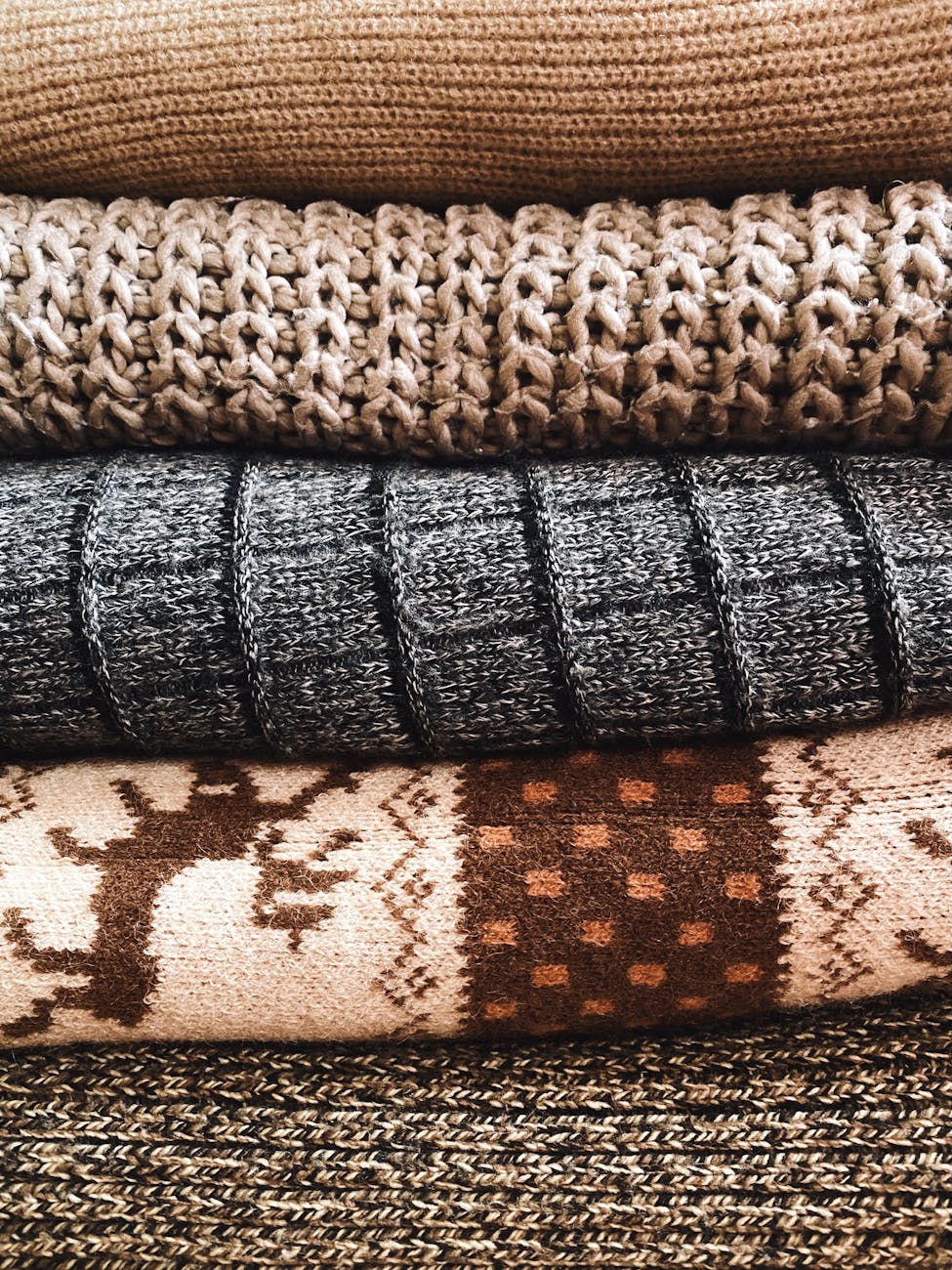
The Science of Tactility: Deconstructing Textural Home Decor
We often associate coziness with soft blankets and plush pillows, but true atmospheric comfort is engineered through the manipulation of surface texture. Understanding how different fabrics interact with light and touch reveals a fundamental principle of interior design: tactile engagement dictates emotional response. When we consider **textural home decor**, we are not simply selecting items; we are calibrating the sensory experience of our environment.
The human brain processes visual information rapidly, yet tactile input triggers deeper, primal responses related to safety and comfort. Rougher surfaces engage a different set of neural pathways than smooth ones. This difference in physical sensation allows us to consciously or subconsciously adjust the perceived temperature and intimacy of a room. We observe that high-frequency textures, like chunky knits or slubby weaves, stimulate more tactile receptors, creating an immediate sense of groundedness. Conversely, flat, highly reflective surfaces can feel sterile, lacking that essential sensory anchor we seek when cultivating a cozy atmosphere.
Fabric Mechanics: How Texture Manipulates Light and Shadow
The way light interacts with textiles is entirely dependent on their weave structure and fiber composition. A tightly woven, smooth linen reflects light evenly, creating a calm, diffused illumination across the surface. This effect contributes to an airy feel. However, fabrics featuring complex weaves—think boucle, velvet, or heavy corduroy—create micro-shadows within their surface topography. These variations cause light to scatter unevenly, producing depth and visual richness. This interplay of light and shadow is critical; it prevents the space from appearing flat, allowing the eye to linger in the details.
We see this mechanism at work when we layer materials. Placing a matte, heavily textured throw over a smooth cotton sheet introduces an immediate textural contrast that deepens the perceived coziness significantly. This layering process forces the visual field to engage with multiple planes of material depth. It is this deliberate complexity that elevates simple decor into immersive comfort architecture.
Weaving the Narrative: Selecting Textures for Specific Zones
Not all areas within a home require the same level of textural intensity. A living room invites deep sensory engagement, while a bedroom demands serene softness. Our analysis suggests tailoring texture application to functional zones maximizes the intended effect. For instance, in a primary relaxation space, incorporating rich, tactile elements establishes an immediate connection to the concept of **The Art of Hygge: Simple Ways to Create Cozy Home Vibes**. Here, we prioritize depth and enveloping softness.
In contrast, spaces requiring visual calm benefit from smoother textures that allow the eye to rest. Consider bathroom environments where a sense of spa-like tranquility is paramount. Utilizing matte ceramics paired with soft towels introduces necessary tactile relief without overwhelming the sensory input. This approach aligns perfectly with principles found in **Spa Bathroom Decor: Create Your Serene Sanctuary**. The goal shifts from dense texture to smooth, cool sensation.
Layering for Depth: The Art of Textile Stacking
Effective layering is not merely piling items; it involves managing material density and tactile friction. To achieve a truly cozy effect, we must consider the weight and drape of each component. A lightweight silk throw layered beneath a heavy, ribbed wool blanket creates a dynamic tension between delicate sheen and substantial bulk. This juxtaposition prevents the overall look from becoming monolithic or heavy. We observe that when materials possess varying levels of fuzziness—some plush, some crisp—the visual interest increases exponentially.
This process requires an understanding of material science. The friction created by different fibers touching each other subtly alters how light scatters across the surface plane. This subtle physical interaction is what translates visually into a feeling of rich, enveloping comfort rather than just decorative arrangement. We are engaging the sense of touch before we even fully register the visual pattern.
Fiber Exploration: Analyzing Material Properties
The raw material dictates the potential for textural impact. Different fibers possess intrinsic qualities that dictate how they will perform in a cozy setting. Wool, for example, naturally traps air and offers incredible warmth retention; its uneven nap creates subtle, organic shifts in light absorption across the surface. Cashmere, with its fine, lofty fibers, provides luxurious softness that registers as incredibly inviting against the skin.
Synthetics offer versatility, but their textural performance often relies on specific finishes to achieve an authentic tactile quality. For instance, a high-quality microfiber can mimic the soft hand of velvet, yet retain a practical durability that allows for everyday use without sacrificing the perceived coziness. When sourcing materials, we must look past superficial appearance and analyze the actual surface density and the way the material responds to pressure.
Integrating Texture into Architectural Flow
The integration of textural elements must respect the larger architectural framework of the room. A monolithic application of heavy textures against a minimalist wall can feel oppressive rather than cozy. The key lies in balancing high-texture focal points with expansive, smooth surfaces that allow the eye to travel freely. We need deliberate placement.
Think about anchoring your design. A large area rug made from a thick, woven wool anchors the entire seating arrangement, establishing a foundational layer of warmth. Above this foundation, introduce smaller elements—throw pillows in varying textures, textured window treatments—to build the sensory experience incrementally. This incremental approach prevents sensory overload while ensuring that every touchpoint contributes to the overall narrative of comfort.
The successful implementation of **textural home decor** is about creating a tactile journey across the space. It involves recognizing that coziness is not one single object but an accumulated effect derived from the interplay of light, shadow, weight, and surface quality. By consciously selecting fabrics based on their structural properties, we engineer environments where physical comfort is inherently woven into the aesthetic experience.
Tags: textural home decor, fabric layering, cozy decor, home textiles, texture in design, living room style, home comfort
Featured Image by Eugene Golovesov on Pexels.