
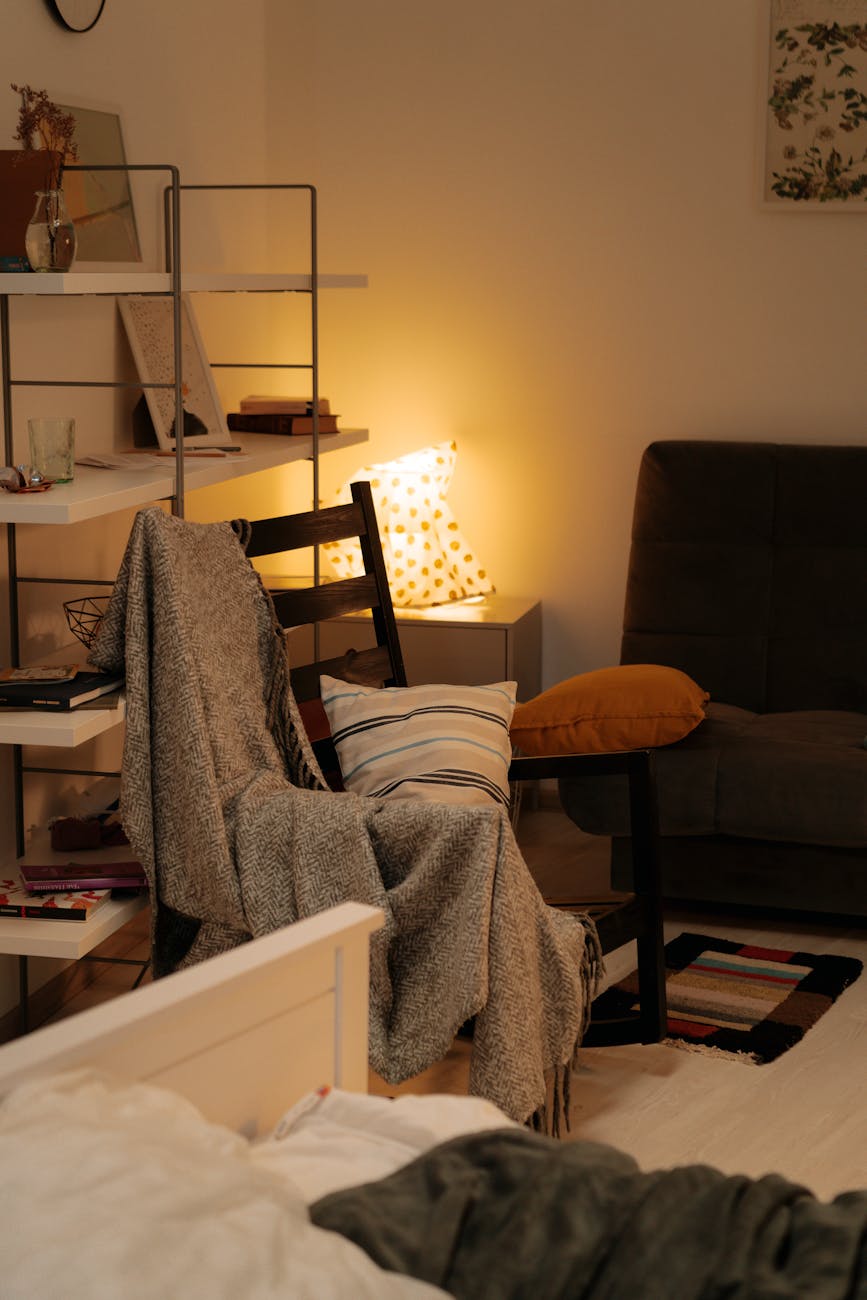
The Science of Softness: Engineering Your Ultimate Cozy Home Office Setup
The objective of designing a productive workspace is not simply about placing a desk; it is about modulating the sensory environment to optimize cognitive function. We observe from the data that the tactile experience of a space directly influences mood, focus, and perceived productivity. This principle applies intensely to the **cozy home office setup**. Soft textiles are not mere aesthetic additions; they function as environmental regulators, actively managing thermal comfort and psychological decompression.
When we introduce layered fabrics into an office setting, we are manipulating ambient light reflection and acoustic dampening simultaneously. A bare desk surface reflects harsh, cold visual signals that can induce mental fatigue. Introducing a thick wool rug or a densely woven throw blanket immediately shifts the perceived temperature zone, engaging the body’s inherent comfort mechanisms. This physical sensation triggers a parasympathetic response, effectively lowering baseline stress levels.
Thermal Regulation and Cognitive Flow
The mechanism by which textiles affect thermal perception involves surface contact and air circulation dynamics. A room saturated with hard, cool surfaces promotes rapid heat dissipation, creating an environment that feels sterile and demanding. Conversely, incorporating materials like velvet, heavy linen, or chunky knit wool introduces thermal mass that absorbs and slowly releases ambient heat. This process mimics the gentle temperature fluctuations found in natural environments, which our brains are wired to process as safe and conducive to deep work.
We find that this modulated thermal environment directly impacts sustained attention spans. When external stimuli—visual clutter, harsh lighting, or cold surfaces—are minimized by soft boundaries, cognitive resources are freed up for complex problem-solving. Consider the contrast between a stark white wall and a floor covered in a deep pile rug. The latter anchors the visual field, reducing sensory overload. This is a practical application of the principles discussed when exploring **The Art of Hygge: Simple Ways to Create Cozy Home Vibes**.
Acoustic Dampening and Focus Enhancement
Sound quality is inextricably linked to focus; disruptive noise fragments concentration into inefficient cycles. Hard surfaces in an office environment create reverberation, amplifying distracting sounds like keyboard clicks or external chatter. Layering textiles acts as a crucial acoustic buffer against this unwanted vibrational energy. The fibrous nature of fabrics absorbs mid-to-high frequency sounds, effectively deadening the echo within the room.
In practice, draping heavy curtains or placing thick fabric panels on bare walls attenuates ambient noise levels. This reduction in auditory distraction allows the brain to allocate more processing power to internal tasks rather than external noise filtering. We are not just decorating; we are engineering an acoustically optimized zone for deep concentration. The resulting environment feels inherently calmer, allowing for deeper immersion into creative or analytical tasks.
Designing Zones: Establishing Boundaries within the Workspace
A successful **cozy home office setup** requires defining specific functional zones, even within a single room, using textiles as tangible demarcation tools. This spatial segmentation helps the brain categorize activities more efficiently, reducing the mental effort required to transition between states of work and rest.
Defining the Work Zone vs. Relaxation Zone
The physical separation provided by soft boundaries allows the workspace to exist in a state of focused engagement while simultaneously signaling that the immediate area is dedicated to productivity. Imagine a desk area defined by a textured runner or a stack of woven cushions. This physically signals, “This is where work happens.” When you transition to sitting in an armchair draped with a soft throw, your brain registers a shift in context. This intentional demarcation prevents the workspace from bleeding into personal downtime, which is essential for preventing burnout.
We see this functional layering extend beyond the desk surface itself. A thick area rug beneath the workstation anchors that zone physically to the floor, providing a stable foundation that supports sustained focus. This physical grounding contributes to a sense of control and security, prerequisites for high-level cognitive performance. When we integrate these tactile elements thoughtfully, we are establishing predictable routines for our brains.
Material Selection: Texture as a Signal
The specific material dictates the psychological impact more than simple color theory alone. The weave density, the nap length, and the material composition all contribute to the perceived tactile quality. For an office setting demanding concentration, materials with rich, complex textures perform optimally. Think about the difference between smooth, cold plastic surfaces and the organic complexity of woven wool or thick cotton.
We observe that natural fibers possess inherent qualities that resonate positively with human physiology. The subtle variations in light reflection across a nubby knit throw introduce visual interest without introducing jarring chromatic stimulation. This nuanced visual input supports sustained engagement better than flat, monotonous surfaces. We are utilizing texture to enrich the sensory experience of working, transforming a functional space into an inviting sanctuary.
Integrating Luxury and Comfort: Elevating the Experience
Moving beyond mere functionality, integrating elements that evoke luxury enhances the perceived value of the environment and reinforces the sense of personal retreat. This involves selecting textiles that feel inherently rich, tactile, and comforting, mirroring the experience of entering a high-end retreat.
The Effect of Material Richness
When we consider spaces like a **Spa Sanctuary: Luxury Bathroom Retreat with Stone & Botanicals**, the emphasis is placed on natural textures and enveloping softness. This philosophy translates perfectly to the home office. Choosing materials that feel substantial—heavy linen drapes, cashmere throws, or deep-pile rugs—signals quality and intentionality. These items communicate that the space is designed for long-term dwelling and comfort, not just temporary utility.
The sensory experience becomes holistic. The way light diffuses across a velvet surface versus how it catches the natural grain of a hand-knitted blanket alters the entire mood of the room instantly. This depth in sensory input provides necessary psychological respite during intense work periods. It reminds the occupant that this space is a deliberate extension of their personal well-being, not just a place to execute tasks.
Creating Sanctuary Through Layering
Layering textiles creates pockets of intentional comfort that act as micro-sanctuaries within the larger workspace. A cozy home office setup should offer multiple points of tactile comfort accessible at different times of the day. For instance, a heavy throw draped over the reading chair offers immediate warmth during an afternoon break, while the floor rug grounds the entire working area.
This layered approach facilitates seamless transitions between modes. You can be deeply immersed in focused work on your ergonomic chair, yet the presence of soft textiles signals that this is also a space where one can comfortably pause, reflect, or transition into a less intense mental state. This capability to shift environmental states fluidly supports mental resilience throughout the demanding workday. We are designing an ecosystem where productivity and deep comfort coexist without conflict.
Tags: home office decor, cozy living, textile design, ergonomic workspace, cozy home decoration, workspace comfort, textile layering
Featured Image by cottonbro studio on Pexels.