
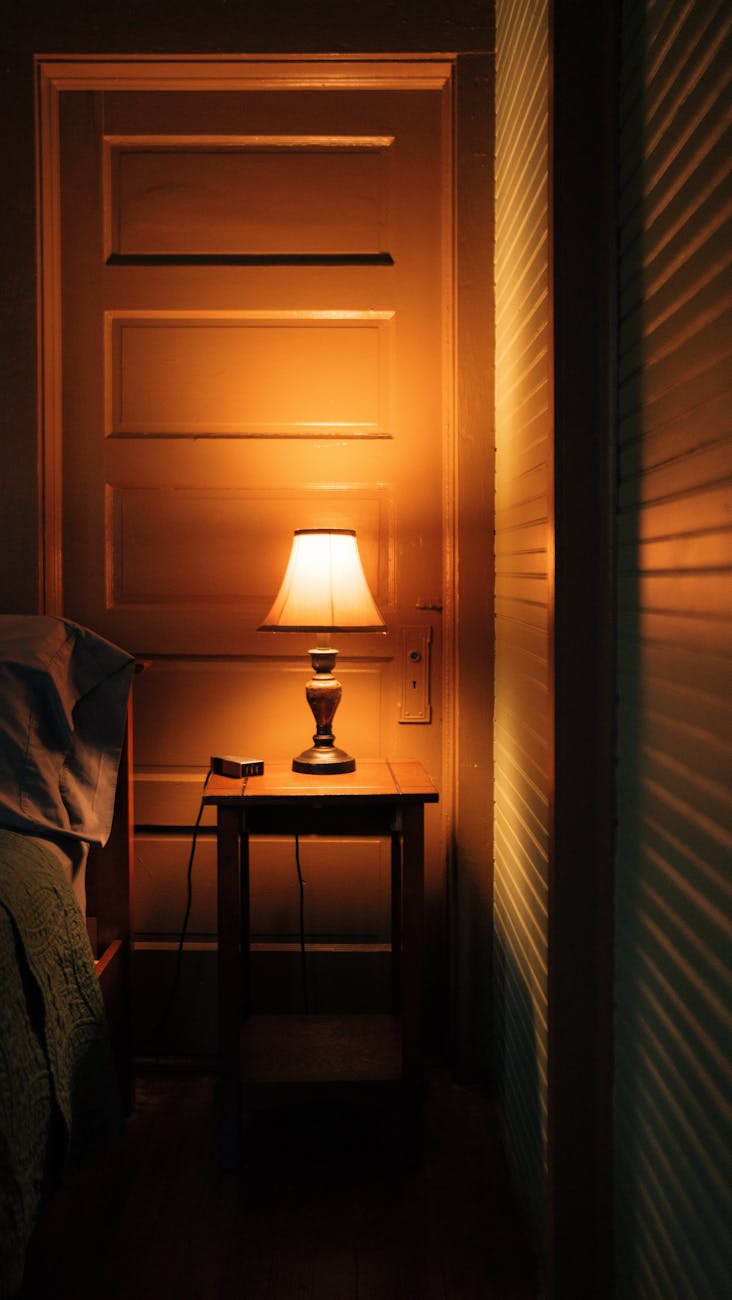
The Science of Light: Engineering Ambiance Through Layered Lighting
Creating a truly cozy bedroom is not about selecting one perfect lamp; it is about engineering an environment where light interacts with surfaces in specific, intentional ways. We observe from the data that flat, overhead illumination fails to replicate the nuanced warmth necessary for true relaxation. The goal of layered lighting is to control the spatial experience by manipulating intensity, color temperature, and directionality across the visual field. This process moves beyond simple decoration; it becomes an act of environmental design based on optical principles.
Deconstructing Color Temperature and Intensity
The perceived coziness of a space is fundamentally dictated by the color temperature of the light source. Warm light, typically ranging between 2700K and 3000K, stimulates the release of melatonin, signaling to the body that it is time to wind down. Conversely, cooler light above 4000K functions more like task lighting, suitable for alertness. When designing a bedroom atmosphere, we must prioritize low Kelvin values throughout the system.
We see an effect when mixing light sources with disparate color temperatures; this creates visual dissonance. A bright, cool overhead fixture fighting against a warm bedside lamp disrupts the intended sense of sanctuary. Effective layered lighting demands homogeneity in warmth across all zones. We should aim for a transition where each layer contributes harmoniously to the overall low-intensity environment.
Intensity management is equally critical. Bright light levels cause visual strain and inhibit relaxation when used excessively. Think about the contrast ratio; soft, diffused light minimizes harsh shadows, which directly correlates with reduced psychological tension. Using dimmers on every fixture allows the occupant to modulate the intensity precisely as their circadian rhythms shift throughout the day. This level of granular control is what separates mere illumination from true ambient creation.
Strategic Placement: Defining Zones of Light
The physical placement of light sources dictates how space is perceived and used. We move beyond simply placing lamps where they look aesthetically pleasing; we position them to define functional zones within the room. A bedroom requires distinct lighting layers for different activities, such as winding down, reading, or waking up.
Consider the primary layer: ambient light. This forms the general background illumination, often provided by indirect sources like cove lighting or dimmable ceiling fixtures. This base level must be soft and pervasive. The second layer involves task lighting. Bedside lamps serve this function perfectly, directing focused pools of light onto reading materials without flooding the entire space with unnecessary brightness.
The final layer involves accent lighting. These sources highlight architectural features or decorative elements, adding depth and visual interest. Positioning these carefully allows the eye to travel smoothly across the space, engaging different visual planes sequentially. This systematic approach ensures that every square foot contributes to the overall feeling of enveloping warmth.
Implementing the Three Layers of Bedroom Illumination
To master this technique, we structure the lighting system into three distinct, interdependent layers. Each layer builds upon the last, achieving complexity without visual chaos.
Ambient Layer: The Foundation of Warmth
The ambient layer establishes the baseline mood. This is typically achieved through indirect illumination sources. Wall sconces emitting soft, diffused light or hidden LED strips behind headboards serve this purpose effectively. We avoid direct glare here; the light should reflect off surfaces rather than directly into the eyes. Observing how light interacts with textures, such as those found in textiles, enhances this effect significantly. For instance, integrating softer fabrics contributes to a more enveloping visual experience when lit by warm tones.
Task Layer: Focused Functionality
The task layer addresses specific functional needs within the room. This is where focused pools of illumination are introduced, specifically for activities like reading or dressing. Using table lamps with warm-toned bulbs ensures that the light directs attention precisely where needed. The mechanism here is precise beam control; the light energy is concentrated onto the necessary surface area, leaving the periphery in softer shadow. This allows for high functional visibility while maintaining a low overall visual load.
Accent Layer: Sculpting the Space
The accent layer introduces dynamic contrast and highlights specific decorative elements. These lights should be strategically aimed at art, shelving, or architectural details. By angling these sources subtly, we manipulate shadows to create depth and dimension. This interplay between light and shadow is crucial; it prevents the room from feeling flat and introduces the necessary tactile richness that defines coziness. When considering larger spatial arrangements, understanding how floor coverings influence visual weight—like layering rugs—is analogous to understanding how light layers define space.
Materiality and Light Interaction
The surfaces within a room mediate the quality of the light entering it. Matte finishes absorb light gently, contributing to the soft ambiance we seek. Highly reflective surfaces, on the other hand, bounce light aggressively, which must be managed through careful fixture selection. We find that pairing matte walls with tactile materials amplifies the effect of warm lighting, deepening the sense of enclosure.
When selecting textiles, for example, the weave and texture directly influence how light diffuses across them. A thick, woolen throw absorbs and scatters light in a way that feels inherently cozy when bathed in warm tones. This interaction between material science and optics is what engineers true sensory comfort.
Practical Application: Synchronizing Systems
The final step involves synchronizing these layers into a responsive system. Smart lighting technology allows us to automate the transition between moods. Setting scenes—such as “Evening Wind Down” or “Morning Wake Up”—allows users to instantly recall a pre-calibrated configuration of color temperature and intensity. This automation removes the cognitive load of manually adjusting multiple switches throughout the day.
We must establish consistent protocols for light deployment. For instance, ensuring that all bedside lights operate at the same 2700K setting during evening hours provides predictable thermal comfort. When implementing a system, test the transitions between layers repeatedly. Observe how the mood shifts when one layer is introduced or removed; this empirical feedback refines the design process. Layered lighting is not simply adding fixtures; it is calibrating an entire sensory experience by mastering the interplay of light across physical space.
Tags: layered lighting, bedroom decor, ambient lighting, cozy home, warm lighting, bedroom design, home decor
Featured Image by Sami Abdullah on Pexels.