
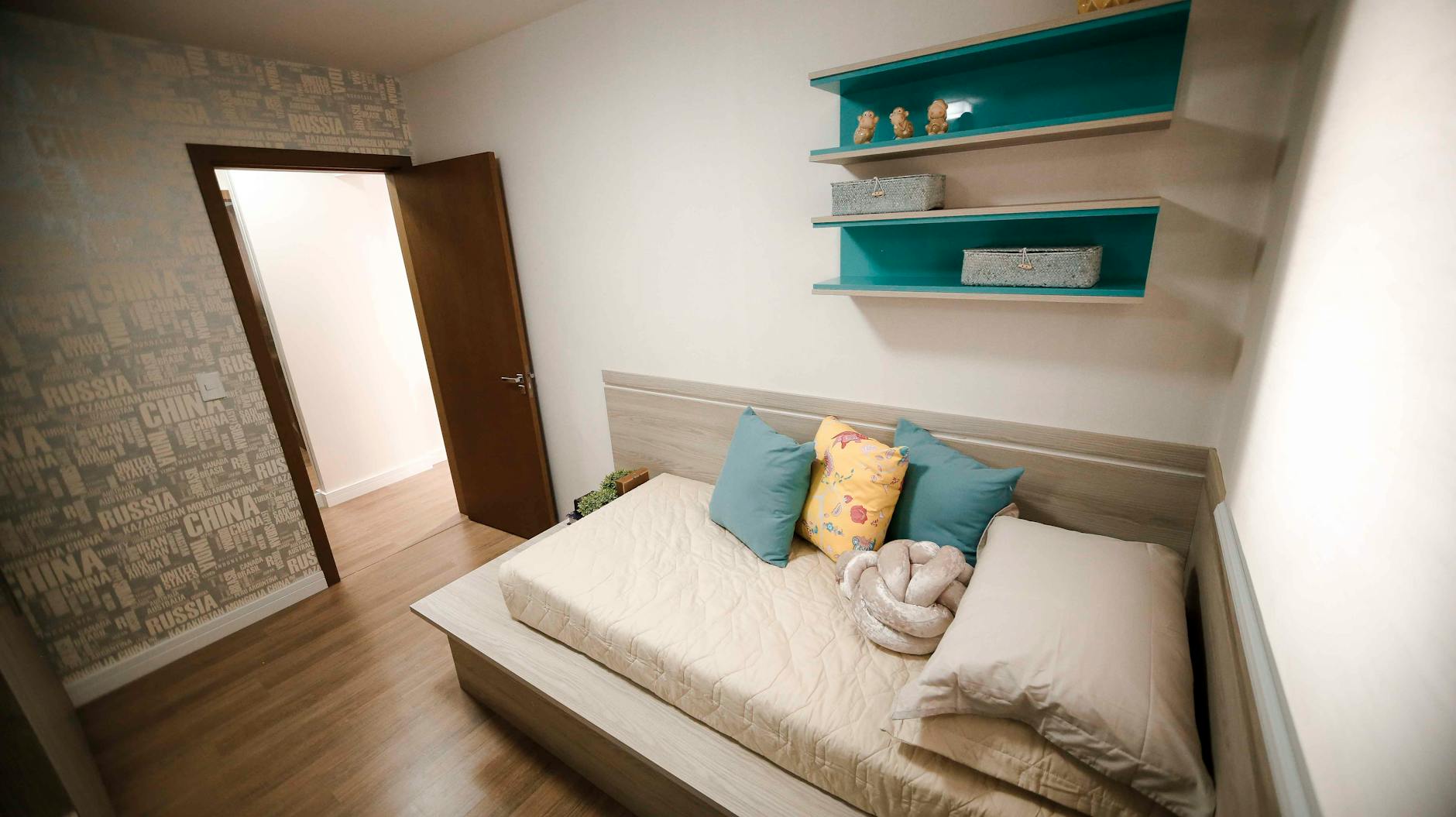
Maximizing Cubic Space: The Geometry of Vertical Storage
When confronting the constraints of a small room, the primary objective shifts from simple decoration to spatial optimization. We observe that traditional horizontal storage methods inherently waste potential volume. To effectively utilize limited square footage, the strategy must pivot toward the vertical plane. This is where the concept of **vertical storage small space** management becomes not just a design choice but a necessary functional imperative. By engaging the vertical dimension, we introduce unseen real estate into the room’s architecture.
Floating shelves exemplify this principle perfectly. They decouple storage from the floor plane, creating visual breathing room while simultaneously increasing accessible storage capacity without encroaching upon floor space needed for circulation or furniture placement. The mechanism at play here is volumetric expansion; we are effectively treating the wall as an extension of the storage matrix rather than a static boundary. This strategy directly addresses the common bottleneck in compact living situations where floor space is already allocated to essential items.
Deconstructing Spatial Efficiency
The psychological impact of vertical arrangement is equally significant. When eye level is utilized for display and storage, the perceived volume of the room expands instantly. We are not just stacking objects; we are manipulating visual pathways. A room that feels visually open inherently feels larger than one burdened by floor-based clutter. This manipulation directly enhances the cozy aesthetic you seek.
We analyze the distribution of visual weight. Placing items high up draws the eye upward, mitigating the feeling of being hemmed in by low furniture profiles. This creates an illusion of greater ceiling height and expansive volume. Consider how this principle applies to other areas; the principles of optimizing space extend beyond mere room decoration. For instance, when curating a bathroom environment, focusing on vertical arrangements for towels or toiletries complements the overall goal of creating a serene retreat, much like utilizing soft lighting in **Spa Bathroom Decor: Create Your Serene Retreat** allows one to focus on curated textures rather than sheer bulk.
The Mechanics of Floating Shelf Implementation
Implementing floating shelves requires understanding structural mechanics before aesthetic consideration. These shelves must be rated to support the intended load; this is non-negotiable safety protocol. We look at the material selection—solid wood, reclaimed timber, or sturdy composite materials offer appropriate load-bearing capacity. The mounting system itself dictates the longevity and safety of the installation. Proper anchoring into wall studs prevents catastrophic failure under dynamic stress.
In practice, calculating the necessary spacing is crucial for maintaining a balanced aesthetic. Overcrowding shelves negates the benefit of vertical expansion; dense packing creates visual noise rather than organized storage. We observe that leaving adequate negative space between items allows each decorative element to assert itself independently. This deliberate spacing reinforces the sense of calm and order central to cozy design principles.
Integrating Vertical Elements into Cozy Design Narratives
The goal is not just functional storage, but an integrated narrative where storage enhances coziness rather than detracting from it. Floating shelves serve as visual anchors that introduce texture, personal artifacts, and curated decor elements directly into the living environment. This transforms a utilitarian necessity into a deliberate design feature.
Curating Content for Visual Warmth
What we place on these elevated surfaces directly influences the room’s ambiance. We move beyond simply storing books or trinkets; we are staging vignettes. Incorporate varying heights of objects—a stack of art books next to a small plant, perhaps a piece of textured pottery. This layering introduces depth and visual interest that flat surfaces lack.
Think about the materials themselves. Natural wood tones absorb light differently than stark white plastic. Introducing organic textures against smooth walls enhances the tactile quality of the space. This process engages more senses, deepening the feeling of coziness. When selecting items for these shelves, assess how the material interacts with the ambient lighting; warm-toned wood amplifies cozy evening settings beautifully.
Strategic Placement in Small Footprints
When working with **vertical storage small space**, placement strategy becomes paramount. Avoid placing shelving units directly above doorways or windows unless structural assessment confirms this is safe and intentional. We need to account for natural light exposure as well; positioning items to catch beneficial daylight can further illuminate the area, enhancing the sense of spaciousness.
We must assess the room’s flow. Shelves should guide the eye naturally across the space without creating physical barriers. If a shelf placement disrupts the intended circulation path, the functional benefit is lost, regardless of how aesthetically pleasing the arrangement appears in isolation. Think about how furniture interacts with these vertical planes. Can a low-profile sofa sit comfortably beneath a high shelf? This relationship between horizontal and vertical elements defines the successful integration.
Beyond Shelves: Holistic Vertical Optimization
While floating shelves offer an immediate, impactful solution for **vertical storage small space**, true mastery involves optimizing every available vertical surface. This requires thinking about integrated systems rather than isolated installations. We must explore how other vertical surfaces can contribute to overall organization.
Utilizing Wall Space for Multi-Functional Solutions
The wall is a vast, untapped resource when approached systematically. Beyond simple shelving, consider integrating built-in solutions or specialized cabinetry that utilizes the full height of the room effectively. Customizing storage units allows the furniture to conform precisely to the architectural constraints and functional needs of the space. This approach minimizes wasted gaps and maximizes utility within tight dimensions.
We can examine multi-functional furniture hacks for cozy micro-apartments by looking at how vertical systems interact with other pieces. A tall, narrow bookcase functions as both storage and a room divider simultaneously; it addresses multiple spatial demands in one physical object. These solutions demonstrate that complexity does not equal clutter when designed thoughtfully around the vertical axis.
The Long-Term View of Space Management
Achieving sustained organization requires establishing routines for managing the stored items. A beautiful vertical setup quickly devolves into visual chaos if the contents are not managed intentionally. We observe that effective storage systems require consistent maintenance protocols. Regularly cycling through items, decluttering surfaces, and ensuring the flow remains smooth prevents the system from becoming an obstacle to relaxation.
The initial investment in thoughtful vertical solutions pays dividends in daily tranquility. By mastering the geometry of space, we move beyond merely decorating a small room; we engineer an environment where every square inch serves a purpose, fostering the deep sense of calm that defines true coziness. This process transforms spatial limitation into a creative opportunity.
Tags: small space decor, floating shelves, tiny room organization, cozy home, vertical storage, small apartment, home decor
Featured Image by Vidal Balielo Jr. on Pexels.