
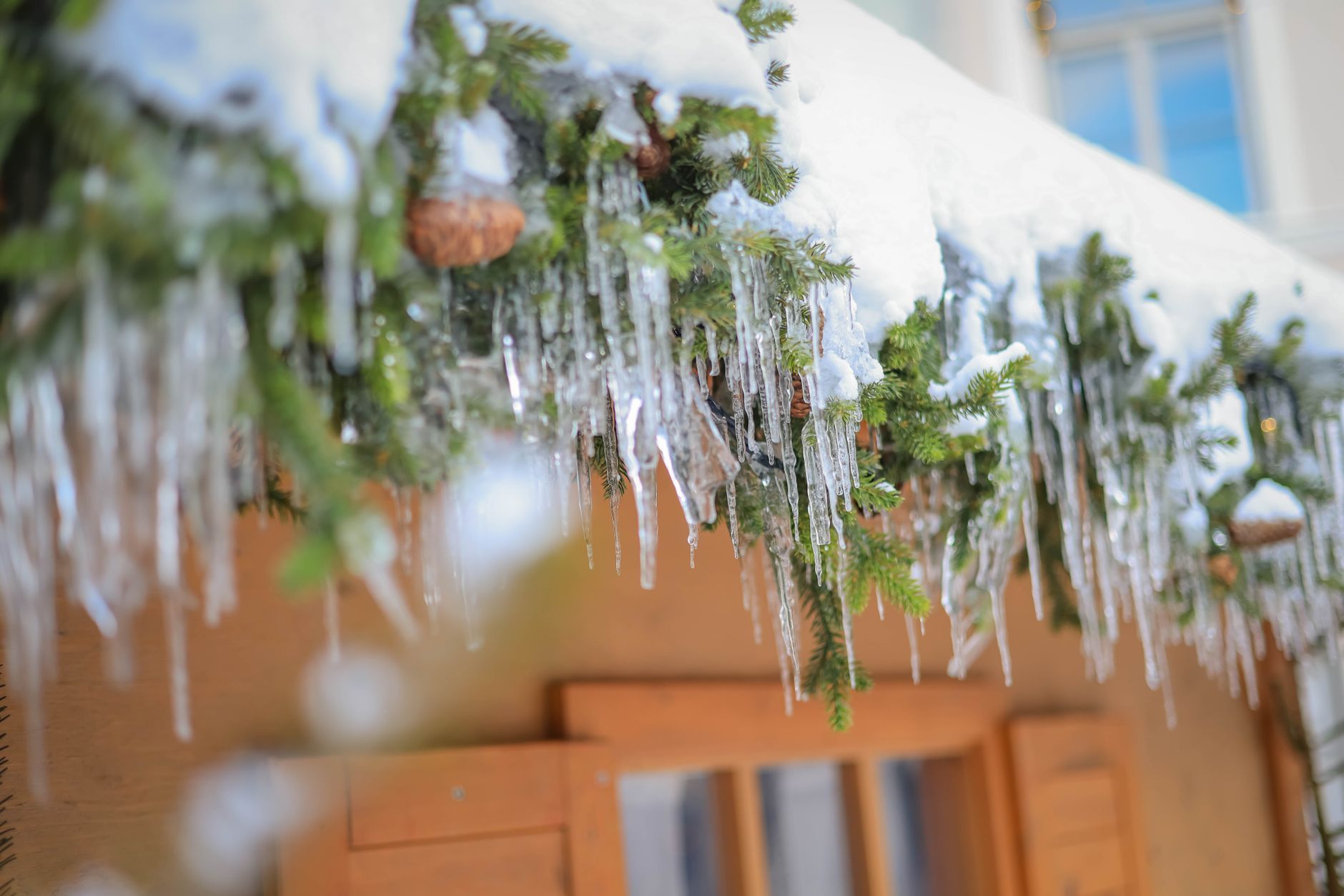
Crafting Illusion: The Science Behind DIY Winter Decor
When we approach decorating for the winter season, we are not merely placing ornaments; we are engaging in a form of sensory manipulation. We aim to replicate the ethereal beauty of frost and fresh snowfall using accessible materials. This process demands an understanding of surface tension, light refraction, and material science. Creating an enchanting ice and snow effect requires controlling how light interacts with various surfaces to simulate a frozen landscape. Our goal is to achieve depth and luminosity, moving beyond simple surface application toward genuine atmospheric illusion.
We observe that the effectiveness of these effects hinges on achieving specific textural contrasts. A flat surface immediately fails to mimic the complex interplay of light found in real ice crystals. Therefore, successful **DIY Winter Decor** necessitates layering and strategic material selection. We move from the base structure up to the delicate finishing touches. This analytical approach ensures the final result feels organic rather than obviously fabricated.
Understanding Light Refraction in Frozen Surfaces
Light behaves differently when passing through water or frozen air. When light strikes ice, it refracts and scatters in complex patterns dependent on the surface’s micro-texture. Smooth, clear ice yields sharp, brilliant reflections, while a frosted, crystalline surface diffuses the light softly. Understanding this mechanism allows us to select materials that mimic these optical properties effectively. We are essentially engineering visual perception.
The goal is to achieve that delicate, sparkling quality we associate with a winter wonderland. This requires incorporating elements that catch and scatter light unevenly across the space. We examine how fine particles suspended in a medium influence light transmission. This principle extends beyond just ice; it applies directly to creating snow drifts using cotton, fine glitter, or specialized acrylic mediums.
Material Selection for Authentic Effects
Selecting the right materials dictates the achievable quality of the illusion. Simple craft supplies often provide the necessary substrate, but their interaction with ambient light is what generates the magic. For simulating snow, we explore techniques involving fine, fibrous materials. Cotton batting or fine polyester stuffing, when strategically placed and lightly dusted, mimic the soft, uneven accumulation characteristic of fresh snowdrifts.
For the ice element, the approach shifts to creating surfaces that reflect light in specific ways. Clear contact paper layered over textured fabric provides an excellent starting point for creating faux window panes or icy surfaces. We must consider how these materials adhere and how they react to temperature fluctuations within a home environment.
Consider the application of textural elements. When working with textiles, we are manipulating how light is absorbed versus reflected across the surface plane. If we introduce soft, matte fabrics into a scene, it grounds the visual experience. This contrasts powerfully against highly reflective elements. We see this principle applied when considering softer aesthetics; for instance, pairing icy themes with **Soft & Airy Palettes: Pastel Colors for Serene Spaces** provides a necessary visual respite from high reflectivity.
Technique Deep Dive: Creating Snowfall Dynamics
Achieving the dynamic quality of falling snow is perhaps the most challenging aspect of this type of decoration. A static layer does not convey motion. We must introduce elements that suggest movement and suspension. This involves layering materials of varying densities. Fine, lightweight materials should be dispersed loosely to simulate drifting flakes.
We can observe that a heavier base provides the necessary anchor for the illusion. Imagine using thin sheets of translucent vellum or sheer fabric as the foundational layer against which the “snow” will rest. Then, introduce fine white flocking or very fine glitter sparingly over this base. The key is controlled distribution; excessive application results in a flat, overwhelming texture rather than delicate drift.
The mechanism here involves achieving micro-variation in surface height and light absorption across the decorated area. Small variations create shadows that imply depth, which tricks the eye into perceiving volume where there was only flat material moments before. This subtle manipulation of shadow is crucial for making the effect feel dimensional.
Integrating Natural Textures and Cozy Elements
The essence of cozy home decoration lies in tactile comfort. The winter wonderland theme benefits immensely from incorporating elements that engage the sense of touch alongside sight. A truly cozy space balances sharp, cool visual effects with inviting warmth. This balance is achieved by integrating soft textiles throughout the design scheme.
When decorating areas like windowsills or mantelpieces, layering materials creates a richer experience. Placing a piece of lightly textured fabric underneath a reflective layer adds an immediate sense of softness to the icy depiction. We see this principle when applying **Textural Touches: Soft Textiles for a Cozy Bathroom Vibe**, where the juxtaposition of smooth surfaces and plush fabrics elevates the perceived comfort level significantly.
The contrast between the hard, crystalline suggestion of ice and the yielding softness of textiles creates an intentional tension. This tension is what makes the overall scene engaging rather than purely decorative. It acknowledges the cozy reality of the indoor space while inviting a fantasy.
Practical Application: Building Your Scene
To execute this **DIY Winter Decor** successfully, planning the layering sequence is paramount. Start with a stable background—perhaps using white or light blue fabric—to establish the cool tone. Next, introduce the reflective elements, such as clear plastic sheeting or lightly frosted acrylics. Once these layers are set, apply the simulated snow using fine batting or flocking. Work slowly here; allow the materials to settle into their intended configuration before applying subsequent layers.
We must account for ambient lighting during the creation process. Observing the decoration under different light sources reveals how effective the chosen materials are. Natural daylight changes the perceived whiteness and reflectivity of the surfaces dramatically. This necessitates testing your setup frequently. The goal is a cohesive visual output that functions optimally regardless of when the room is illuminated.
The resulting effect should feel ephemeral, like a fleeting moment captured in frost. It is not about permanence but about capturing an atmosphere. By focusing on light physics, material interaction, and textural contrast, we shift the activity from simple crafting to applied visual engineering. This yields decorations that possess genuine depth and an enchanting, cozy quality for the entire season.
Tags: DIY Winter Decor, Winter Decorations, Ice Decor, Snow Effects, Home Decor DIY, Seasonal Decor, Crafts
Featured Image by Valeria Boltneva on Pexels.