
Mastering Luminosity: The Science of Creating Atmosphere Through Light
We often associate decoration with textiles and arrangement, yet the most profound shift in spatial perception happens when we manipulate light. Understanding how photons interact with surfaces allows us to move beyond mere illumination and engage in the intentional architecture of mood. This exploration into **lighting for cozy home decor** is not about simply turning lights on; it is about engineering an environment where psychological comfort is directly modulated by visual input. We observe that the quality, direction, and intensity of light dictate whether a room feels energetic or deeply restful.
The Mechanism of Warmth: Color Temperature and Perceived Comfort
The color temperature, measured in Kelvin (K), serves as the fundamental dial for setting an emotional tone within any space. Cooler light—think of crisp, high-Kelvin sources like daylight simulation around 5000K—promotes alertness, which is useful for task-oriented areas like a home office. Conversely, lower Kelvin values introduce warmer tones, simulating candlelight or sunset, which neurologically signals safety and relaxation to the human visual system.
When we implement amber or deep yellow tones, we are engaging specific photoreceptors in the retina that trigger pathways associated with slower heart rates and reduced stress responses. This physiological response is directly linked to the concept of coziness. We see this effect consistently when designing spaces intended for unwinding. For instance, using bulbs in the 2700K to 3000K range shifts the visual environment from analytical to intimate. The intensity, or lumen output, must also be calibrated appropriately; a dim, diffused glow achieves intimacy far more effectively than harsh, bright illumination.
Shadow Play: Sculpting Depth and Intimacy
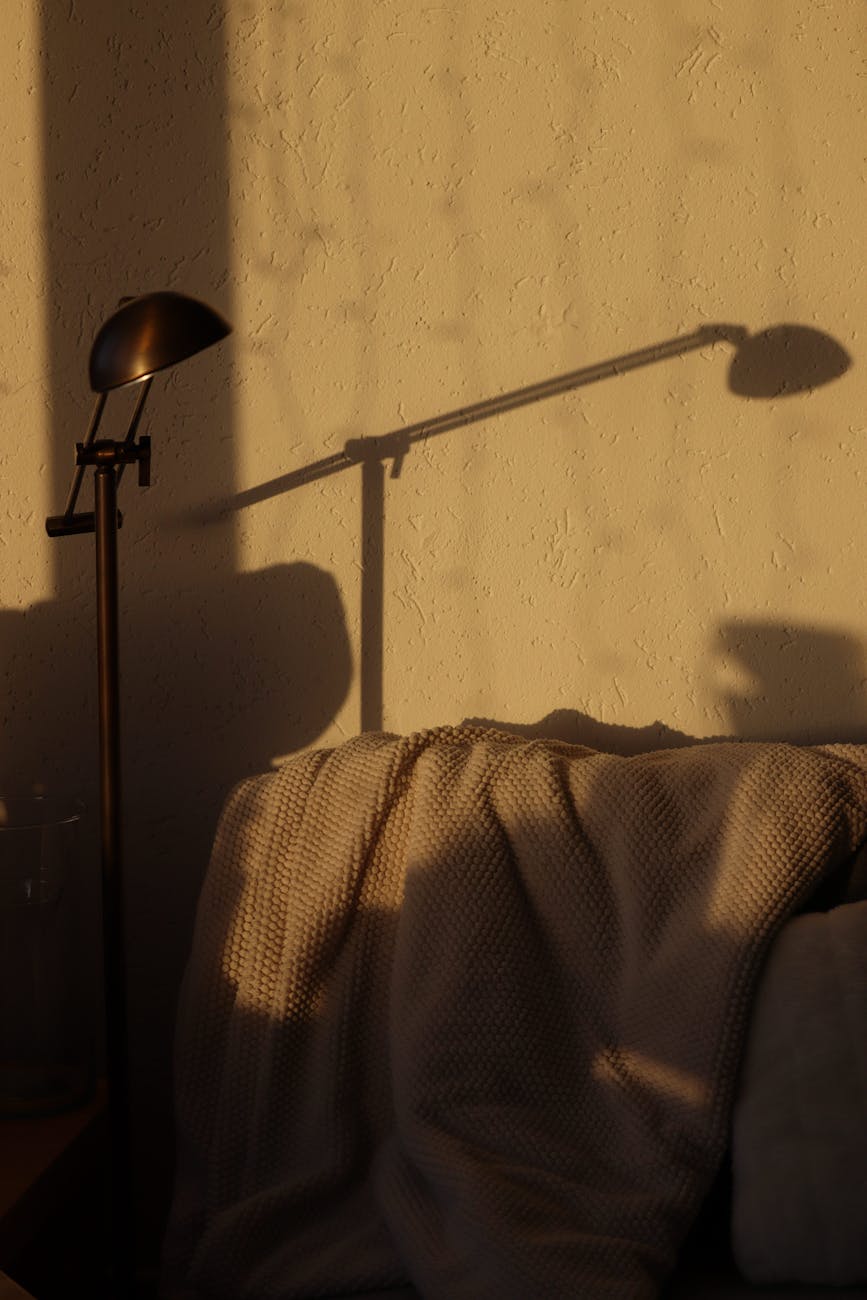
Shadows are not mere absences of light; they are dynamic elements that define volume and introduce visual narrative into a room. Intentional shadow play leverages the interplay between light sources and opaque objects to create high-contrast zones that draw the eye and establish focal points. We are essentially using light as a sculpting tool, carving out areas of mystery and depth where flat illumination fails.
Consider how a single directional lamp casts elongated shadows across a textured wall; this effect immediately introduces a sense of drama and intimacy. This manipulation moves the decor beyond surface aesthetics into experiential design. When light grazes an object, it emphasizes texture—the weave of a blanket, the grain of wood, the unevenness of a decorative object—making tactile qualities visually palpable. This layering of light and shadow creates visual complexity that mimics the layered comfort found in a well-curated retreat.
Layering Illumination for Holistic Comfort
True coziness is achieved not through a single light source but through deliberate layering. A successful lighting scheme incorporates ambient, task, and accent layers, ensuring flexibility for every activity throughout the day. Ambient light sets the baseline mood; it should be soft and enveloping. Task lighting provides necessary functional illumination for specific activities, such as reading or crafting. Accent lighting draws attention to decorative elements, highlighting the textures and features we have established.
We analyze how these layers interact in practice. Imagine a living area where the primary ambient light is provided by indirect cove lighting, bathing the space in a soft, even glow. Then, you introduce a floor lamp with a warm tone for reading—this addresses the task requirement without disrupting the overall ambiance. Finally, small pin lights or strategically placed lamps illuminate art or shelving, adding focal depth. This systematic approach ensures that the light serves multiple functions simultaneously, elevating the experience from merely lit to deeply atmospheric.
Integrating Natural Elements and Light
The connection between interior lighting and the natural world amplifies this effect considerably. Utilizing natural light whenever possible maximizes the visual connection to the outdoors, which inherently reduces feelings of confinement and increases well-being. However, when daylight fades, the quality of artificial light must compensate effectively. We see a strong resonance when incorporating organic materials into the design scheme; wood tones and linen fabrics absorb and reflect light in ways that enhance warmth.
When designing spaces focused on tranquility, the integration of natural botanicals works synergistically with lighting choices. A space designed for serene repose benefits immensely from light that mimics diffused sunlight filtering through leaves. This approach moves the aesthetic goal toward a state of organic harmony. For areas requiring ultimate sanctuary, such as bathrooms, the focus shifts to creating an immersive, spa-like experience. The careful selection of soft, indirect illumination complements the use of natural textures perfectly, transforming a functional space into a retreat. Explore how natural motifs can inform your light choices by reviewing guides on [Spa Bathroom Decor: Create Your Serene Sanctuary](https://decorandliving.com/spa-inspired-bathroom-decor/).
Designing for Retreat: The Bath as an Extension of Comfort
The principle applied in living spaces translates seamlessly into smaller, highly personal sanctuaries, such as the bathroom. A bathroom is fundamentally a place for ritual and self-care; therefore, the lighting must support this intention. Harsh overhead lighting inhibits relaxation. Instead, we deploy low-level, warm light sources that encourage slower, mindful routines.
When designing a spa-like environment, the goal is to eliminate harsh contrasts and embrace soft gradations of illumination. Think about how diffused light washes over stone or wood surfaces, emphasizing their organic textures rather than highlighting imperfections. This intentional softening creates an immediate sense of sanctuary. We find that employing warm color temperatures in these intimate zones signals safety and relaxation directly to the occupant’s subconscious mind. For those seeking this immersive experience, examining design principles for [Spa-Like Bathroom Decor: Natural Botanical Sanctuary](https://decorandliving.com/natural-botanical-bathroom-decor/) reveals how light manipulates perception to achieve profound calm.
Practical Application: Establishing Your Cozy Light Palette
Moving from theory to practice requires establishing a consistent palette of light temperatures and fixture types. We must analyze the function of each area in the home to assign the appropriate luminosity profile. Bedrooms demand deep, warm tones for sleep preparation. Kitchens require bright, neutral light for detailed tasks. Living areas benefit most from tunable, layered illumination that allows occupants to shift the mood as needed.
Experimentation is key here; measure the actual effect on your mood over time. Observe how a 2700K setting feels during an evening reading session compared to a 4000K setting used during daytime work. This empirical feedback refines the aesthetic choices into functional, mood-setting tools. Intentional shadow play becomes an ongoing exercise in spatial choreography, using objects and fixtures not just as décor, but as light modifiers. Mastering **lighting for cozy home decor** is about understanding physics, psychology, and material interaction simultaneously. By controlling the interplay of light, we directly engineer the atmosphere we inhabit, ensuring that every corner of the space contributes to a deeply inviting experience.
Tags: cozy home decor, lighting design, shadow play, living room lighting, mood lighting, home decor tips, interior lighting
Featured Image by Ali on Pexels.