
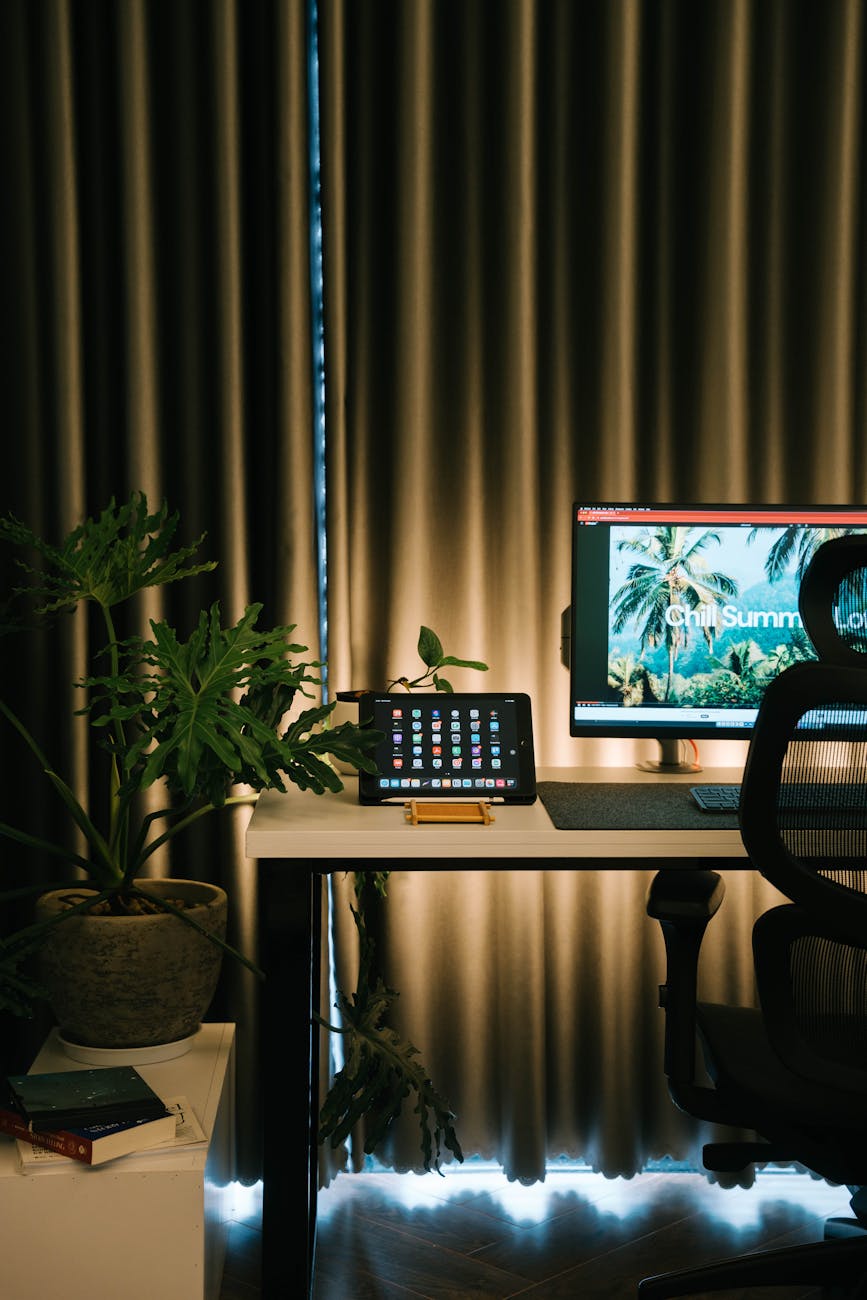
Mastering the Blend: Engineering Your Perfect Cozy Home Office Design
The contemporary demand for remote work has fundamentally shifted the definition of the workspace; it is no longer a mere functional area but a crucial extension of personal life. We observe a growing recognition that peak productivity requires more than just an ergonomic chair and a large monitor. True high-performance workspaces integrate physiological comfort with psychological warmth, creating an environment where cognitive flow is maximized. This necessitates moving beyond purely utilitarian design toward a holistic approach, successfully merging the principles of ergonomics with aesthetic ambiance to achieve the ultimate **cozy home office design**.
The Ergonomic Foundation: Structuring for Physical Performance
Before addressing the aesthetic layer, we must establish the physical parameters. Poor physical alignment introduces chronic tension, which directly impedes sustained focus and increases error rates over extended work periods. We analyze the biomechanics of sitting to determine optimal structural support for the body.
The desk surface height is a critical variable. When positioning the keyboard and mouse at elbow height, we minimize shoulder elevation and forearm strain, allowing muscle groups to operate efficiently without compensatory tension. Adjustable standing desks introduce dynamic control over posture, acknowledging that static positions are inherently inefficient for deep concentration. Our data suggests that alternating between seated and standing postures throughout the workday optimizes metabolic engagement and reduces sedentary-related fatigue significantly.
Seating apparatus demands meticulous calibration. A supportive chair must provide proper lumbar support—the curve of the lower back—to maintain the natural S-shape of the spine. Adjustments to seat depth and armrest positioning dictate how the user interfaces with the desk plane; this relationship must be precise to prevent impingement or unnecessary muscular exertion. Investing in high-quality materials, such as breathable mesh or supportive foam padding, directly impacts thermal regulation and long-term physical comfort.
Cultivating Ambiance: The Psychology of Cozy Spaces
Once the physical infrastructure supports optimal posture, the psychological environment takes precedence in determining creative output. The goal here is to modulate the sensory input to induce a state conducive to deep focus—a condition often associated with *hygge*. This involves controlling light, texture, and olfactory elements to engage the parasympathetic nervous system rather than stimulating the sympathetic stress response.
Lighting plays an indispensable role in this modulation. Harsh, cool-toned fluorescent lighting signals alertness but diminishes relaxation capacity. We favor warm color temperatures, typically ranging between 2700K and 3000K, which mimic natural candlelight or sunset hues, encouraging a sense of calm reflection. Layering light sources is essential; relying on a single overhead fixture creates harsh shadows that fragment the visual field. Introducing ambient lamps, floor lamps, and strategically placed task lighting allows the user to control illumination levels precisely where needed, fostering defined zones within the larger space.
Texture introduces tactile comfort. Hard, cold surfaces create a sterile, impersonal atmosphere. Introducing natural textiles—wool rugs, linen curtains, soft throw blankets—introduces necessary visual and tactile warmth. These elements soften hard architectural lines and signal safety and invitation to linger. For example, selecting a rich, textured rug under the desk anchors the workspace while simultaneously absorbing ambient sound, contributing to acoustic coziness.
Integrating Functionality: Designing for Flow
The successful **cozy home office design** is not about placing furniture randomly; it is about engineering pathways for work and rest that feel intuitive. We must consider how visual clutter impacts cognitive load. A minimalist approach prevents the eye from becoming overwhelmed by extraneous visual data, allowing mental resources to be channeled toward the task at hand.
Storage solutions must be integrated seamlessly. Closed cabinetry and vertical shelving systems manage necessary supplies while hiding visual noise. Open shelving, when used thoughtfully, serves to display curated objects rather than accumulating disparate items; this curation reinforces a sense of intentionality. We observe that incorporating natural wood tones into shelving units instantly introduces an organic element that enhances the cozy factor without sacrificing organizational capacity.
Acoustics are often overlooked in favor of visual appeal, yet sound quality is paramount for concentration. Uncontrolled reverberation creates auditory distraction. Utilizing soft furnishings, thick drapes, and acoustic panels functions as a mechanism to absorb errant sound waves, dampening external noise pollution and creating an insulated bubble for work. This sonic insulation elevates the experience from a mere workspace to a personal sanctuary.
The Sensory Extension: Beyond the Desk
The boundaries between the office and the living space should dissolve when designing for true coziness. A home office does not need to feel like a sterile extension of the kitchen or hallway; it should feel intentionally curated, much like a private retreat. We see this principle applied across the entire dwelling. Consider how sensory experiences can be deliberately layered throughout the environment.
The transition into relaxation areas offers further opportunities for sensory integration. A dedicated reading nook, perhaps featuring soft textiles and warm lighting, serves as an immediate decompression zone after intense work. This intentional separation allows the mind to fully shift modes when leaving the desk area. Similarly, designing a bathroom space with luxurious textures and warm lighting transforms it into a spa sanctuary where rest is prioritized. The careful selection of materials in these ancillary spaces reinforces the overall commitment to creating a restorative atmosphere.
When executing this design strategy, the focus remains on intentionality. Every object introduced must serve either a functional purpose or contribute positively to the psychological state of the occupant. We are constructing an environment where ergonomic efficiency supports deep work, and aesthetic warmth facilitates sustained well-being. This deliberate fusion results in a space that not only boosts productivity but actively supports mental restoration throughout the day.
Tags: home office design, ergonomics, cozy decor, WFH setup, workspace design, home office, interior design
Featured Image by Alpha En on Pexels.