
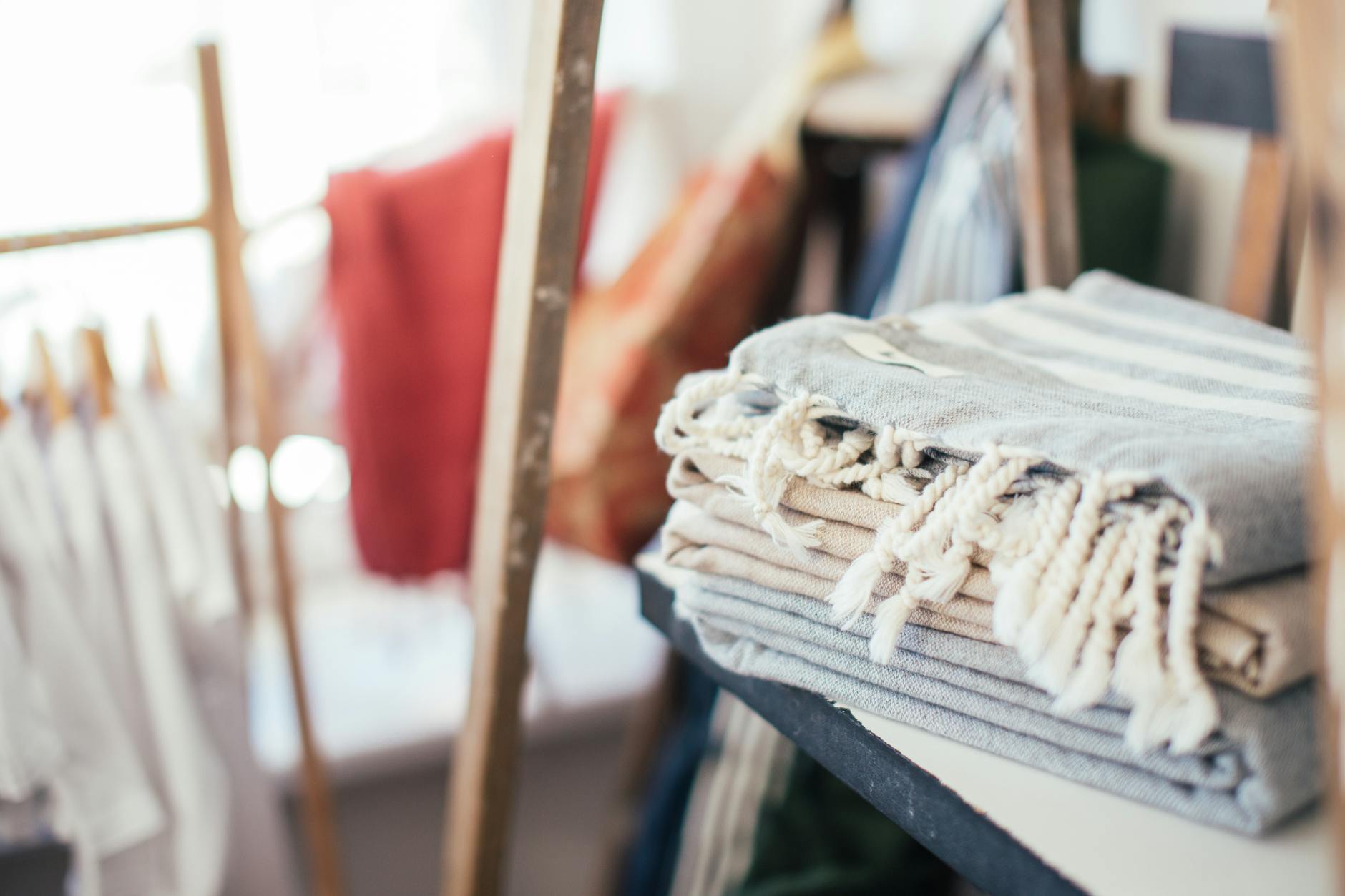
The Physics of Comfort: How Textile Home Decor Manipulates Sensory Input
We interact with our environment constantly, but very few elements possess the immediate, tangible power to recalibrate our internal state as effectively as textiles do. When we discuss **textile home decor**, we are not simply referring to surface aesthetics; we are engaging in a form of sensory engineering. Fabrics influence temperature perception, modulate tactile engagement, and absorb or reflect ambient light, creating an atmospheric field that directly impacts psychological well-being. We observe from the data that the selection of materials dictates the perceived coziness of a space, transforming mere rooms into sanctuaries.
The mechanism at play here involves the skin’s sensory receptors. Touch is a primary channel through which our brain processes environmental information about safety and comfort. Rougher, coarser weaves engage tactile receptors differently than soft, fine fibers. This differential engagement allows textiles to act as immediate regulators of physiological responses. A heavy wool throw, for example, signals warmth and security through physical weight and thermal retention. Conversely, a sheer linen drape introduces an ephemeral quality that invites visual softness without demanding the same level of physical enclosure.
Thermal Regulation and Material Science
The function of a textile in a living space begins with its interaction with thermal dynamics. Fabrics dictate the rate at which heat is exchanged between the body and the surrounding air. Materials vary significantly in their thermal conductivity; fibers like wool and cashmere possess excellent thermal insulation properties due to their loftiness and the trapped air pockets within their molecular structure. This trapped air acts as an insulating medium, slowing down conductive heat loss from the body.
When designing a cozy space, we must consider this transfer efficiency. Thick, densely woven materials minimize convective heat loss, creating microclimates of warmth even when ambient temperatures fluctuate. Conversely, materials with high surface-area-to-volume ratios, like thin cottons or silks, offer less insulating capacity but excel at modulating light and visual softness. Understanding these physical properties allows us to intentionally curate thermal comfort within our interiors, moving beyond simple aesthetic choices toward functional design.
Tactile Experience: The Psychology of Touch
Beyond temperature control, the way a fabric feels is a profound psychological experience. This tactile feedback directly engages the parasympathetic nervous system, promoting a state of relaxation. We notice this effect constantly; sinking into a velvet sofa or running our hands over chunky knit wool triggers an innate sense of calm that transcends mere visual appeal. This phenomenon suggests that sensory input from textiles bypasses purely cognitive processing and feeds directly into emotional regulation centers in the brain.
Consider the texture itself. A tightly woven tweed offers a structured, grounding sensation, suitable for a more formal yet enveloping setting. Contrast this with the chaotic, inviting texture of a bouclé or a deeply brushed alpaca blend, which invites tactile exploration and immediate comfort. The choice of weave—whether it is a smooth sateen or a slubby linen—determines the subtle rhythm we perceive in the space. This nuanced interaction proves that textiles are not passive coverings; they are active participants in shaping our emotional landscape.
Weaving Atmosphere: Color, Light, and Visual Depth
The visual component of **textile home decor** works in tandem with the tactile experience to construct the overall mood. Color theory interacts directly with the light filtering through the chosen fabrics. Darker, saturated hues absorb more light, lending a sense of intimacy and depth, while lighter, airy tones reflect ambient light, making spaces feel expansive and open. This interplay between light absorption and reflection is crucial for setting the correct emotional tone.
We observe that monochromatic palettes in textiles often create a powerful visual resting point, allowing the texture itself—the weave, the pile, the drape—to become the primary source of visual interest. When working with neutrals, the textural variation becomes amplified. This allows the complexity of the material to communicate the depth of the decor, rather than relying on high-contrast patterns for impact.
Light Modulation and Visual Depth
The way light interacts with different fibers creates dynamic shadows and highlights across the room. A heavy velvet curtain absorbs the harshness of direct sunlight, diffusing it into a soft, ambient glow. This controlled diffusion eliminates visual stressors and enhances the sense of enclosure, pulling focus inward toward the space. In practice, managing light quality through textiles is an exercise in atmospheric control; we manipulate shadows to invite introspection.
When introducing pattern, the scale matters significantly. Large-scale patterns woven into a rug or a large throw blanket establish a dominant visual anchor, grounding the space with intentionality. Smaller, intricate patterns introduce visual complexity, encouraging the eye to linger on the surface details. This deliberate manipulation of visual density helps define zones within an open-plan area, effectively segmenting space without requiring physical barriers.
Pattern Play: From Chaos to Cohesion
Patterns offer a pathway for introducing visual energy into a space. The choice of pattern directly influences the perceived energy level of the room. Geometric patterns introduce structure and order, which can be grounding when paired with heavier, more solid fabrics. Organic, flowing patterns, such as botanical motifs or abstract swirls, introduce movement and softness, enhancing an airy, relaxed feeling.
We see a clear correlation between pattern complexity and visual engagement time. Highly complex patterns demand closer inspection, encouraging a slower, more mindful observation of the decor. Simple stripes or solids allow the textural quality of the material to dominate the experience. This balance is key: using patterns strategically ensures that the textile remains an active element rather than just background decoration.
Selecting Materials for Specific Environments
The application of textiles must be contextualized by the function and environment of the space. A fabric suitable for a sun-drenched living room will perform differently in a dimly lit reading nook or a highly functional bathroom setting. We need to match material properties to environmental demands.
Bathrooms: Prioritizing Durability and Sensory Softness
Bathrooms present unique challenges because they involve moisture and high utility, necessitating materials that manage humidity effectively while still offering sensory appeal. While plush fabrics are desirable, the underlying structure must withstand frequent cleaning cycles. We look for materials with high-quality synthetic blends or tightly woven natural fibers that resist mildew and absorb moisture minimally when damp.
For areas like a Hygge Bathroom Reading Nook, where coziness is paramount, we can layer softer textiles over durable, water-resistant bases. The visual softness provided by a thick, textural bath mat or robe enhances the experience of relaxation without compromising hygiene standards. Focusing on high-quality, tightly woven cotton blends provides the necessary structure while still delivering that desired tactile invitation.
Bedrooms and Living Spaces: Maximizing Immersion
In sleeping and lounging areas, the objective shifts toward maximizing immersion and restorative rest. Here, thermal regulation becomes a primary concern alongside sensory comfort. Heavy duvets made of high-loft materials provide superior insulation against ambient coolness, creating an enveloping cocoon that signals safety to the nervous system. We find that layering textures—a smooth sheet beneath a chunky knit throw—creates visual depth while providing multi-layered thermal security.
For larger spaces, floor coverings act as anchors for the entire design scheme. A thick area rug made of wool or a dense weave not only provides insulation from cold floors but also defines the zone of comfort. This foundational layer dictates how the rest of the textile elements interact with the physical space. We observe that investing in quality textiles here yields dividends in long-term environmental and psychological satisfaction.
The Analytical Takeaway: Intentional Sensory Design
Ultimately, understanding **textile home decor** requires shifting the perspective from decoration to sensory architecture. Every fabric choice is a deliberate decision about thermal exchange, tactile engagement, and visual narrative. We are not simply decorating walls; we are programming the sensory experience of the inhabitant. When selecting materials, one must analyze their physical properties—their weave density, fiber content, and light reflectivity—in relation to the intended function of the room.
The most effective approach involves integrating these principles across the entire design scheme. A space achieves true coziness when the visual softness complements the thermal regulation, and the tactile experience reinforces the sense of security. This intentional alignment moves decor beyond fleeting trends into functional, deeply comfortable living environments. We move toward creating spaces where the physical materials actively contribute to a state of profound, sustained well-being.
Tags: textile home decor, fabric comfort, home textiles, cozy decor, material science, textile design, interior comfort
Featured Image by Rachel Claire on Pexels.