
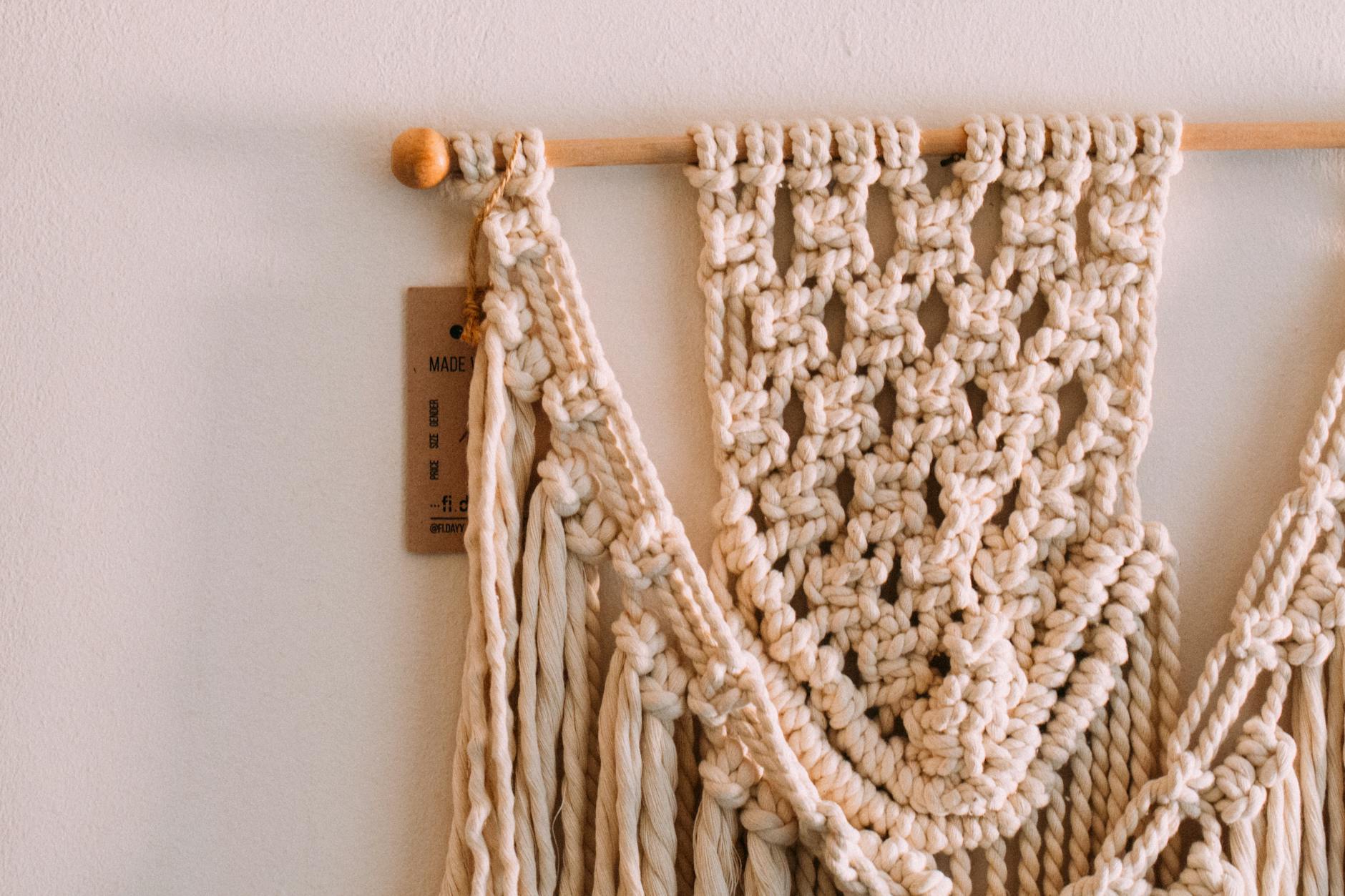
Deconstructing the Art of Macrame: Mastering the Technique for Authentic Boho Texture
The desire to infuse a space with organic texture is a persistent trend in interior design, especially when cultivating a bohemian aesthetic. We observe that textiles introduce a necessary softness and visual depth that polished surfaces often lack. Crafting macrame wall hangings serves as a perfect medium for achieving this effect because the process inherently involves manipulating fiber tension and knotting patterns to generate complex three-dimensional effects. This is not merely about making a craft; it is about understanding textile mechanics and translating those physical principles into decorative outcomes.
When we approach **macrame wall hanging DIY**, we are engaging with a specific set of material science and structural considerations. The success of the final piece hinges on the tension applied to the cord, the choice of fiber, and the mathematical consistency of the knot sequence executed by the artisan. A poorly managed tension results in sagging or uneven density, which immediately detracts from the intended cozy atmosphere we are aiming for. We must analyze how these variables interact to produce the desired visual texture.
Understanding the Anatomy of Macrame Knots
The fundamental building blocks of macrame lie within the specific knots themselves. Each knot functions as a structural unit, determining how the fibers interact and support the overall composition. For instance, the square knot provides foundational stability; it acts as an excellent anchor point for subsequent elements. Conversely, variations in knotting density directly influence the perceived texture. Denser packing of knots creates a solid, opaque surface, while looser spacing allows air to pass through, generating those delicate shadows and highlights that define true boho ambiance.
We see this principle applied across various techniques. Understanding how the cord wraps around itself dictates the final drape. Experimenting with different knot types—like the spiral or the half-hitch—allows for precise control over the resulting visual flow. This hands-on experimentation bridges the gap between theoretical knowledge and practical application, which is essential when you are attempting a **DIY** project.
Selecting Materials for Optimal Texture
The raw materials dictate the final tactile experience of the wall hanging. The type of cord used has a profound effect on durability and aesthetic outcome. Cotton rope is the traditional choice because its natural texture complements the handmade quality perfectly, offering a soft hand-feel that aligns with cozy decor principles. Synthetic fibers offer increased resilience but often lack the organic warmth that defines true boho style.
We must consider the gauge of the cord as well. Thicker cords create bolder lines and more pronounced shadow play, suitable for larger, statement pieces. Finer gauges permit intricate detailing and delicate textural variations across smaller areas. When planning a piece, we analyze how the chosen material will interact with the wall surface; heavier materials require more robust anchoring points to manage their weight effectively. This consideration extends beyond the hanging itself; it relates to the overall material palette of the room, perhaps complementing rustic elements found in spaces like those utilizing Rustic Bathroom Decor: Natural Wood & Stone Accents.
Step-by-Step Execution: Achieving Flow and Balance
Creating a visually pleasing **macrame wall hanging DIY** requires methodical execution rather than random knotting. We observe that establishing a consistent starting point is crucial for maintaining symmetry across the entire piece. Begin by calculating the required length of cord based on your desired dimensions; this preemptive measurement prevents frustrating mid-project adjustments.
The initial setup involves anchoring the cords securely to the dowel or frame. Observe how the way you distribute the tension determines the subsequent pattern. If the initial pull is uneven, the resulting textile will exhibit distortion, which we must actively correct. Focus on maintaining even spacing between each row of knots. This meticulous alignment creates the illusion of effortless, organic flow across the surface.
As you move into the knotting phase, focus on rhythmic repetition. The visual appeal of macrame stems from this repetitive motion. We are not simply tying individual knots; we are weaving a textile structure through intentional pattern placement. Think about how the negative space between the knots contributes as much to the design as the knots themselves. This interplay between filled and empty space is what generates the rich, layered texture characteristic of bohemian design.
Scaling Up: From Small Accents to Statement Pieces
The complexity of macrame allows for incredible scalability. A small piece can serve as an accent, adding a touch of handcrafted warmth above a sofa or in a bedroom setting. Larger pieces demand greater attention to structural integrity and material volume. When scaling up, the mechanical challenges increase exponentially; the forces exerted by the weight of the cord become more significant factors in the design equation.
For larger installations, consider the mounting method closely. The anchor points must be strong enough to bear the distributed load without pulling away from the wall structure over time. This moves the project from a purely decorative exercise into a practical engineering task. We analyze the physics: how does gravity interact with the tension of the rope to determine the final drape? Understanding this allows the crafter to anticipate potential failures and design robust support systems.
Integrating Macrame into Interior Ecosystems
The impact of a macrame piece is magnified by its context within the room. It functions as a focal point, drawing the eye and introducing an element of handcrafted authenticity that contrasts beautifully with minimalist or highly structured architectural lines. This contrast is a key mechanism in achieving the cozy aesthetic we seek. Imagine pairing a heavily textured hanging with smooth, cool surfaces; this juxtaposition enhances the tactile experience for the occupant.
When integrating these textiles, think about layering. A beautiful macrame piece can anchor a space, while other elements—like soft rugs or layered throw blankets—provide supplementary sensory comfort. This approach reinforces the overall goal: creating an environment that feels intentionally curated and deeply comfortable. If you are focusing on creating a sanctuary within your home, consider how textiles contribute to that enveloping feeling, perhaps by pairing them with items designed for relaxation, such as those found when designing cozy reading nooks for your bedroom.
The Psychological Effect of Handcrafted Texture
Beyond the visual appeal, there is a psychological dimension to incorporating handmade items. There is an inherent value assigned to objects created through manual labor. This perceived authenticity fosters a sense of connection and warmth within the dwelling. When occupants interact with a wall hanging made by hand, they register a narrative—the time, effort, and personal touch embedded in the creation process.
This feeling of engagement enhances the perception of coziness significantly. It shifts the focus from purely functional decoration to experiential living. The texture itself invites touch; it offers a tangible link back to organic processes. We see this effect playing out when we consider how natural textures influence mood; they reduce visual harshness and introduce an element of softness that calms the visual field.
Mastering **macrame wall hanging DIY** is thus a synthesis of art, physics, and material selection. It requires precision in execution, an understanding of fiber mechanics, and an appreciation for the psychological impact of texture on our environment. By treating the process analytically—by dissecting tension, density, and flow—you transition from simply following instructions to becoming the architect of your own tactile, bohemian sanctuary.
Tags: macrame, diy decor, boho home, wall art, fiber art, crafting, macrame tutorial
Featured Image by Maria Tyutina on Pexels.